
Nikko Toshogu Shrine 2026 Guide: Access, Tickets & Must-See Highlights
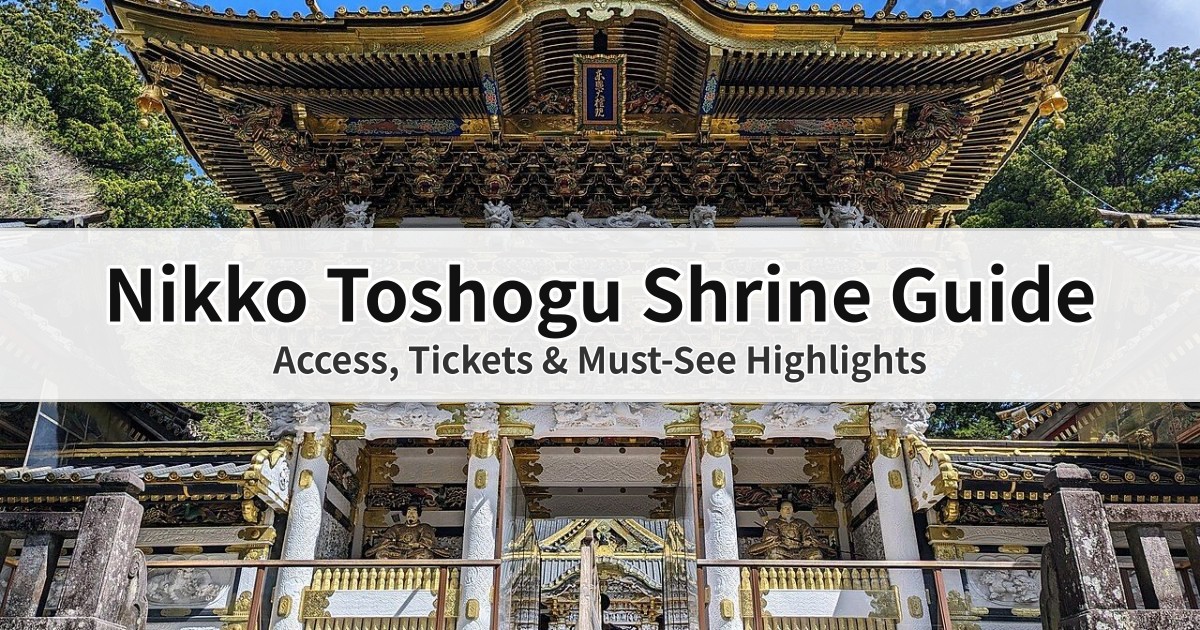
When it comes to historical world heritage sites near Tokyo, Nikko Toshogu Shrine in Tochigi Prefecture is an absolute must-visit for anyone traveling to Japan. Built in the 17th century, this lavish shrine complex serves as the grand mausoleum for Tokugawa Ieyasu, the founder of the Tokugawa Shogunate, and is world-famous for its dazzling wood carvings and striking integration with nature. Understanding transport connections, ticket options, and visiting rhythms beforehand will ensure your cultural pilgrimage to nikko toshogu shrine is smooth and stress-free!
* Some links in this article are affiliate links. If you purchase through them, we may earn a small commission at no extra cost to you. Thank you for your support!
Nikko Toshogu Shrine: A UNESCO World Heritage Masterpiece
Historical Background & Architectural Style
As the centerpiece of the Nikko mountain sanctuary, Nikko Toshogu Shrine perfectly reflects the fusion of early Edo period political power and master craftsmanship. Unlike the subdued, rustic aesthetic found in many traditional Japanese shrines, this complex bursts with brilliant colors, elaborate woodwork, and glittering gold leaf. Tokugawa Ieyasu requested to be enshrined in Nikko upon his passing, and his grandson, Tokugawa Ieyasu, expanded the site into the magnificent scale seen today during the mid-17th century. Set against towering cedar trees, the shrine grounds exude a solemn, sacred atmosphere.
Vast Grounds: Yomeimon Gate, Karamon Gate, and Main Hall
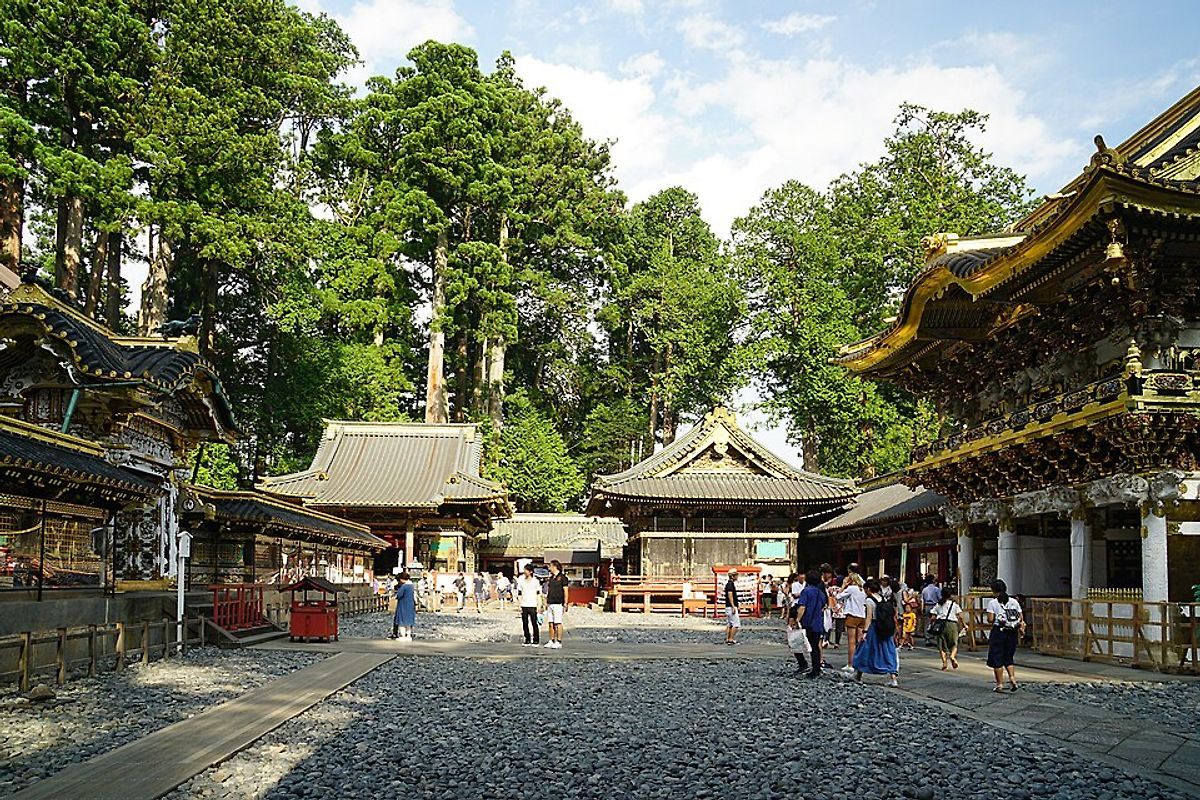
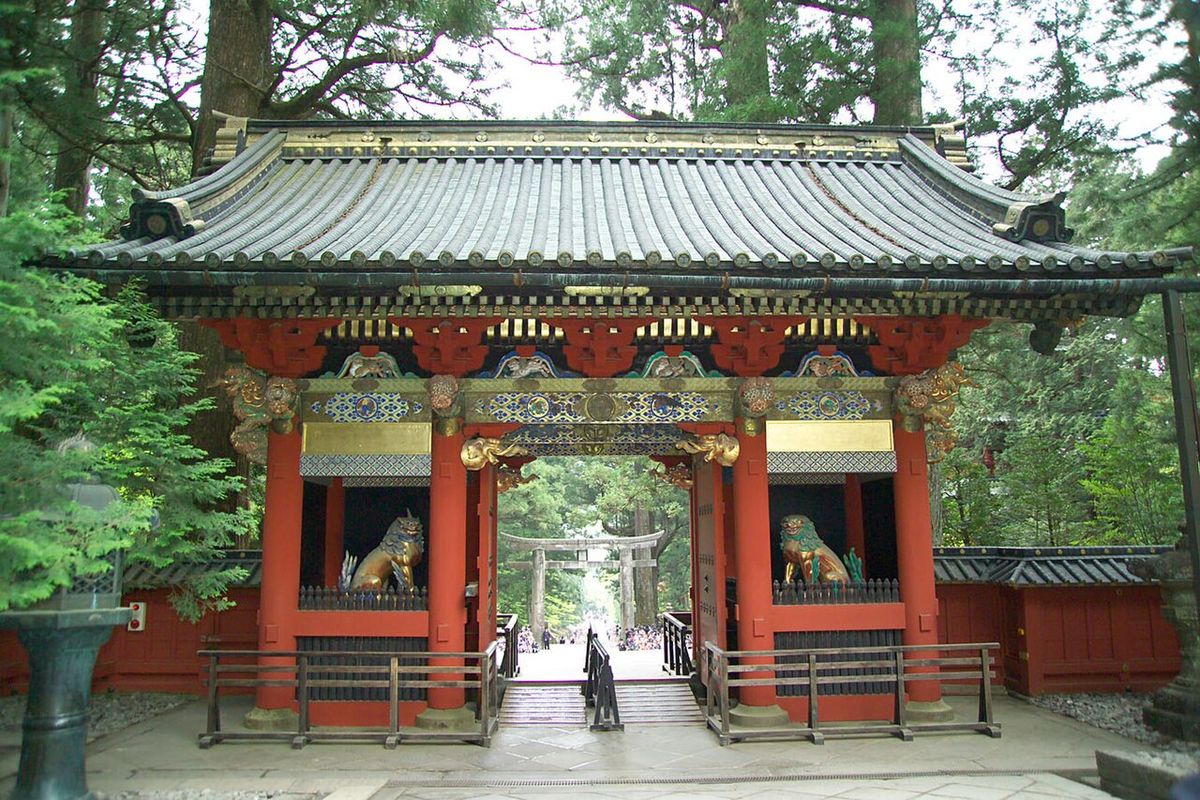
The shrine complex covers expansive grounds, housing dozens of important structures including the Sacred Stable, the Three Sacred Storehouses, Yomeimon Gate, Karamon Gate, the Main Hall, and the Sakashimamon Gate leading to the Okusha. With so many intricate details, rushing through means missing the magic, yet examining every corner requires considerable stamina. Prioritizing core highlights and matching your pace to your travel companions will help you strike the right balance between depth and comfort.
Is Nikko Toshogu Shrine Worth Visiting?
Interest / Time | Verdict | Suggested Strategy | Key Note |
History & Art Enthusiasts | Highly Recommended | Reserve at least half a day, combining it with Futarasan Shrine and Rinno-ji Temple to admire the wood carvings | Weekends draw massive crowds; aim to arrive right at opening time |
First-Time Visitors to Tokyo | Classic Must-See | Take the direct Tobu Limited Express combined with the World Heritage Meguri Bus for seamless sightseeing | Factor in a roughly 2-hour one-way travel time; check train timetables in advance |
Traveling with Seniors or Children | Suitable with a Slower Pace | Use the shuttle bus to minimize uphill walking; focus on the Three Wise Monkeys, Yomeimon Gate, and Sleeping Cat before turning back | Grounds feature stone steps and slopes; strollers are tricky, so supportive walking shoes are essential |
Rainy or Overcast Weather | Still Worth Visiting | Most major structures offer overhanging eaves for shelter, though outdoor stone steps become slippery | Mountain weather changes quickly; bring rain gear and warm layers |
If you are planning your trip to Nikko Toshogu Shrine, you may also want to check out this practical Nikko attractions guide for extra travel inspiration.
- ■ First-time visitors: Head straight to the core Yomeimon Gate and Three Wise Monkeys to catch the top highlights without getting lost.
- ■ Travelers with limited stamina: Utilize the World Heritage Meguri Bus to reduce the burden of walking uphill.
- ■ Food lovers: Walk directly to the surrounding neighborhood after your visit to enjoy yuba dishes and handmade puddings as highlighted in our local food section.
Transportation Guide: Getting from Tokyo to Nikko Toshogu Shrine
Travel Context | Route | Tickets & Travel Time | Luggage & Transfer Notes |
Departing from Asakusa (Fastest & Most Convenient) | Tobu Railway Limited Express (such as 'Spacia X' or 'Kegon') direct to Tobu-Nikko Station | Approx. 2 hours; limited express tickets must be booked in advance | Large luggage can be stored in designated train car areas; transfer to local bus upon arrival |
Departing from Shinjuku (Direct Limited Express) | JR/Tobu Direct Limited Express (such as the 'Nikko' train) direct to Tobu-Nikko Station | Approx. 2 hours 10 minutes; fewer daily departures so timing is crucial | Saves the hassle of transferring at Akihabara or Asakusa; ideal for travelers staying in Shinjuku |
Transferring from Station to Attractions | Board the 'World Heritage Meguri Bus' from Tobu-Nikko Station and get off at 'Omotesando' | Approx. 10–15 minutes; frequent departures | Buses get crowded on weekends; queue up early |
- ■ Peak train tips: Popular departure times for Tobu Limited Express (such as weekend mornings) book out fast; reserve tickets online or via the official website in advance.
- ■ Walking from the station: Walking from Tobu-Nikko Station to the shrine takes about 30–40 minutes entirely uphill; taking the World Heritage Meguri Bus is strongly recommended to save energy.
- ■ Luggage storage: Coin lockers are available near the station and bus stops, allowing you to hike up light.
Japan Around Tokyo Travel Tickets · Latest Deals✨
Nikko Toshogu Shrine: Tickets, Booking & Opening Hours
Ticketing Channels & Best Fit
Booking Method | Advantages | Best For |
On-Site Ticketing (Cash / Select IC Cards) | High flexibility, buy upon arrival | Spontaneous travelers with flexible schedules |
Saves time waiting in line on-site | Efficiency-focused independent travelers wanting fast-track entry |
Visitor Information: Pricing, Address & Hours
- Address: 2301 Sannai, Nikko, Tochigi 321-1431, Japan ()
- Opening Hours: 9:00 AM – 4:00 PM (Ticket sales usually stop shortly before closing; early arrival is recommended)
- Admission Fees: Adults (high school students and above) 1,600 yen; elementary and junior high school students 550 yen.
- ■ Booking advice: Individual visitors can purchase tickets directly on-site, but during autumn foliage peaks or long weekends, booking online saves valuable queuing time.
- ■ Time management: A standalone visit to the core areas takes about 1.5 to 2 hours; adding nearby Futarasan Shrine requires budgeting 4 hours or more.
Japan Around Tokyo Travel Tickets · Latest Deals✨
Nikko Toshogu Shrine: Recommended Half-Day Itinerary
Classic World Heritage Half-Day Route
Sequence / Time | Stop | Suggested Duration | Connection & Tips |
9:00 AM | Take the World Heritage Meguri Bus to Omotesando Stop | Approx. 10 mins | Walk up the stone-paved approach and breathe in the fresh mountain air |
9:15 AM | Nikko Toshogu Shrine (Stone Torii Gate, Five-Story Pagoda, Three Wise Monkeys) | Approx. 45 mins | Fewer crowds early in the morning; take your time examining the monkey carvings and architecture |
10:00 AM | Approx. 40 mins | The most ornate zone in the complex; slow down to appreciate the fine carvings | |
10:40 AM | Pass through Sakashimamon Gate to find the Sleeping Cat, then visit Okusha Pagoda | Approx. 30 mins | Climbing to the Okusha requires over 200 stone steps; pace yourself |
11:30 AM | Visit Nikko Futarasan Shrine or relax with refreshments at Hongu Cafe | Approx. 1 hour | Unwind with matcha and sweets at a historic neighborhood cafe after sightseeing |
- ■ Early bird advantage: Entering right when doors open at 9:00 AM helps you bypass afternoon tour groups, ensuring the best photography and sightseeing quality.
- ■ Energy pacing: Climbing the Okusha steps is tiring; reward yourself with a break at a tea house along the approach.
- ■ Extending your day: Spend your afternoon visiting Kegon Falls or Lake Chuzenji, or head back to Omotesando to sample local treats.
Nikko Toshogu Shrine: Top 7 Must-See Highlights & Architectural Details
The Three Wise Monkeys at the Sacred Stable (Hear No Evil, Speak No Evil, See No Evil)
⏳ Suggested Duration: Approx. 15 minutes
📍 Location: Left outer wall shortly after passing the stone torii gate
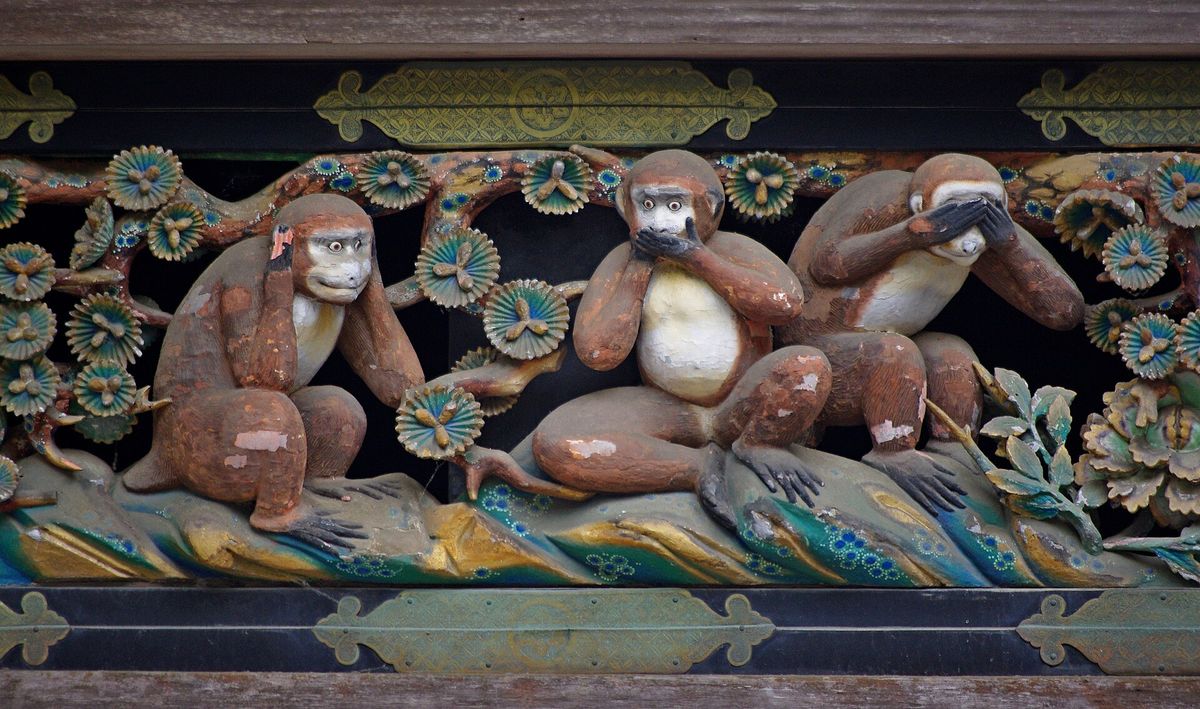
The Sacred Stable houses sacred horses and features eight lively monkey relief carvings along its exterior wall, most famously depicting the 'hear no evil, speak no evil, see no evil' trio. This humorous yet profound artwork conveys ancient philosophical teachings, making it Japan's most famous monkey carving and an essential photo spot.
✨ Key Highlights
- ■ Eight panels vividly depict the lifecycle of monkeys from birth to maturity, symbolizing human life.
- ■ The famous three monkeys display expressive faces that delight visitors.
- ■ Cloud and plant motifs surrounding the carvings showcase top-tier Edo craftsmanship.
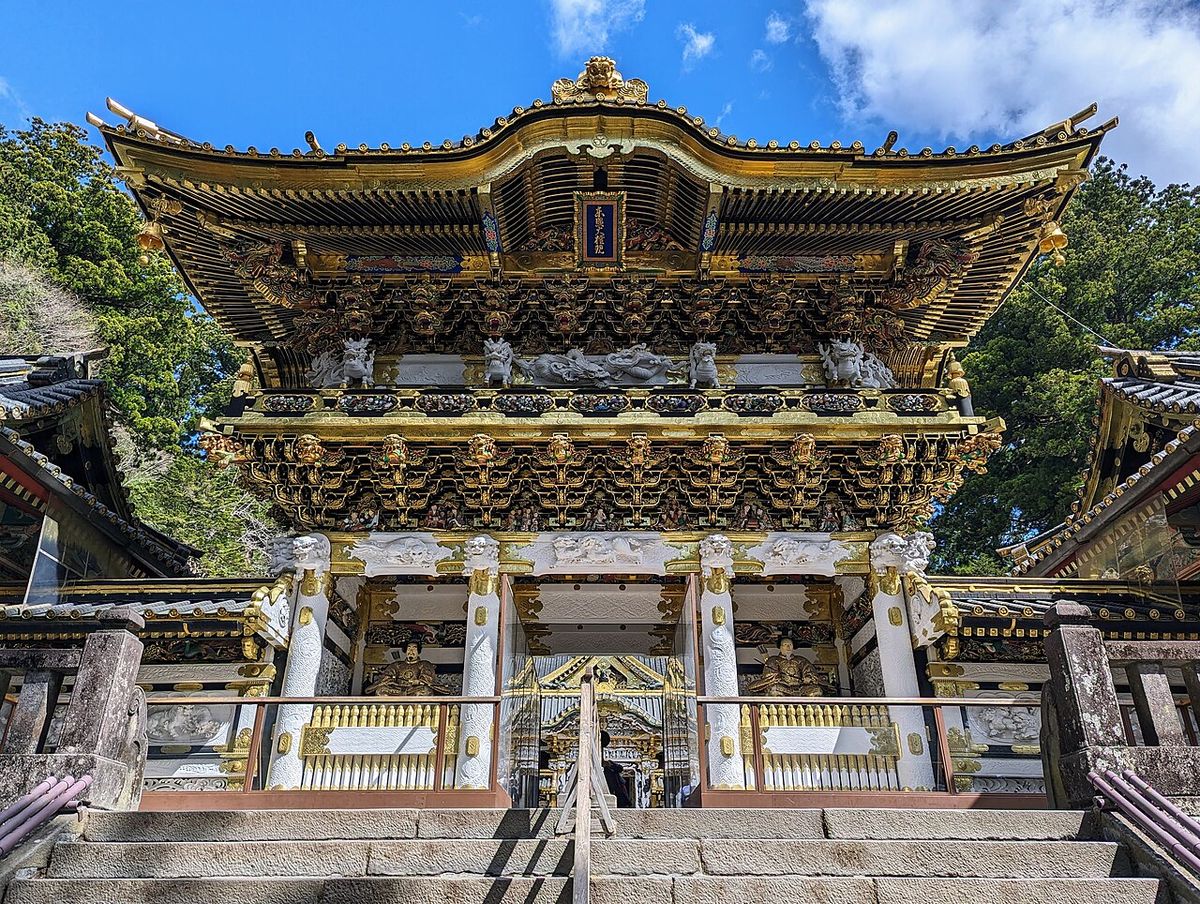
Yomeimon Gate (Twilight Gate)
⏳ Suggested Duration: Approx. 20 minutes
📍 Location: Center of the main plaza in front of the Inner Shrine
Nicknamed the 'Twilight Gate' (meaning it is so dazzling you could gaze at it until sunset without tiring), Yomeimon is decorated with over 500 intricate wood carvings depicting Chinese legends, immortals, mythical beasts, and flora, all highlighted with gold leaf and vibrant pigments. It represents the pinnacle of Japanese architectural art.
✨ Key Highlights
- ■ Pillar carvings feature an intentional 'inverted pillar' design (magoke-bashira) to keep the structure perpetually 'unfinished' and ward off disaster.
- ■ Dense gold leaf and colorful paintings shimmer magnificently in the sunlight.
- ■ Searching for various mythical creatures across the gate is a captivating experience.
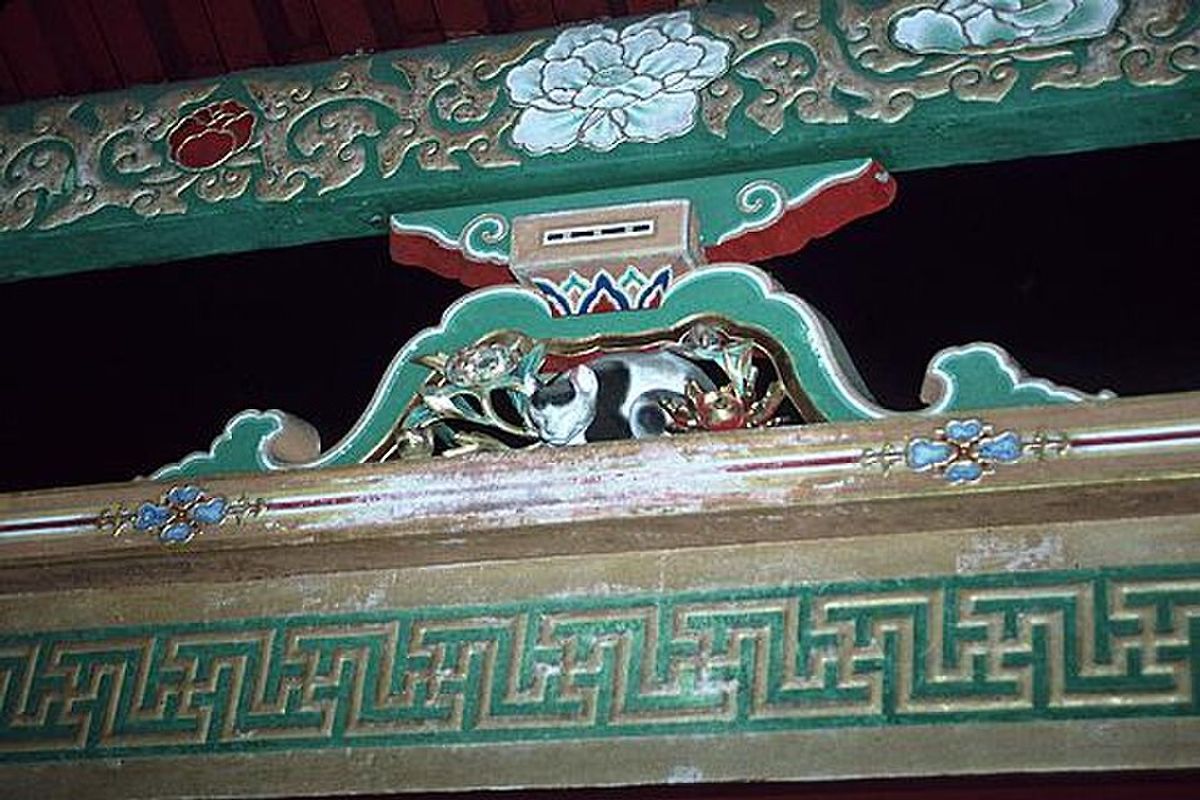
Sleeping Cat (Nemuneko)
⏳ Suggested Duration: Approx. 10 minutes
📍 Location: Above the corridor entrance leading from Sakashimamon to Okusha
This small, peacefully napping white cat perched above a gate pillar is one of Nikko Toshogu's iconic mascots. Though petite, the carving is remarkably lifelike. Legend says the cat symbolizes a peaceful era where even felines sleep undisturbed, with some interpretations noting hidden sparrow carvings behind it denoting peaceful coexistence.
✨ Key Highlights
- ■ Masterful shading and fur detailing make the cat look ready to wake up from certain angles.
- ■ Situated right on the path to Okusha, drawing crowds waiting to snap a photo.
- ■ Surrounded by additional carvings symbolizing peace and prosperity.
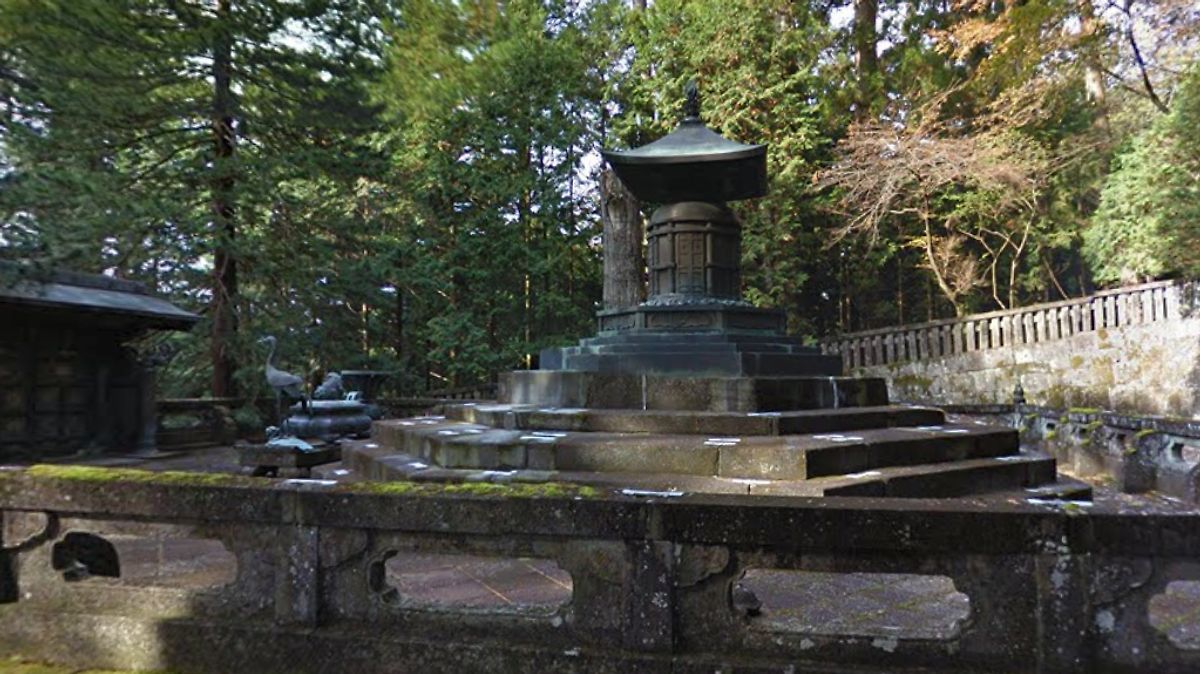
Okusha Pagoda (The Final Resting Place of Tokugawa Ieyasu)
⏳ Suggested Duration: Approx. 20 minutes
📍 Location: Atop 200+ stone steps past the Sleeping Cat gate
Okusha is the sacred final resting place of Tokugawa Ieyasu. Past the Sleeping Cat and Sakashimamon gate, visitors climb stone steps carved from single massive blocks of stone. Surrounded by ancient cedar trees, the summit offers a serene, solemn atmosphere distinct from the ostentatious shrines below.
✨ Key Highlights
- ■ The bronze pagoda is solemn and majestic, housing the remains of Tokugawa Ieyasu.
- ■ Towering ancient trees and mossy stone lanterns line the approach, creating a mystical atmosphere.
- ■ The climb demands effort, but rewards hikers with crisp mountain air and panoramic peace.
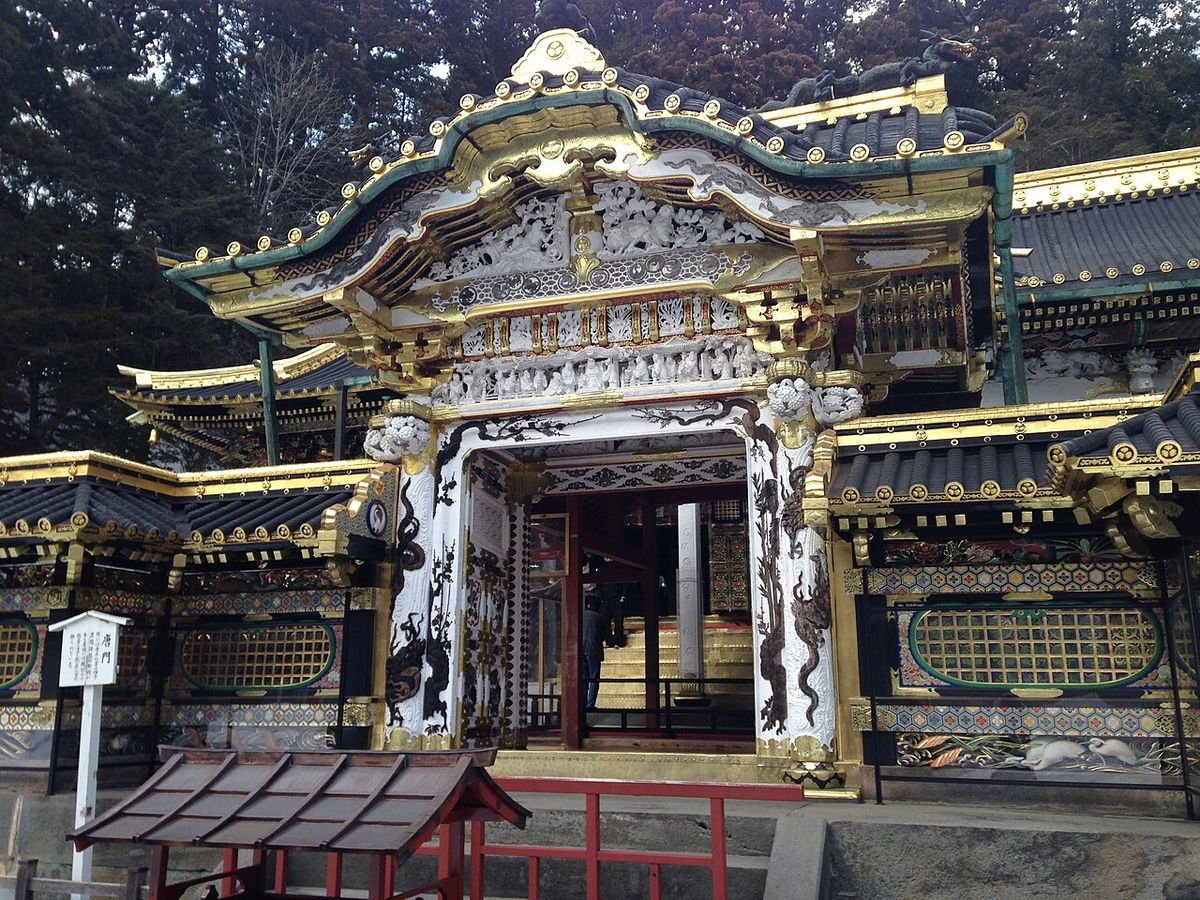
Karamon Gate and Main Hall
⏳ Suggested Duration: Approx. 20 minutes
📍 Location: Core worship zone directly behind Yomeimon
Finished in pure white shell-lime plaster with intricate Chinese-style carvings, Karamon Gate provides a refined contrast to the surrounding golden architecture. Behind it lies the Main Hall (Gohonden), combining the worship hall, stone chamber, and main sanctuary into the holiest space dedicated to Tokugawa Ieyasu.
✨ Key Highlights
- ■ Pure white Karamon carvings offer an understated elegance distinct from gold leaf.
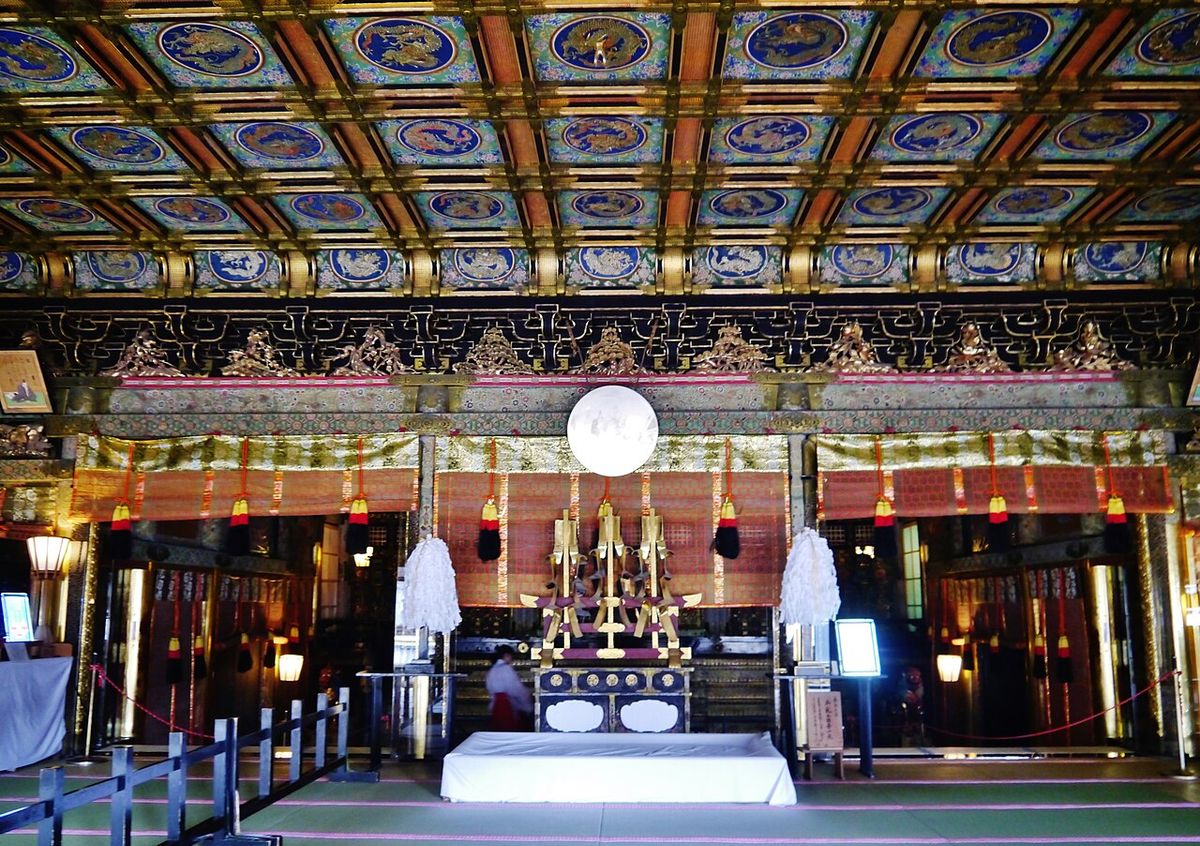
- ■ The grand interior of the Main Hall features magnificent dragon ceiling paintings.
- ■ The central site for the shrine's most important sacred rituals.
Five-Story Pagoda
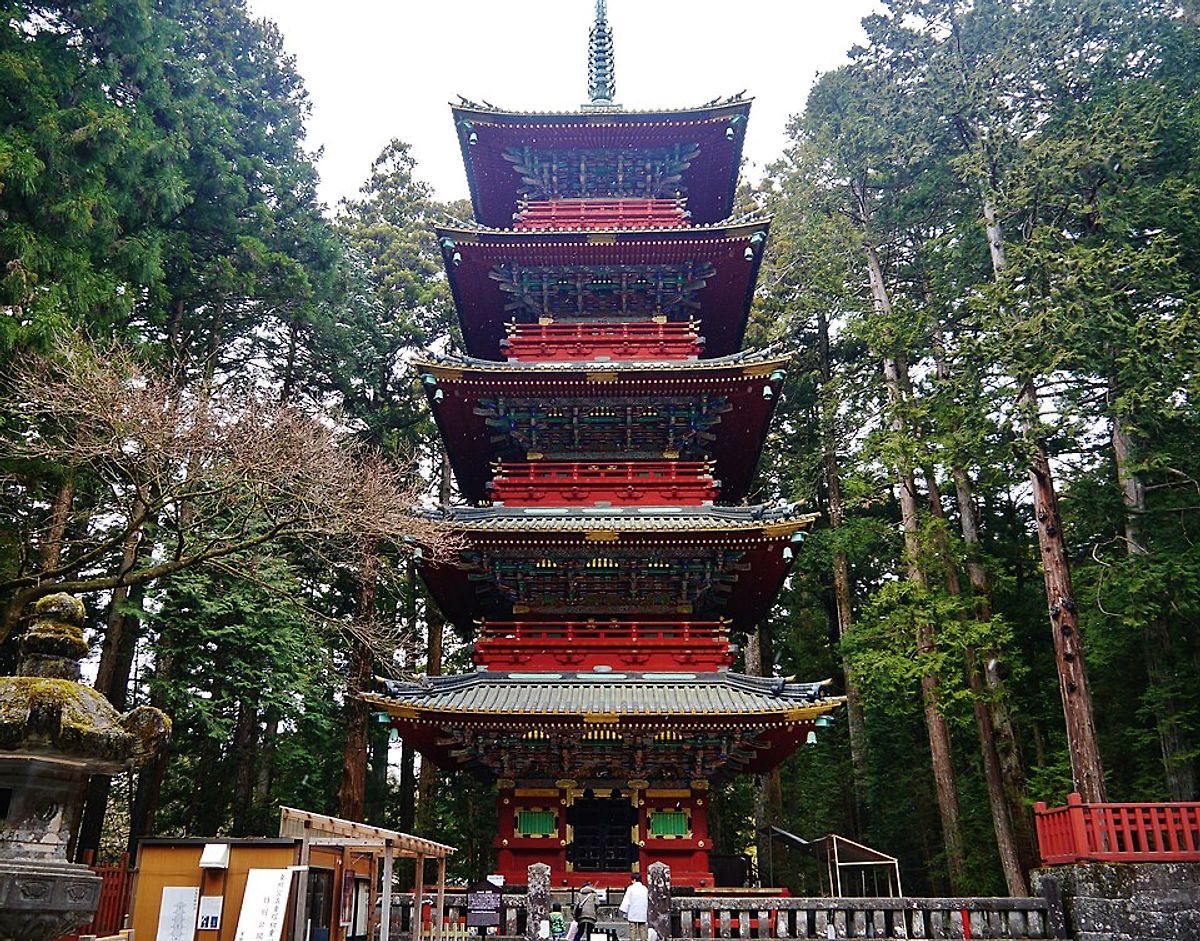
⏳ Suggested Duration: Approx. 15 minutes
📍 Location: Left side immediately after entering through the stone torii gate
Standing 36 meters tall near the entrance, this striking red pagoda contrasts sharply with the surrounding greenery. Originally donated by a feudal lord in the early Edo period and rebuilt in the Bunsei era after a fire, it features a suspended central pillar designed for advanced seismic absorption.
✨ Key Highlights
- ■ The eastern side of the pagoda features zodiac animal carvings representing Tokugawa Ieyasu, Hidetada, and Iemitsu.
- ■ An internal suspended central pillar provides exceptional earthquake resistance.
- ■ The crimson exterior framed by soaring cedars makes for a classic Japanese postcard view.
Honchodo (Yakushido) Crying Dragon
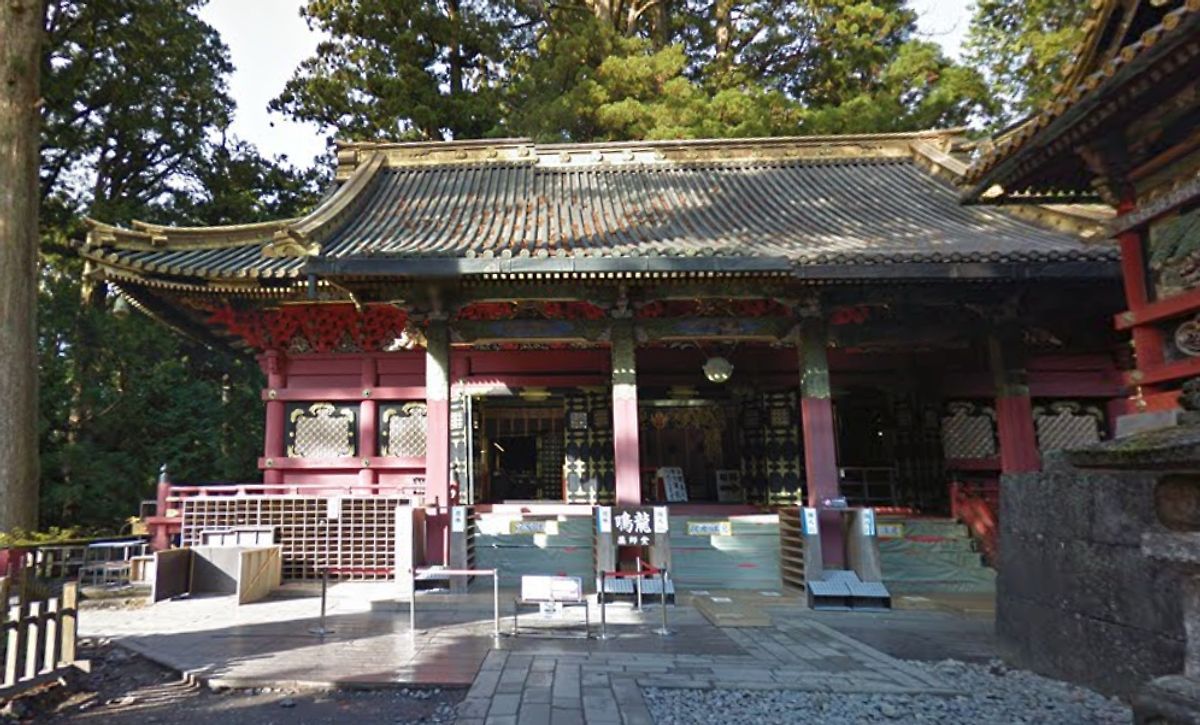
⏳ Suggested Duration: Approx. 15 minutes
📍 Location: Inside the Honchodo (Yakushido) hall ceiling
The 'Crying Dragon' inside Yakushido is a 15-meter-long dragon painted across a massive wooden ceiling mirror. When visitors clap wooden clappers directly underneath the dragon's head, acoustic resonance creates a ringing echo that sounds like a dragon's roar.
✨ Key Highlights
- ■ The ceiling is pieced together from 34 cypress wood panels painted with a dynamic dragon.
- ■ Striking clappers under the dragon's head produces a magical acoustic resonance.
- ■ The hall offers exclusive, exquisitely crafted ringing dragon protective charms.
Nikko Toshogu Shrine: Practical Tips for Visitors
- ■ Footwear & Stamina: The shrine features many stone steps and sloping paths, especially on the way to Okusha; comfortable sneakers or walking shoes are essential.
- ■ Wet Weather Advice: While major halls offer roofed eaves, outdoor stone paths become slippery during rain; bring waterproof footwear or an umbrella and watch your step.
- ■ Beating the Crowds: Weekends and autumn foliage seasons draw immense crowds; arrive between 8:30 AM and 9:00 AM to tackle Yomeimon and the Three Wise Monkeys during the first hour.
- ■ Cash Preparation: Smaller tea houses and amulet counters may not accept electronic payments; carry sufficient Japanese yen cash.
Nikko Toshogu Shrine: Nearby Dining Recommendations (Top 3 Spots Just Steps Away)
Hungry after exploring the World Heritage site? Here are three popular local restaurants and cafes within walking distance of the shrine to complete your trip.
Hongu Cafe
💰 Price Range: Approx. ¥1,000–2,000 per person
📍 Address: 2384 Sannai, Nikko, Tochigi 321-1431, Japan ()
⏳ Opening Hours: 10:00 AM – 5:00 PM (Closed Thursdays)
✨ Must-Try: Hongu Coffee, Matcha Set, Shaved Ice with Strawberry Milk, Cheesecake
Located near Shinkyubashi bridge, this stylish cafe is housed in a historical wooden building. Offering English-friendly service, it's a peaceful spot to rest after sightseeing. Enjoy high-quality pour-over coffee and matcha sweets on tatami mats or wooden tables overlooking green scenery.
✨ Key Features
- ■ Housed in a century-old traditional wooden structure preserving a warm historic ambiance.
- ■ High-end pour-over coffee, authentic matcha, and handmade sweets.
- ■ Walking distance from Toshogu Shrine and Shinkyo Bridge with a seamless sightseeing route.
- ■ English menus and welcoming staff for international travelers.
👉 Recommended For
- ■ Travelers seeking a quiet, atmospheric cafe space after temple visits
- ■ Fans of traditional Japanese old-house vibes and artisanal sweets
Honke Yamabiko
💰 Price Range: Approx. ¥1,000–2,000 per person
📍 Address: 10-8 Yasukawacho, Nikko, Tochigi 321-1432, Japan ()
⏳ Opening Hours: 11:30 AM – 4:00 PM
✨ Must-Try: Yuba Daikon Soba, Tenzaru Soba, Hand-crafted Buckwheat Noodles
Located about a 5-minute walk from the World Heritage zone, Honke Yamabiko is a local favorite specializing in hand-made soba noodles crafted with pure Nikko spring water and Nikko's signature yuba (tofu skin).
✨ Key Features
- ■ Hand-crafted buckwheat noodles made with famous local spring water for springy texture.
- ■ Combines local yuba specialties into authentic regional noodle dishes.
- ■ Minutes away from the World Heritage cluster, ideal for lunch after visits.
- ■ Traditional, cozy interior reflecting local daily life.
👉 Recommended For
- ■ Foodies wanting authentic yuba and handmade soba after exploring
- ■ Families and independent travelers fond of regional Japanese comfort food
Nikko Pudding Tei
💰 Price Range: Under ¥1,000 per person
📍 Address: 937-1 Shimohatsuishimachi, Nikko, Tochigi 321-1403, Japan ()
⏳ Opening Hours: 10:00 AM – 5:00 PM
✨ Must-Try: Nikko Pudding, Otome Pudding, Pudding Soft-Serve Ice Cream
This charming Taisho-romance style pudding shop crafts rich puddings using local Oyou eggs and fresh milk. Each glass bottle is creamy and flavorful, making it a favorite treat for locals and stroll-loving tourists.
✨ Key Features
- ■ Crafted with local eggs and rich milk for a smooth, milky texture.
- ■ Cute glass jars that you can keep as a souvenir.
- ■ Creative flavors like Otome pudding and pudding soft-serve.
- ■ Located along the bustling street leading to Toshogu Shrine.
👉 Recommended For
- ■ Dessert lovers seeking local specialty sweets
- ■ Travelers looking for a quick, photogenic snack on the go
Nikko Toshogu Shrine: Souvenir Shopping Spots
After exploring the shrine and tasting local food, pick up classic Nikko souvenirs before heading back. Here are three well-regarded historic shops:
Ishidaya
🛍️ What to Buy: Signature 'Nikko Jingoro Sembei' crackers and assorted traditional senbei
📍 Address: 4-18 Honcho, Nikko, Tochigi 321-1434, Japan (Main Store) ()
⏳ Opening Hours: 8:30 AM – 5:00 PM
⏰ When to Visit: On your way back to the station
Operating since 1907, this century-old cracker shop produces 'Nikko Jingoro Sembei' using pure spring water and selected rice. Light and crispy with a touch of salty butter flavor, it's one of Nikko's signature souvenirs.
✨ Highlights
- ■ Over a century of trusted baking tradition.
- ■ Crispy, buttery-salted crackers perfect for gifting or snacking.
- ■ Assorted packaging sizes to suit various gift needs.
- ■ Conveniently located for a quick stop on your return trip.
Yuzawaya
🛍️ What to Buy: Original Nikko Sake Manju, Water Yokan, and Matcha Set
📍 Address: 946 Shimohatsuishimachi, Nikko, Tochigi 321-1403, Japan ()
⏳ Opening Hours: 9:00 AM – 6:00 PM (Tuesdays until 5:00 PM, closed Wednesdays)
⏰ When to Visit: Afternoon before heading to the train station
Founded in the first year of Bunka, this historic confectionery shop features a cozy fireplace. Their original sake manju was praised by Emperor Taisho, featuring a delicate hint of sake aroma and smooth red bean filling.
✨ Highlights
- ■ Historic shop established in the Bunka era with renowned sake manju.
- ■ Fragrant sake skin and smooth red bean filling offering authentic traditional flavor.
- ■ Cozy indoor seating to enjoy matcha and water yokan sets.
- ■ Located right along the main street leading to the shrine.
Nisshodo
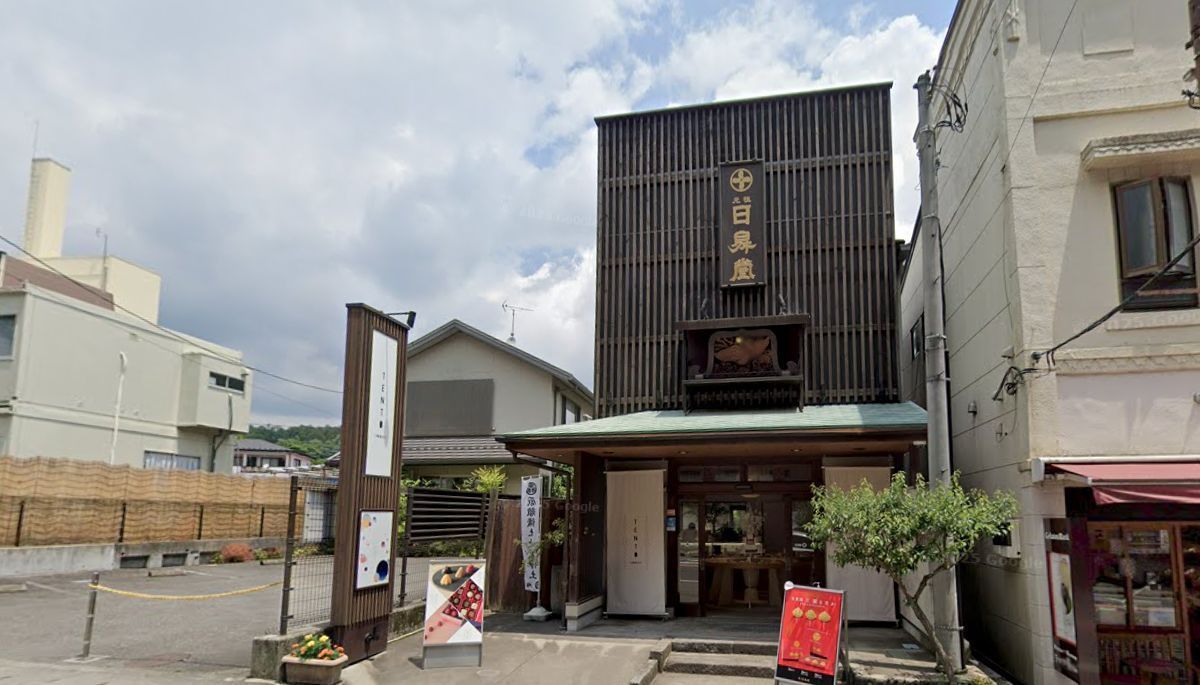
🛍️ What to Buy: Nikko Rusku, Three Wise Monkeys Monaka
📍 Address: 1038 Kamihatsuishimachi, Nikko, Tochigi 321-1401, Japan ()
⏳ Opening Hours: 11:00 AM – 4:00 PM (Closed Wednesdays)
⏰ When to Visit: Quick souvenir run before boarding the train home
An 80-year-old confectionery shop famous for its Three Wise Monkeys monaka wafers and crispy Nikko Rusku. Beautiful packaging and diverse flavors make these gifts a hit with friends and family.
✨ Highlights
- ■ Cute Three Wise Monkeys monaka incorporating local cultural elements.
- ■ Crispy rusks in popular flavors like chocolate and matcha.
- ■ Quick shopping layout to save travel time.
- ■ Elegant packaging ideal for gift-giving.
Nikko Toshogu Shrine: Nearby Attractions to Visit
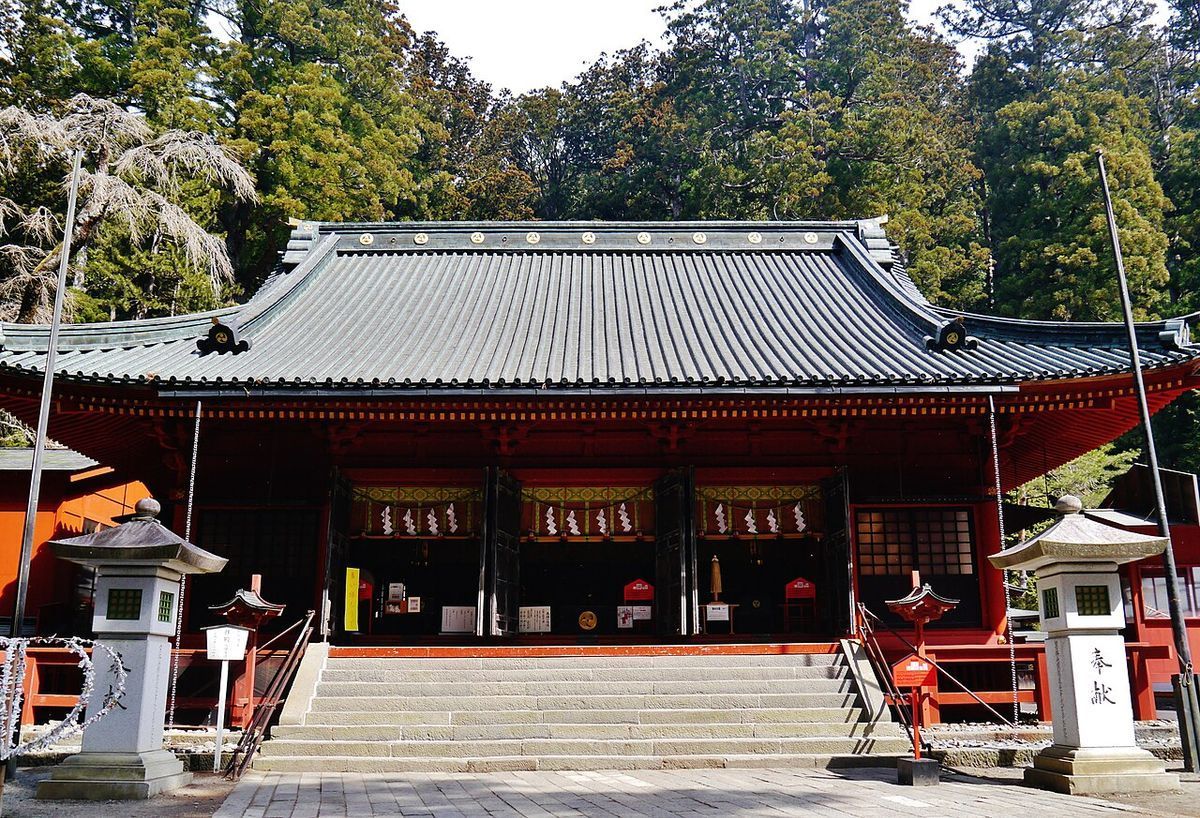
Nikko Futarasan Shrine
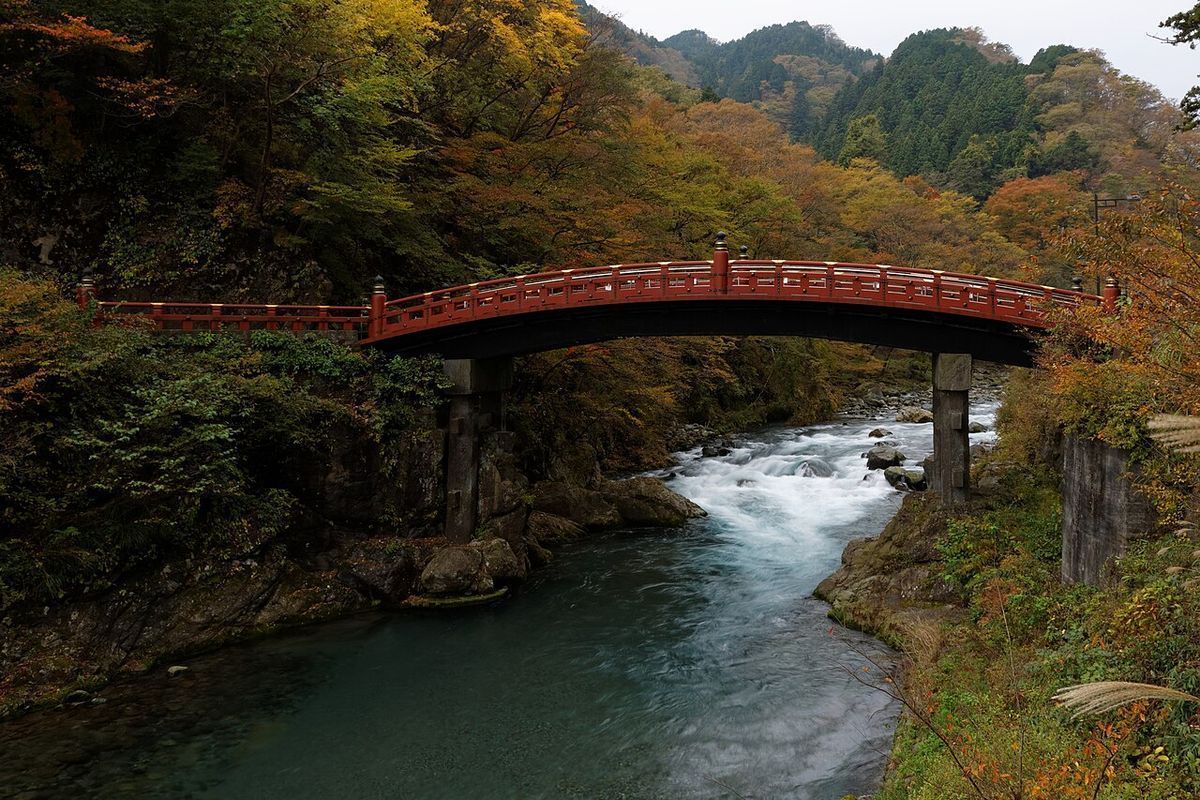
Shinkyo Bridge
Where to Stay in Nikko: Top Hotels & Onsen Ryokan
When planning a trip to a destination renowned for UNESCO World Heritage shrines, majestic mountain peaks, and soothing hot springs, Nikko stands out as an absolute must-visit. Whether you want to admire autumn foliage around Lake Chuzenji, explore Nikko Toshogu Shrine, or soak in the mineral-rich waters of Kinugawa Onsen, choosing the right accommodation is key. Here is a curated selection of top-rated hotels:
Hotel | Best For | Location & Transit Highlights | Price Range |
Lake Chuzenji views & hot spring relaxation | Lake Chuzenji lakeshore, excellent for scenery | US$257 | |
Travelers wanting proximity to heritage sites and stations | Convenient access to Nikko's core area | US$255 | |
Lakefront hot springs and gourmet dining | Lake Chuzenji shoreline, tranquil resort ambiance | US$245 | |
Kinugawa Onsen stay with convenient transit | Approx. a 6-minute walk from Kinugawaonsen Station | US$230 | |
Luxury resort experience & regional craft aesthetics | Kinugawa Onsen forested valley, private open-air baths | US$315 |
For more room details and neighborhood comparisons, check out the complete Where to Stay in Nikko Guide.
Historical Background: Why Was Tokugawa Ieyasu Enshrined Here?
The creation of Nikko Toshogu Shrine is rooted in Edo period history. In 1616, Tokugawa Ieyasu passed away. Per his will, his body was initially interred at Kunozan in Shizuoka before his grandson, Tokugawa Hidetada, moved his mausoleum to Nikko in 1617, establishing the modest original 'Toshosha'. Nobody imagined this small shrine would evolve into Japan's most lavish sanctuary.
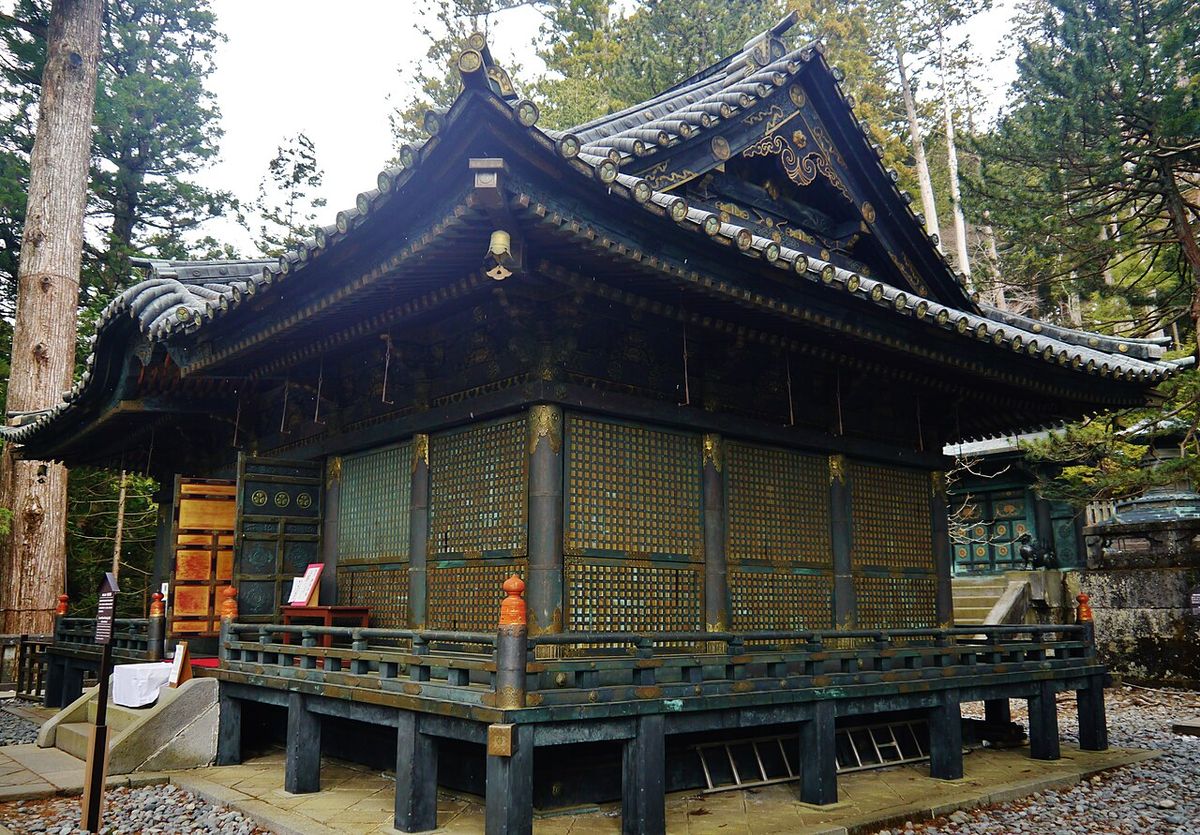
The stunning architecture seen today is the result of a massive renovation ordered in 1636 by the third shogun, Tokugawa Iemitsu—known as the 'Kan'ei Great Renovation'. Mobilizing top craftsmen and vast resources over two years, they transformed the modest shrine into a dazzling symbol of political power and deification. This blend of political signaling, geomantic feng shui layout, and woodcarving artistry earned it UNESCO World Heritage status in 1999. Keep this history in mind during your visit for an even more rewarding experience! ✨
Conclusion: Ready to Explore Nikko Toshogu Shrine?
Nikko Toshogu Shrine offers glistening gates, the famous Three Wise Monkeys, legendary Sleeping Cats, rich history, and magnificent mountain scenery. By planning your Tokyo-to-Nikko transit, securing tickets for early entry, and following an optimized itinerary, your trip will be smooth and memorable. Book your train tickets and get ready to experience the enduring charm of this World Heritage treasure!