
Sensoji Temple 2026 Itinerary: Asakusa Street Food, Senso Ji Shrine & Best Attractions
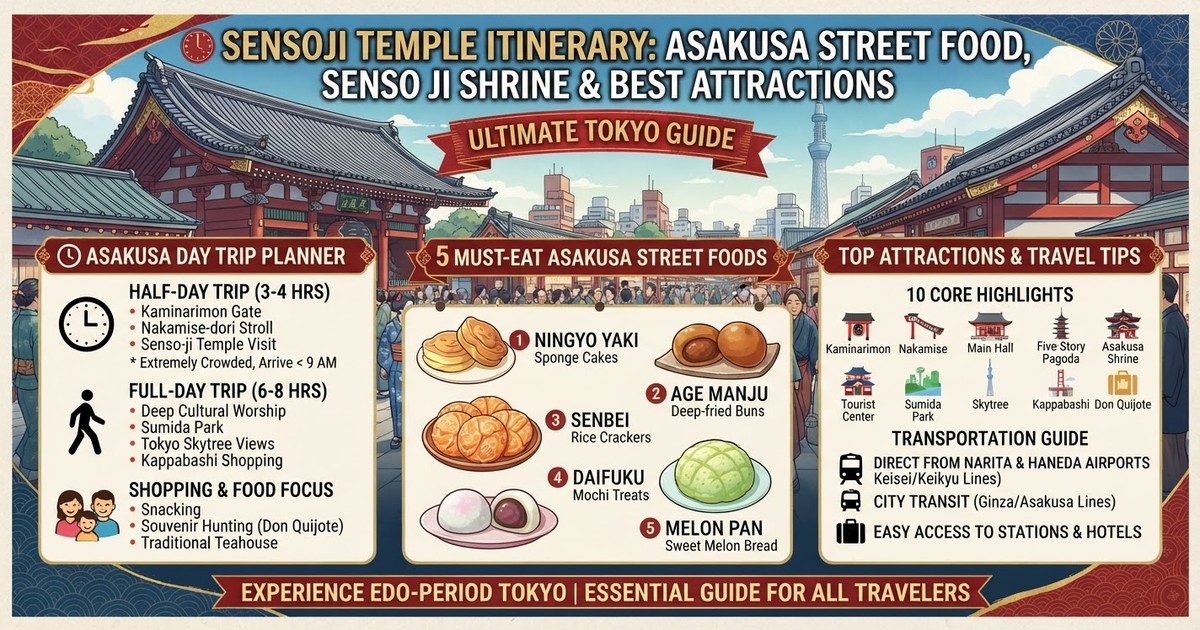
When it comes to planning a Tokyo vacation, first-time visitors almost always put sensoji temple and Kaminarimon at the top of their must-visit list. Standing beneath the massive red lantern while listening to the chatter of fellow travelers and the click of cameras, you get an instant jolt of excitement that feels like stepping straight into Edo-period Tokyo. However, this classic downtown neighborhood draws bustling crowds every single day, and without a solid walking route, you can easily get swept along Nakamise-dori or miss the hidden alleyway snacks and free panoramic viewpoints. This ultimate 2026 guide covers everything you need to know about visiting sensoji temple, featuring 10 top attractions, 5 must-eat street foods, and the best local souvenirs whether you are traveling solo, with family, or with older relatives.
* Some links in this article are affiliate links. If you purchase through them, we may earn a small commission at no extra cost to you. Thank you for your support!
Asakusa Day Trip Itinerary: How to Plan Your Route and Pace
Planning an itinerary around sensoji temple often comes down to managing time, crowds, and physical stamina. Use the decision matrix below to match your available hours and energy levels with the right touring style.
Duration & Energy | Core Style | Must-See Highlights | Important Notes |
Half-Day Trip (3–4 hrs) | Express sightseeing & quick photos | Kaminarimon Gate, Nakamise-dori, Senso-ji Temple, Tourist Center | Extremely crowded; arrive before 9:00 AM |
Standard Day Trip (6–8 hrs) | Deep cultural worship, strolls & skyline views | Combined with Sumida Park, Tokyo Skytree, or Kappabashi | Long walking distance; watch your footwear and stamina |
Shopping & Food Focus | Snacking, souvenir hunting & retail therapy | Bring a spacious backpack or store bags periodically |
- ■ Lock in 3 to 5 core attractions first, then weave in food and souvenirs so you do not burn out before seeing the highlights.
- ■ First-time visitors & photography fans: Head straight for Kaminarimon Gate and Senso-ji Temple, then pop into the Asakusa Culture Tourist Information Center for elevated skyline views.
- ■ Traveling with older relatives & prioritizing comfort: Skip peak congestion hours, stroll along the breezy Sumida River at Sumida Park, and duck into a century-old traditional teahouse for a sit-down break.
- ■ Skytree night-view seekers: Wander across Sumida Park toward Tokyo Skytree in the afternoon to catch the romantic illuminated riverbanks at dusk.
- ■ Shopping enthusiasts: Dedicate your afternoon to Kappabashi Dougu Street or the upper levels of UNIQLO Asakusa, wrapping up your evening at Don Quijote Asakusa.
Asakusa Transportation Guide: Airport Direct Routes and Station Selection
Asakusa remains an all-time favorite travel base largely thanks to its phenomenal railway network. Direct or low-transfer routes from both Narita and Haneda airports let travelers bypass the headache of hauling heavy luggage across multiple lines. For more details on routes, consult our Haneda airport to Tokyo and Narita airport to Tokyo guide.
Arrival Scenario | Route & Train Line | Best Suited Area | Time & Fare Notes |
Narita Airport Direct | Keisei Narita Skyaccess Express (Direct to Asakusa) | Asakusa Station / Kaminarimon Core | ~60 minutes, zero transfers |
Haneda Airport Direct | Keikyu Line direct through Toei Asakusa Line | Surrounding Asakusa Station | ~35–40 minutes, frequent departures |
City Transit (Ginza Line) | Tokyo Metro Ginza Line | Tawaramachi / Asakusa Station | Direct access to Ueno, Ginza, and Shibuya |
City Transit (Asakusa Line) | Toei Asakusa Line | Asakusa Station | Connects Nihombashi, Higashi-Ginza, and Oshiage |
- ■ Airport Direct Advantage: Riding the Keisei Skyaccess Express gets you straight to Asakusa Station without switching trains, putting most core hotels within a short walking distance.
- ■ Subway Exit Selection: Certain Asakusa Station exits feature elevators (such as designated Toei Asakusa and Ginza line exits); travelers with bulky suitcases should check exit accessibility beforehand.
- ■ Urban Mobility: Asakusa acts as the starting terminus for the Ginza Line, making trips to Ueno, Asakusabashi, and Ginza exceptionally smooth.
Japan Tokyo Travel Tickets · Latest Deals✨
Asakusa Must-See Attractions: 6 Core Sights Around Sensoji Temple
Visiting Asakusa means immersing yourself in historic streetscapes framed by grand red lanterns. Here are 6 core attractions you cannot miss on your first trip to sensoji temple.
Kaminarimon Gate
⏳ Recommended Duration: ~0.5 hours
🎫 Admission: Free to view
📍 Address: 2-3-1 Asakusa, Taito City, Tokyo (1–3 min walk from Asakusa Station) ()
🕐 Hours: Open 24/7 (Outdoor landmark)
🚇 How to Get There: Take the Tokyo Metro Ginza Line or Toei Asakusa Line to Asakusa Station and exit immediately.
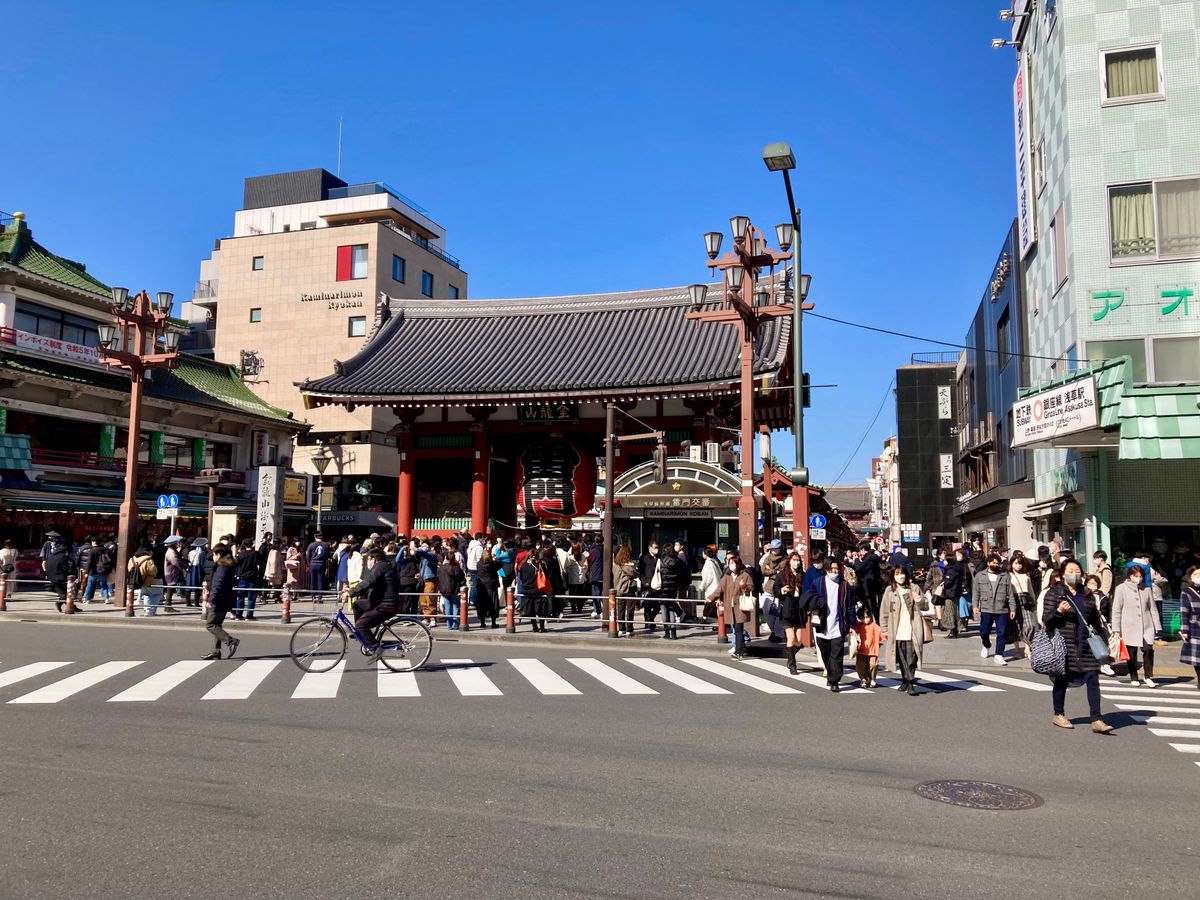
As the spiritual symbol of Asakusa, the Thunder Gate (officially named Furaijinmon) features a colossal red lantern measuring 3.9 meters tall and weighing roughly 700 kilograms, emblazoned with the characters for Kaminarimon. Walking up to it, you will notice camera shutters clicking non-stop and visitors jostling for the best angle. If you want crowd-free photos, try arriving early in the morning or late in the evening when the lantern glows from within. Early morning light hits the red canvas with a gorgeous matte texture, making it ideal for travelers who prefer to drop their luggage off nearby before snapping undisturbed memories. Stepping past Kaminarimon is much more than a photo op; it serves as the grand portal into centuries of downtown Tokyo culture.
✨ Attraction Highlights
- ■ Colossal Red Lantern: Nearly four meters tall, creating an unforgettable first impression for Tokyo snapshots.
- ■ Guardian Statues: Flanked by the wind and thunder deities, exuding historical solemnity.
- ■ Transit Hub Proximity: Positioned directly opposite the tourist center, serving as a foolproof tour starting point.
- ■ Evening Illumination: At night, the lantern glows with warm light, trading daytime hustle for serene Edo romance.
Nakamise-dori Shopping Street
⏳ Recommended Duration: 0.5 to 1 hour
🎫 Admission: Free to stroll
📍 Address: 1-36-3 Asakusa, Taito City, Tokyo (Just behind Kaminarimon) ()
🕐 Hours: Most shops operate from 10:00 AM to 5:00 PM
🚇 How to Get There: Directly behind Kaminarimon, steps from Asakusa Station.
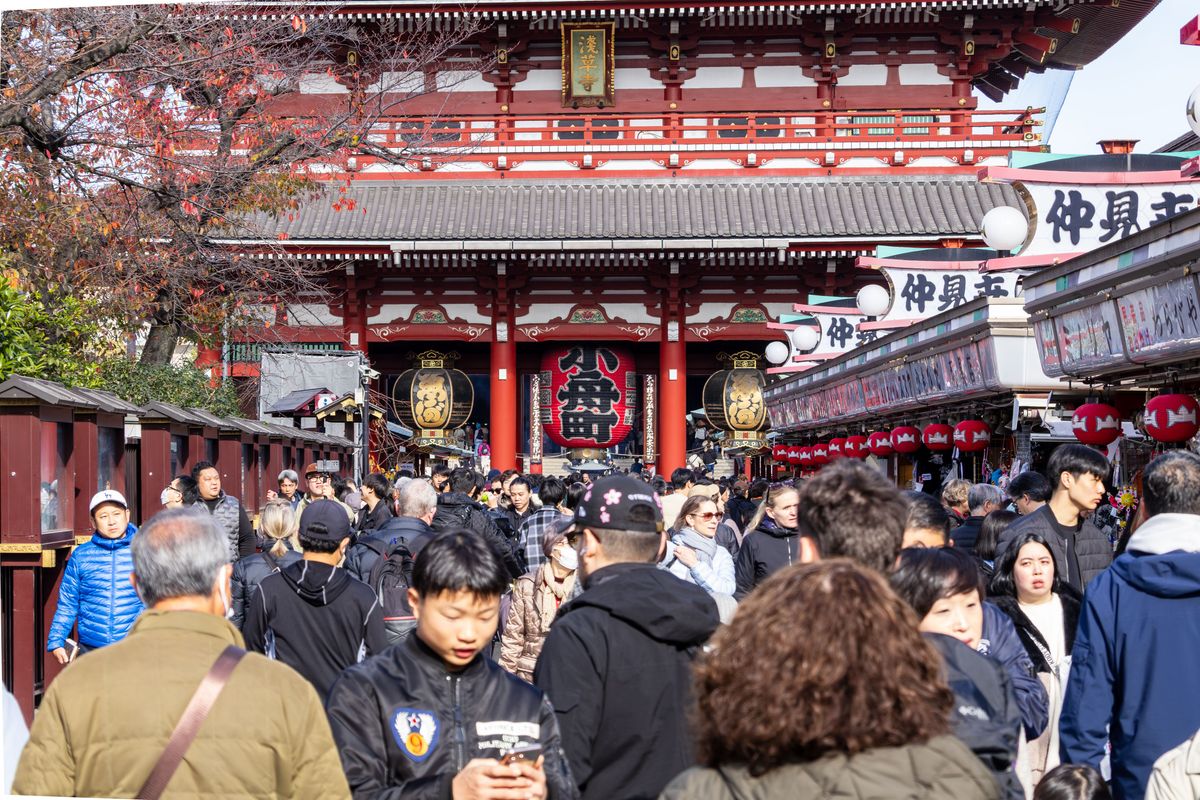
Stretching roughly 250 meters as one of Japan's oldest shopping streets, Nakamise-dori runs from Kaminarimon up to Hozomon Gate, lined with around 90 stalls selling traditional souvenirs, folding fans, and local sweets. Daytime brings an energetic bustle filled with the scent of ningyo-yaki sponge cakes and toasted rice crackers. Keep in mind that eating while walking is generally prohibited here; purchase your street treats and consume them near the vendor's designated stall before moving along. Treading the stone pavement past red-brick and timber storefronts hung with festive banners immerses you completely in working-class Tokyo heritage.
✨ Attraction Highlights
- ■ Century-Old Vendors: Home to multigenerational family shops offering traditional crafts and snacks.
- ■ Street Food Staples: Ningyo-yaki, rice crackers, and deep-fried buns ready for snacking.
- ■ Festival Goods & Souvenirs: Excellent spot to pick up yukata accessories, folding fans, and keepsakes.
- ■ Straightforward Layout: Serving as the direct artery to Sensoji Temple, it is impossible to get lost.
Senso-ji Temple
⏳ Recommended Duration: 1 to 1.5 hours
🎫 Admission: Temple grounds free; fortunes (omikuji) ~100 yen, amulets 500–1,000 yen
📍 Address: 2-3-1 Asakusa, Taito City, Tokyo (At the end of Nakamise-dori) ()
🕐 Hours: Main hall approx. 6:00 AM – 5:00 PM (Temple grounds open 24/7)
🚇 How to Get There: Walk straight down Nakamise-dori until you reach the main hall.
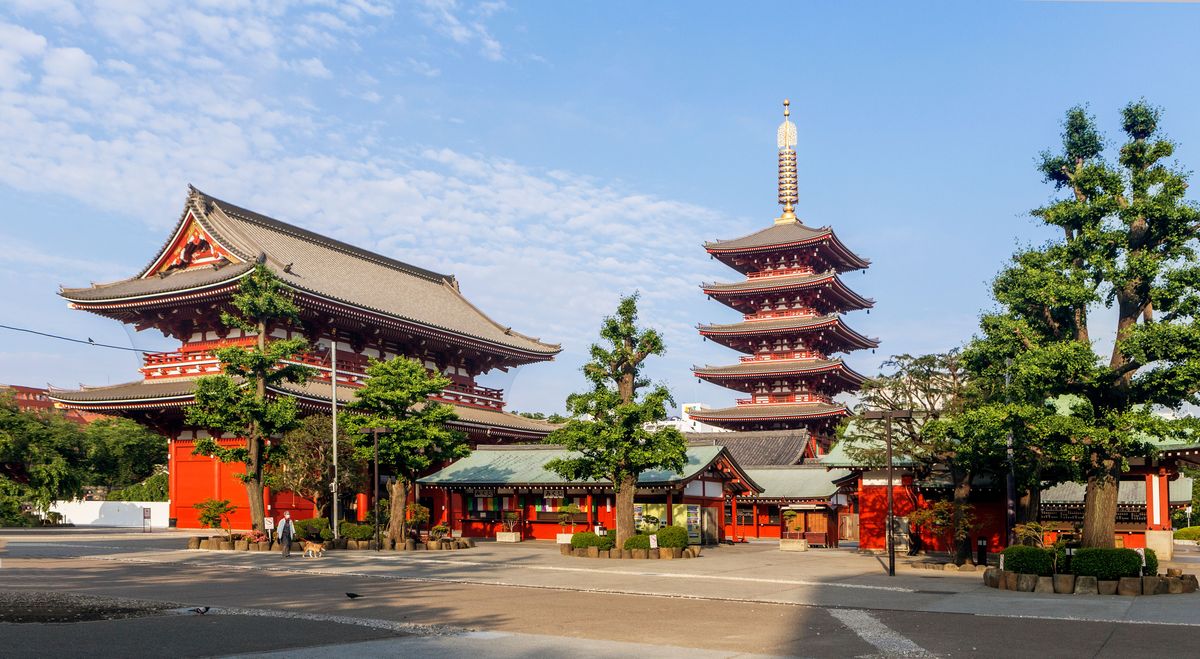
As Tokyo's oldest Buddhist temple, founded in 645 AD, sensoji temple remains perpetually fragrant with incense smoke and bustling with worshippers honoring the Guanyin Bodhisattva. Beyond Hozomon Gate, the grand main hall and massive bronze incense burner draw crowds who gently fan smoke toward themselves for health and healing. Beyond prayer, visitors can draw a 100-yen fortune or select an exquisite protective amulet to take home as a tangible piece of Japanese ritual tradition.
✨ Attraction Highlights
- ■ Millennial Heritage: Experience the deep spiritual roots and architectural majesty of a temple over 1,300 years old.
- ■ Incense Blessing Ritual: Wave fragrant smoke toward your body for wellbeing and good fortune.
- ■ Five-Story Pagoda: Soars majestically beside the main hall, creating iconic photographic compositions.
- ■ Solemn Main Hall Worship: Step inside to quiet your mind and pay respects to the sacred bodhisattva.
Asakusa Shrine
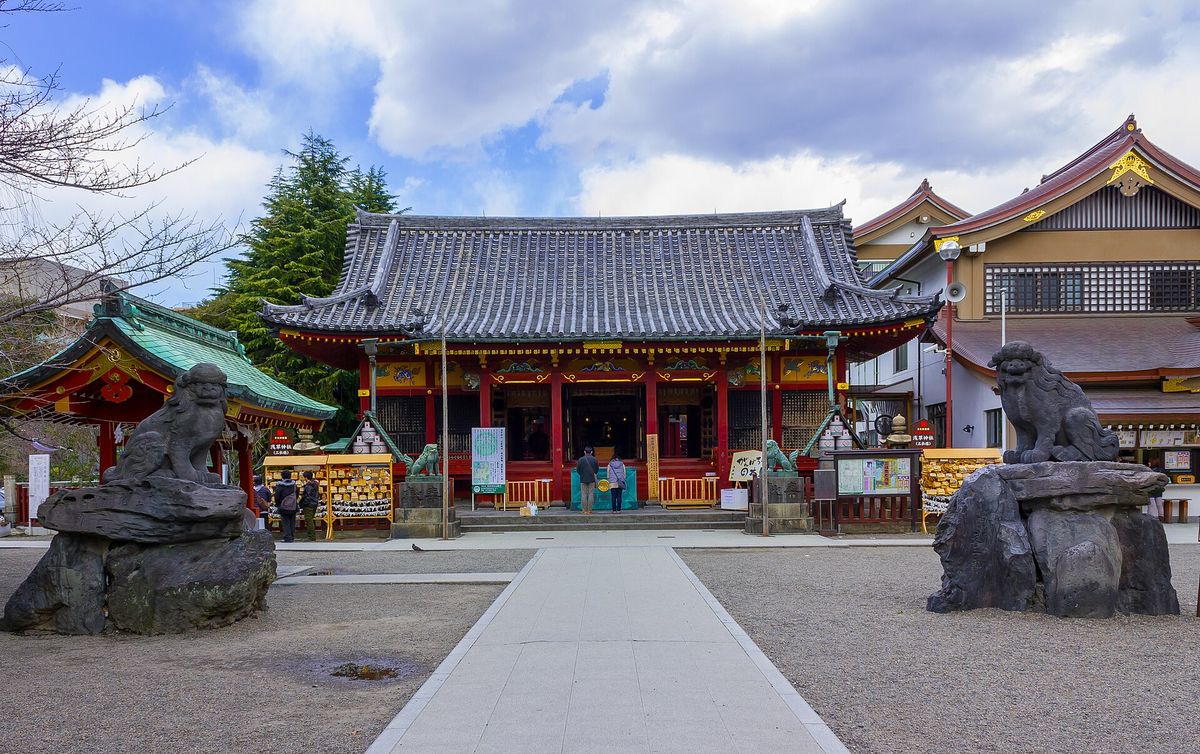
⏳ Recommended Duration: ~0.3 hours
🎫 Admission: Free to worship
📍 Address: 2-3-1 Asakusa, Taito City, Tokyo (Located just east of Senso-ji's main hall) ()
🕐 Hours: Open 24/7 (Shrine office 9:00 AM – 4:30 PM)
🚇 How to Get There: A 1-minute walk from Senso-ji's main hall.
Built in 1649 and affectionately called 'Sanja-sama' by locals, Asakusa Shrine is one of the rare historical structures in Tokyo that miraculously survived the Great Kanto Earthquake and wartime air raids. Every May, it hosts the famous Sanja Matsuri, one of Tokyo's most roaring traditional festivals. Compared to the bustling energy of Senso-ji, this shrine offers a quieter, mossy charm with tranquil wooden architecture ideal for slower-paced cultural appreciation.
✨ Attraction Highlights
- ■ Surviving Edo Architecture: Preserved wooden shrine structures boasting immense historical value.
- ■ Birthplace of Sanja Matsuri: The spiritual home of Tokyo's heavyweight neighborhood festival.
- ■ Unique Amulets & Stamps: Offers exclusive shrine-specific good luck charms and goshuin stamps.
- ■ Peaceful Sanctuary: Tucked right beside Senso-ji while maintaining a tranquil prayer atmosphere.
Asakusa Culture Tourist Information Center
⏳ Recommended Duration: ~0.5 hours
🎫 Admission: Free admission
📍 Address: 2-18-9 Kaminarimon, Taito City, Tokyo (Directly across from Kaminarimon) ()
🕐 Hours: 9:00 AM – 8:00 PM (8th-floor observation deck open until 10:00 PM)
🚇 How to Get There: A 1-minute walk diagonally across from Kaminarimon.
Designed by renowned Japanese architect Kengo Kuma, this eight-story contemporary building combines warm vertical timber louvers with sleek glass, creating a striking visual dialogue with the classical Kaminarimon Gate across the street. Beyond multilingual visitor assistance and currency exchange, its crown jewel is the free 8th-floor observation deck. Standing up here grants a phenomenal elevated perspective looking straight down over Kaminarimon, Nakamise-dori, and all the way to Tokyo Skytree in the distance.
✨ Attraction Highlights
- ■ Master Architect Design: Crafted by Kengo Kuma using natural wood elements as a modern art piece.
- ■ Free 8th-Floor Deck: The ultimate vantage point for framing Kaminarimon and Skytree together.
- ■ Multilingual Support: Comprehensive tourism guides, maps, and currency exchange facilities.
- ■ Rest & Refresh: A great spot to slip out of the midday heat, grab a drink, and check your map.
Denboin-dori Street (Permanently closed)
⏳ Recommended Duration: Permanently closed
🎫 Admission: No longer accessible
📍 Address: Near 2-3-7 Asakusa, Taito City, Tokyo (Crosses perpendicularly with Nakamise-dori) ()
🕐 Hours: Permanently closed (All shops ceased operations on June 20, 2026)
🚇 How to Get There: Turn off midway down Nakamise-dori into the side street.
Once steeped in deep Edo-era atmosphere, Denboin-dori has been permanently closed as all storefronts officially ended operations on June 20, 2026. Following a long-standing public land dispute that reached a settlement at the end of 2025, the shops were required to clear out and return the public land. While visitors can no longer stroll past its retro ukiyo-e motifs, traditional craft shops, or spot the playful carvings of 'Nezumi Kozo' along the eaves, it is important to update your plans since this street is no longer accessible. Travelers should skip this former landmark when mapping out their Asakusa walks.
✨ Attraction Highlights
- ■ Official Closure: All shops in the shopping street permanently ceased operations on June 20, 2026.
- ■ Land Demolition: Properties were cleared following a public land litigation settlement at the end of 2025.
- ■ Former Edo Vibe: Once known for its retro streetscapes, ukiyo-e designs, and hidden Nezumi Kozo carvings.
- ■ Itinerary Adjustment: No longer open to the public, making it a spot you must skip on your trip.
Asakusa Surrounding Attractions: Skytree Views & Riverside Strolls
Once you have explored the core temple grounds, if you still have energy to spare, cross the Sumida River or wander into surrounding old neighborhoods for wider Tokyo perspectives.
Sumida Park
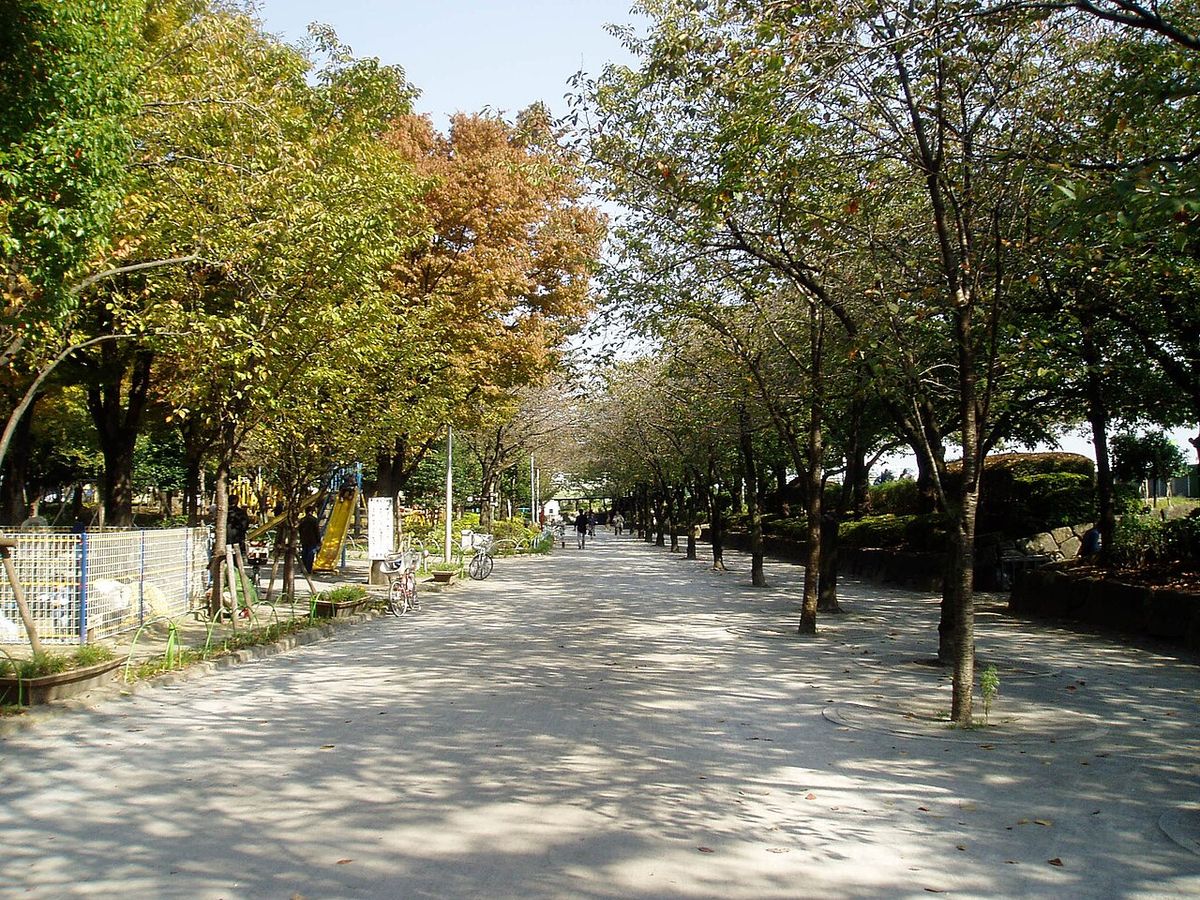
⏳ Recommended Duration: 0.5 to 1 hour
🎫 Admission: Free to enter
📍 Address: 1-1 Hanakawado, Taito City & Sumida City, Tokyo ()
🕐 Hours: Open 24/7
🚇 How to Get There: A 3-minute walk from Asakusa Station.
hugging the banks of the Sumida River, Sumida Park is celebrated across Tokyo for its seasonal scenery. In spring, blooming cherry blossoms frame breathtaking shots of Tokyo Skytree across the water, while day-to-day life brings local joggers, dog walkers, and cyclists. Strolling along the riverside pathway places the flowing water and the golden-flame Asahi Beer headquarters on one side, and towering modern Skytree on the other. At dusk, golden sunset light glints off the river surface, offering a restorative break from retail fatigue.
✨ Attraction Highlights
- ■ Skytree Photo Frame: Open riverside angles capture unobstructed shots of Skytree alongside the river.
- ■ Cherry Blossom Haven: A premier cherry blossom viewing spot during spring sakura season.
- ■ Airy Riverside Walkway: Wide, flat pathways designed for slowing down and catching your breath.
- ■ Modern Architecture Contrast: Features views of landmark contemporary structures like the Asahi Beer building.
Tokyo Skytree
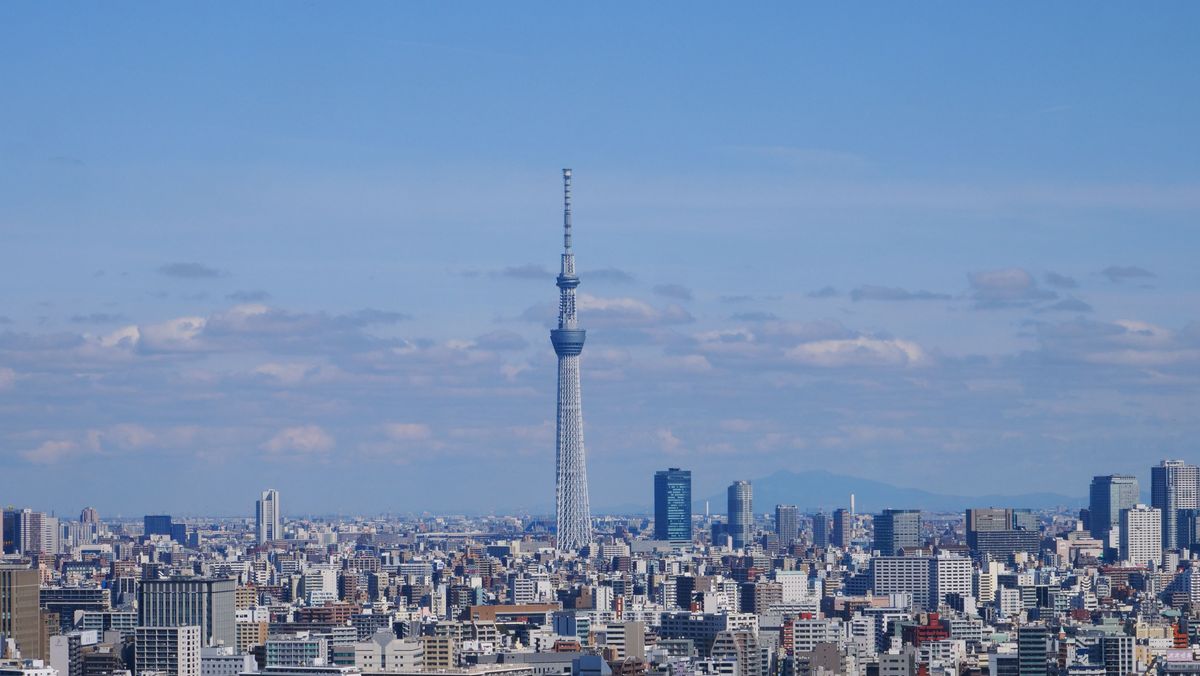
⏳ Recommended Duration: 2 to 3 hours
🎫 Admission: Observation deck tickets range from approx. 2,100 to 3,500 yen (Advance online booking recommended)
📍 Address: 1-1-2 Oshiage, Sumida City, Tokyo ()
🕐 Hours: 10:00 AM – 10:00 PM (Weekends often open earlier at 8:00 or 9:00 AM)
🚇 How to Get There: A 15-minute walk from Asakusa Station across the Sumida River pedestrian bridge, or one stop via the Tobu Skytree Line.
Soaring 634 meters as the world's tallest freestanding broadcasting tower, Tokyo Skytree serves as Tokyo's premier modern icon, anchored by the massive Tokyo Solamachi shopping complex at its base. Ascending to the 350-meter and 450-meter observation decks reveals panoramic vistas stretching across the entire metropolis all the way to Mount Fuji on clear days. The adjoining mall houses hundreds of fashion boutiques, anime character shops, and exclusive souvenirs, making it easy to spend an entire afternoon here.
✨ Attraction Highlights
- ■ World's Tallest Tower: 360-degree observation decks delivering breathtaking city panoramas.
- ■ Tokyo Solamachi Shopping: Hundreds of dining and retail outlets right below the tower.
- ■ Exclusive Souvenirs: Home to limited-edition Tokyo Banana treats and Skytree merchandise.
- ■ Seamless Transit: An easy stroll from Asakusa or a single subway stop away.
Asakusa Hanayashiki
⏳ Recommended Duration: 1.5 to 2 hours
🎫 Admission: Adult entry approx. 1,200–2,500 yen, ride tickets sold separately
📍 Address: 2-28-1 Asakusa, Taito City, Tokyo (A 5-minute walk from Senso-ji) ()
🕐 Hours: 10:00 AM – 6:00 PM (Varies by season)
🚇 How to Get There: A 5-minute walk north of Senso-ji's main hall.
Operating since 1853, Japan's oldest surviving amusement park radiates thick Showa-era nostalgia. It houses Japan's oldest operating roller coaster; while modest in speed, the rattling wooden clatter and retro atmosphere cannot be replicated in modern mega-parks. Though compact in size, the park overflows with charming downtown character, making it a wonderful stop for photography buffs or families traveling with young children.
✨ Attraction Highlights
- ■ Japan's Oldest Amusement Park: Over a century of vintage entertainment heritage.
- ■ Legendary Retro Roller Coaster: Experience the unique thrill of Japan's oldest surviving coaster.
- ■ Showa-Era Nostalgia: Retro facades and vintage ride cars provide unbeatable photo backdrops.
- ■ Family-Friendly Scale: Gentle, approachable attractions suitable for all ages.
Kappabashi Dougu Street
⏳ Recommended Duration: 1.5 to 2 hours
🎫 Admission: Free to explore
📍 Address: Matsugaya 3-18-2, Taito City, Tokyo (Between Asakusa and Ueno) ()
🕐 Hours: Most shops 9:00 AM – 5:00 PM (Some close Sundays)
🚇 How to Get There: A 10–15 minute walk west from Asakusa Station.
Spanning roughly 800 meters, this specialized wholesale street gathers over 170 shops dedicated to cookware, restaurant tableware, baking supplies, professional chef knives, and hyper-realistic food display replicas. It is a dream destination for culinary enthusiasts and home cooks alike, featuring giant chef statues and lifelike keychains that delight tourists. Whether you are hunting for a hand-forged Japanese kitchen knife or fine ceramic tableware, Kappabashi delivers.
✨ Attraction Highlights
- ■ Cookware Paradise: Over 170 specialized shops offering everything from pots to chef knives.
- ■ Realistic Food Replicas: Famous fake-food keychains and display models make unique souvenirs.
- ■ Pro-Grade Japanese Knives: Pick up high-end, artisan-crafted kitchen cutlery.
- ■ Iconic Street Landmarks: The giant chef grandpa statue marks an unmissable photo landmark.
Asakusa Food Guide: Walking-Distance Street Eats and Sweet Treats
When your feet get tired and hunger strikes, Asakusa streets offer endless temptations. Here are 5 must-visit local food stops ranging from crispy melon bread to comforting traditional sweets.
More details available in the Asakusa Food Guide!
Asakusa Kagetsudo
💰 Price Range: Budget street snack (~300–700 yen)
📍 Address: 2-7-13 Asakusa (Main) / 1-18-11 Asakusa (Kaminarimon Branch), Taito City, Tokyo ()
⏳ Hours: 9:00 AM – 4:30 or 5:00 PM (closes when sold out)
✨ Must-Try Items: Signature giant melon bread, ice cream-stuffed melon bread (matcha or vanilla)
Famed for its oversized, extra-crispy exterior and fluffy interior, Kagetsudo has famously sold nearly 10,000 melon breads in a single day. Freshly baked and radiating rich butter aromas, biting into one gives you an immediate satisfying crunch while walking the street. On warm days, order the ice cream-stuffed version for a decadent hot-and-cold combination that makes the inevitable queue completely worthwhile.
✨ Food Highlights
- ■ Ultra-Crispy Crust: Baked to a golden crunch that shatters lightly with each bite.
- ■ Fluffy Interior: Soft, cloud-like bread loaded with rich buttery fragrance.
- ■ Ice Cream Sandwich Upgrade: Stuffed with vanilla or matcha gelato for ultimate summer refreshment.
- ■ Freshly Baked Quality: Long lines form consistently for good reason—fresh from the oven is best.
👉 Best Suited For
- ■ Bread & Pastry Lovers: Anyone who cannot resist the aroma of fresh bakery goods.
- ■ Strolling Snackers: Perfect fuel for exploring the neighborhood on foot.
Asakusa Kimuraya Ningyo-yaki
💰 Price Range: Budget souvenirs and snacks (~600–1,000 yen)
📍 Address: 2-3-1 Asakusa, Taito City, Tokyo (Inside Nakamise-dori) ()
⏳ Hours: 9:30 AM – 6:30 PM
✨ Must-Try Items: Traditional red bean ningyo-yaki, plain molded ningyo-yaki
Positioned along Nakamise-dori as one of the oldest ningyo-yaki specialty shops, Kimuraya hand-crafts sponge cakes molded into five-story pagodas, pigeons, and Kaminarimon lanterns. The sponge exterior resembles a dense honey cake, filled with smooth, delicately sweetened red bean paste. Enjoyed warm from the counter, sharing a bag with travel companions delivers classic Tokyo flavor.
✨ Food Highlights
- ■ Century-Old Heritage: Time-tested artisan techniques delivering consistent quality.
- ■ Iconic Local Shapes: Pagoda and lantern molds carry strong commemorative value.
- ■ Smooth Red Bean Filling: Sweetness balanced perfectly with the honey-scented sponge crust.
- ■ Fresh Daily Production: Baked on-site so you can watch the artisan craft process.
👉 Best Suited For
- ■ Traditional Snack Fans: Travelers who appreciate classic Japanese sponge cakes and sweet bean fillings.
- ■ Souvenir Shoppers: A boxed set makes an ideal gift to share with friends back home.
Naruto Taiyaki Hompo (Asakusa Shin-Nakamise)
💰 Price Range: Coin-friendly snack (~300–380 yen per fish)
📍 Address: 1-28-1 Asakusa, Taito City, Tokyo ()
⏳ Hours: 9:00 AM – 11:00 PM
✨ Must-Try Items: Classic red bean taiyaki, golden sweet potato taiyaki
Using the traditional 'issun-yaki' casting method (cooking each fish individually on open flames rather than bulk trays), this shop produces taiyaki with exceptionally paper-thin, crispy crusts packed with filling from head to tail. Biting into a freshly baked fish yields a satisfying crunch followed by velvety red bean or sweet potato paste. Staying open late makes it a dependable evening treat for night owls.
✨ Food Highlights
- ■ Single-Mold Crafting: Individually flipped iron molds guarantee a paper-thin, crackling crust.
- ■ Generous Filling: Packed edge-to-edge with rich, high-quality ingredients.
- ■ Classic Flavor Pairings: Traditional adzuki bean and sweet potato options.
- ■ Late Operating Hours: Open until 11:00 PM for post-dinner cravings.
👉 Best Suited For
- ■ Taiyaki Purists: Anyone chasing crispy crusts and overflowing fillings.
- ■ Late-Night Snacker: Perfect for a warm dessert after evening sightseeing.
Asakusa Yohei
💰 Price Range: Pocket-friendly snacks (300–600 yen per skewer)
📍 Address: 2-2-7 Asakusa, Taito City, Tokyo ()
⏳ Hours: 10:00 AM – 18:00
✨ Must-Try Items: Charcoal-grilled soy sauce dango, red bean dango, ageshimochi (fried mochi)
Tucked into a quiet alleyway just behind Senso-ji Temple, this cozy shop specializes in traditional Japanese dumplings, fried mochi, and light snacks. Skewers are grilled over charcoal and brushed with savory-sweet soy glaze, while the fried mochi is crispy outside and chewy inside. Set away from the main tourist stream, it offers a peaceful spot to rest your legs.
✨ Food Highlights
- ■ Charcoal-Grilled Dango: Brushed with fragrant soy glaze for springy, savory texture.
- ■ Crispy Fried Mochi: Golden-brown crust giving way to chewy rice cake inside.
- ■ Quiet Alley Vibe: Set away from busy thoroughfares for a peaceful snack break.
- ■ Diverse Menu: Offers shaved ice in summer alongside hot mochi treats.
👉 Best Suited For
- ■ Traditional Snack Lovers: Fans of grilled dumplings and mochi specialties.
- ■ Travelers Seeking Calm: Ideal for escaping the crowds and resting quietly.
Asakusa Kibi Dango Azuma
💰 Price Range: Affordable coin snacks (~400 yen for 5 skewers)
📍 Address: 1-18-1 Asakusa, Taito City, Tokyo ()
⏳ Hours: 9:00 AM – 5:30 or 6:30 PM
✨ Must-Try Items: Freshly dusted soybean flour kibi dango, chilled amazake
Positioned at a bustling corner near Nakamise-dori, this compact stand serves up the legendary kibi dango featured in Japanese folklore tales of Momotaro. Freshly prepared warm dumplings are generously coated in fragrant roasted soybean flour (kinako), offering soft, chewy bites packed with nutty aroma. Pair it with a cup of chilled, sweet amazake for the ultimate snack combination.
✨ Food Highlights
- ■ Folklore Heritage: Recreates the famous dumpling treat from the Momotaro fairy tale.
- ■ Rich Soybean Dust: Dusted generously with roasted kinako powder for deep aroma.
- ■ Chilled Amazake Pairing: Sweet fermented rice drink provides a refreshing contrast.
- ■ Quick Standing Snack: Small portions designed for eating on the go.
👉 Best Suited For
- ■ Curious Foodies: Visitors eager to taste traditional fairy-tale delicacies.
- ■ Kinako Fans: Anyone who loves roasted soybean flour sweets.
Asakusa Souvenir Guide: Rice Crackers, Yokan, and Traditional Sweets
Before heading home with bulging luggage, Asakusa serves as a goldmine for souvenir shopping. Here are 3 long-standing heritage shops to help you pick foolproof gifts.
Tokiwado Kaminari-okoshi Honpo
🛍️ What to Buy: Traditional brown sugar kaminari-okoshi, peanut puffed rice snacks, gift boxes
📍 Address: 1-3-2 Asakusa (Kaminarimon Main Store), Taito City, Tokyo ()
⏳ Hours: 10:00 AM – 6:30 PM
⏰ When to Shop: Toward the end of your itinerary or right before departure
Established during the Edo period, Tokiwado is the pioneer of 'kaminari-okoshi' (crispy puffed rice snacks bound with maltose, brown sugar, or peanuts), representing the quintessential flavor of Asakusa. The main store features an array of beautifully packaged gift boxes alongside an experience center, making it both a shopping destination and a cultural stop.
✨ Purchase Highlights
- ■ Edo-Period Heritage: The defining puffed rice sweet of Asakusa, perfect for gift-giving.
- ■ Diverse Flavors: Traditional brown sugar, peanut, and matcha variations.
- ■ Crisp, Non-Sticky Texture: Modernized crunch that is easy for all ages to enjoy.
- ■ Sturdy Gift Packaging: Well-sealed boxes make packing for flights hassle-free.
Funawa Main Store
🛍️ What to Buy: Signature sweet potato yokan, anko-dama, sweet potato soft serve
📍 Address: 1-22-10 Asakusa, Taito City, Tokyo (3–5 min walk from Asakusa Station) ()
⏳ Hours: 10:00 AM – 7:00 PM
⏰ When to Shop: Afternoon tea break on-site or gift boxes before heading home
Founded in 1902, this confectionery icon is famous across Japan for its sweet potato treats. The first floor offers souvenir boxes, while the upper floors house a traditional dessert cafe. Their signature 'imo-yokan' is made from pure sweet potatoes without artificial additives or preservatives, delivering clean, natural sweetness, while colorful 'anko-dama' bean balls charm both the eyes and palate.
✨ Purchase Highlights
- ■ Century-Old Potato Confectioner: All-natural imo-yokan free of artificial additives.
- ■ Instagram-Worthy Anko-Dama: Colorful, polished sweet bean spheres.
- ■ Upstairs Tea House: Sit down for traditional sweets when your feet need a rest.
- ■ Shelf-Life Note: Because imo-yokan uses natural ingredients with a short shelf life, buy it close to departure.
Asakusa Umizono
🛍️ What to Buy: Awa-zenzai (millet red bean soup), red bean soup dumplings, dorayaki
📍 Address: 1-31-12 Asakusa, Taito City, Tokyo (3-min walk from Senso-ji) ()
⏳ Hours: 10:00 AM – 5:00 or 6:00 PM
⏰ When to Shop: Sit down when your legs get tired, then grab dorayaki gifts on your way out
Established in Ansei 1 (1854), this venerable traditional dessert parlor invented the famous 'Awa-zenzai' (steamed millet topped with thick red bean paste). The interior exudes classic Edo teahouse charm, serving steaming red bean soups, matcha treats, and fluffy dorayaki that reflect generations of confectionery mastery.
✨ Purchase Highlights
- ■ Established in 1854: Over 170 years of authentic traditional dessert heritage.
- ■ Signature Millet Red Bean Soup: A comforting exclusive recipe with complex texture.
- ■ Fine Confectionery Boxes: Elegant dorayaki and wagashi gift sets.
- ■ Retro Teahouse Ambience: Traditional tatami and wooden interior transporting you back in time.
Asakusa Bonus Stops: 3 Extra Places to Explore
If you finish your core itinerary and want a few more spots to explore, these 3 backups will round out your Asakusa experience.
UNIQLO Asakusa & Asakusa Yokocho
Don Quijote Asakusa
Asakusa Hotel Guide: Where to Stay for Easy Luggage and Sightseeing
Asakusa is an undisputed favorite for Tokyo visitors, blending timeless Edo culture around Kaminarimon and Senso-ji with modern views of Tokyo Skytree. Choosing the right hotel is the secret to a seamless itinerary, whether you want designer rooftop terraces overlooking the Skytree or wallet-friendly business hotels.
Hotel | Best Suited For | Location & Access Highlights | Price Range | Trade-offs |
First-timers, landmark lovers | Direct proximity to Kaminarimon, rooftop terrace with Skytree views | Mid-to-High | Higher rates during peak seasons | |
Family travel, spacious rooms | Spacious rooms, stunning Skytree-facing vistas | Mid-Range | Slightly further walk from the station | |
Transit convenience, rail fans | Directly adjacent to Tobu Asakusa Station, superb access | Mid-Range | High-demand rooms require early booking | |
Japanese aesthetic seekers | Near Hanakawado, quiet and characterful | Budget-to-Mid | 8–10 minute walk to Kaminarimon | |
Budget travelers, high value | Tsukuba Express area, affordable with complete amenities | Budget-Friendly | Rooms are compact and cozy |
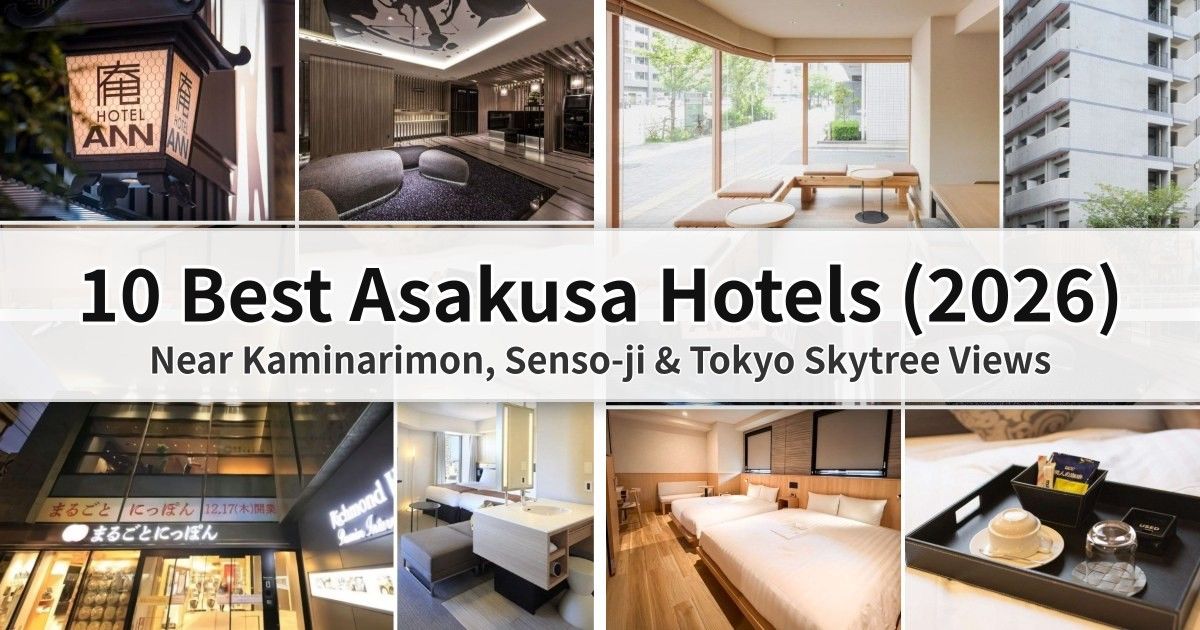
Use this comparison table to match your travel companions and budget. For deeper reviews of 10 top-rated hotels, check out our complete 10 Best Asakusa Hotels (2026) guide.
Asakusa and sensoji temple remain timeless Tokyo landmarks that never fail to surprise visitors no matter how many times they return. By targeting the golden hours, avoiding peak crowds, and combining smooth transit with local street eats, your day trip will be relaxed and rewarding! Pin your favorite foods and souvenirs for your 2026 Tokyo journey today!