
Ultimate 2026 Asakusa Temple Guide: Itinerary, Food & Access
When it comes to Tokyo's most iconic traditional cultural landmarks, Senso-ji Temple in Taito Ward is an absolute must-visit for every first-time traveler. Starting from Kaminarimon Gate with its giant red lantern, stretching through the historic Nakamise Shopping Street, and culminating in worship at the majestic Main Hall, this route flawlessly weaves together Edo-period heritage and modern Tokyo vibes. Whether you want to taste freshly baked ningyo-yaki, pick up authentic omamori amulets, or map out a half-day stroll, understanding transit routes and crowd patterns ensures a smooth, unhurried experience. This updated 2026 guide covers everything you need to know for a flawless Asakusa adventure!
* Some links in this article are affiliate links. If you purchase through them, we may earn a small commission at no extra cost to you. Thank you for your support!
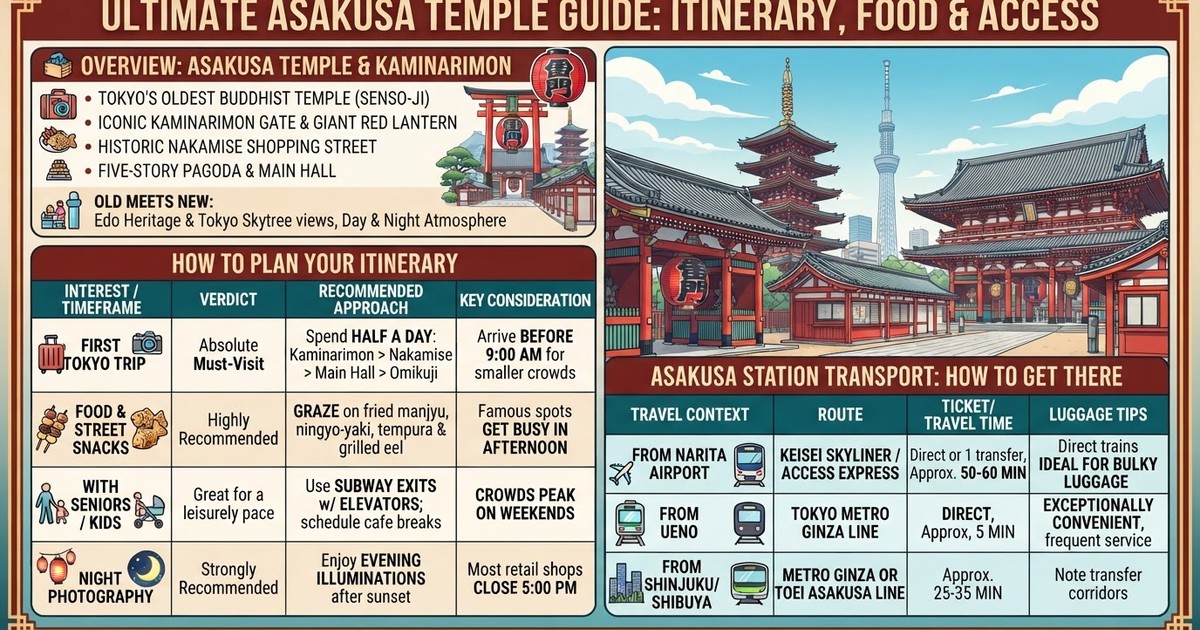
Asakusa Temple & Kaminarimon: Overview
Tokyo's Oldest Temple and Living Edo Heritage
- ■ Senso-ji is Tokyo's oldest Buddhist temple, dedicated to Kannon Bodhisattva with over a millennium of rich history and cultural heritage.
- ■ The complex features the iconic Kaminarimon Gate, Hozomon Gate, a five-story pagoda, and the bustling Main Hall, offering incredible sightseeing and worship value.
- ■ Beyond its religious significance, it serves as the ultimate window into traditional Edo street culture, with surrounding alleys alive with festive energy.
A Unique Landscape Where Old Meets New
- ■ Standing within the temple grounds or nearby observation points, you can simultaneously frame the historic five-story pagoda alongside the ultra-modern Tokyo Skytree.
- ■ The atmosphere transforms dramatically from daytime energy filled with bustling shops to serene, illuminated solemnity after dark.
- ■ Excellent subway connectivity makes it a seamless transit hub connecting to Ueno, Tokyo Skytree, and Akihabara.
Asakusa Temple: Is It Worth Visiting & How to Plan Your Itinerary
Interest / Timeframe | Verdict | Recommended Approach | Key Consideration |
First Tokyo trip | Absolute must-visit | Spend half a day visiting Kaminarimon, Nakamise Street, the Main Hall, and drawing omikuji fortunes | Arrive before 9:00 AM for smaller crowds and the best photo opportunities |
Food & street snack lovers | Highly recommended | Graze on fried manjyu and ningyo-yaki, while sampling century-old tempura or grilled eel | Famous spots get busy in the afternoon; go early to secure your spot |
Traveling with seniors or kids | Great for a leisurely pace | Choose subway exits with direct elevators to minimize walking strain; schedule cafe breaks | Crowds peak on weekends; watch out for strollers in tight spaces |
Night photography & crowd-avoidance | Strongly recommended | Arrive late afternoon and stay past sunset to enjoy evening illuminations on Kaminarimon and the Main Hall | Most retail shops close around 5:00 PM |
If you are visiting for the first time, plan for 2 to 3 hours of relaxed exploration. To bundle in surrounding shopping and dining districts, consider these tailored approaches:
- ■ First time / Half day: Head straight to Kaminarimon and the Main Hall, following the route detailed below.
- ■ Food hunts: Focus on the street snacks and queue-worthy spots along Nakamise Shopping Street and Hachiman Lane.
- ■ Souvenir shopping: Stop by century-old heritage shops on your way out to pick up Kaminari-okoshi rice puffs and ningyo-yaki.
- ■ Finding a place to stay: Browse our curated list of high-value station-front hotels to eliminate heavy luggage hauling.
Asakusa Temple Transport: How to Get to Asakusa Station
Travel Context | Route | Ticket / Travel Time | Luggage & Transfer Tips |
Direct from Narita Airport | Keisei Electric Railway ACCESS Express or (with one transfer or direct) | Approx. 50–60 minutes, frequent departures | Direct trains are ideal for travelers with bulky suitcases |
Departing from Ueno | Ginza Line (Asakusa Station) | About 5 minutes, exceptionally convenient | Ginza Line runs frequently, perfect for pairing with Ueno attractions |
Tokyo Metro Ginza Line or Toei Asakusa Line | About 25–35 minutes | Note that some transfer corridors require short walks |
- ■ Rush Hour Notice: Commuter hours see heavy subway crowds; avoid the 8:00–9:30 AM window if traveling with large luggage.
- ■ Exit Selection: When hauling heavy bags or strollers, look specifically for step-free elevator exits (such as those on the Ginza or Asakusa subway lines) to avoid stairs.
- ■ Walking Distance: Walking from any of the Asakusa station lines to Kaminarimon takes only 3 to 5 minutes along clearly marked routes.
- ■ Transit Passes: If you have a busy city itinerary planned, pairing your trip with a saves significantly on transport costs.
Japan Tokyo Travel Tickets · Latest Deals✨
Asakusa Temple: Opening Hours, Admission, and Beating the Crowds
Senso-ji's Main Hall and temple grounds are completely free of charge with no admission ticket required, making spontaneous visits effortless for independent travelers. However, keeping track of opening hours is key to avoiding massive tour groups.
Operating Hours Reference
Area | Hours / Rules | Notes |
Senso-ji Main Hall | 06:00–17:00 (Oct to Mar: 06:30–17:00) | Main hall interior hours; outer grounds remain open 24/7 |
Kaminarimon & Grounds | Open 24 hours daily | Beautiful evening illuminations make night strolls very atmospheric |
Nakamise Shopping Street | Approx. 10:00 – 17:00 | Individual shop hours vary; stores close progressively in late afternoon |
📍 Attraction Info Card
Address: 2 Chome-3-1 Asakusa, Taito Ward, Tokyo ()
Admission: Free to enter (fortune slips and amulets require separate fees)
Golden Hour: Aim to arrive before 08:30 AM for minimal crowds and pristine unobstructed photos of the Kaminarimon lantern and Nakamise street.
Asakusa Temple Day Trip Itinerary: Classic Walking Route
Classic Cultural Half-Day Itinerary
Timeframe | Stop | Recommended Duration | Connection & Tips |
09:00–09:30 | Kaminarimon Photo & Entrance | Approx. 30 minutes | Beat tour bus peaks and capture crowd-free giant lantern shots |
09:30–10:30 | Nakamise Shopping Street Stroll | Approx. 1 hour | Browse traditional crafts and sample early-morning freshly baked ningyo-yaki |
10:30–11:30 | Main Hall Worship & Omikuji | Approx. 1 hour | Experience traditional water purification, prayer, and 100-yen fortune drawing |
11:30–13:00 | Alleyway Lunch & Souvenir Shopping | Approx. 1.5 hours | Head into Hatsune Koike or historic tempura eateries for local flavors |
This classic route is tailored for first-time visitors to experience Asakusa's signature landmarks in one cohesive sweep. Exiting the subway, you are immediately greeted by the imposing grandeur of Kaminarimon Gate. Passing through leads you straight into historic Nakamise Shopping Street, lined with vibrant snack and souvenir stalls. After a 250-meter walk and passing Hozomon Gate, you reach the Main Hall for worship. Conclude by drawing an omikuji fortune for good luck. If you have extra energy in the afternoon, stroll over to Sumida Park for riverside views of the Tokyo Skytree.
- ■ Morning Advantage: Visiting Nakamise Street before 9:00 AM reveals beautifully painted Edo-era scenes on storefront shutters—a hidden perk for photographers.
- ■ Etiquette: Cleanse your hands and rinse your mouth at the chozuya water basin before approaching the Main Hall for prayer.
- ■ Souvenir Strategy: Note down shops you like during your walk and purchase items on your return trip to avoid carrying heavy bags while exploring the temple.
Must-See Highlights: Kaminarimon, Hozomon, and the Main Hall
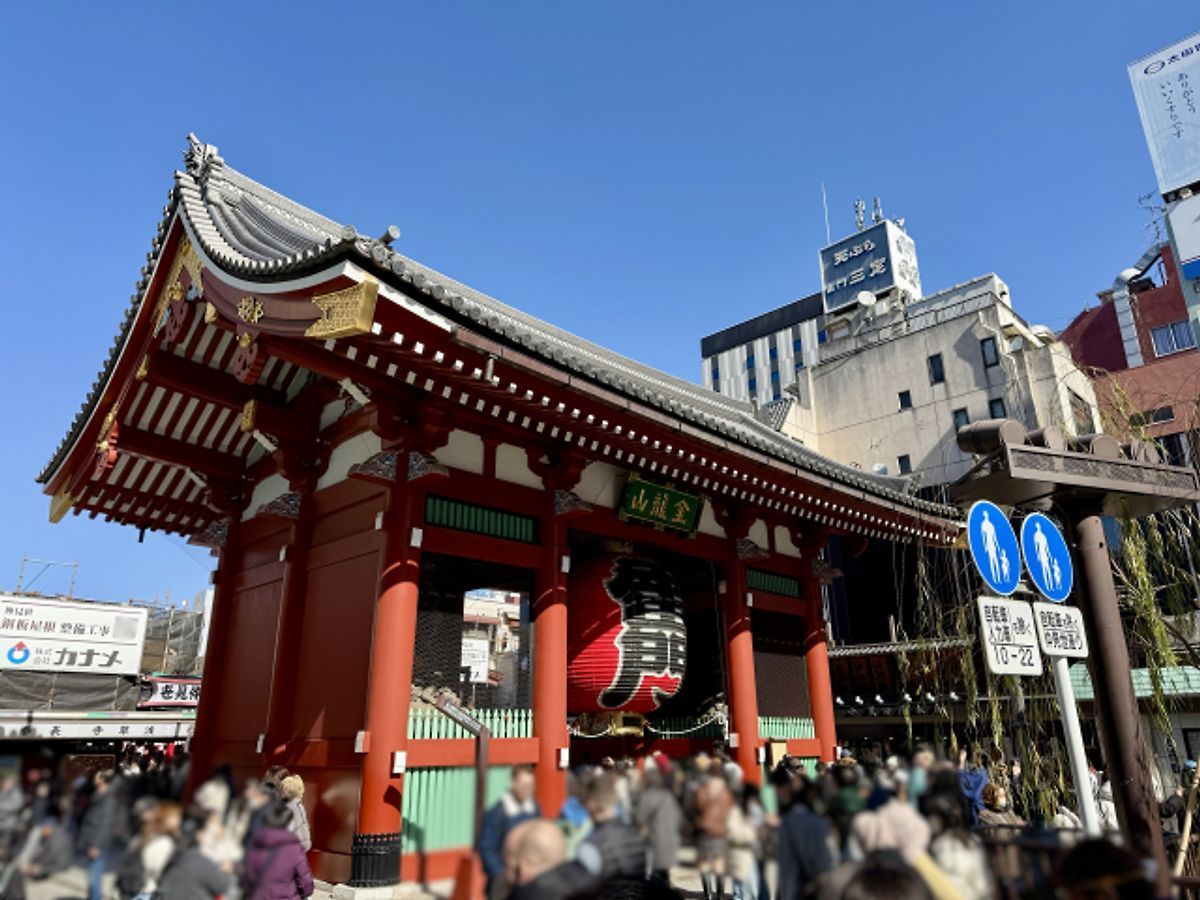
Kaminarimon (Wind and Thunder Gate)
⏳ Recommended Duration: Approx. 20 to 30 minutes
📍 Location: Main entrance facing Kaminarimon-dori and the subway station
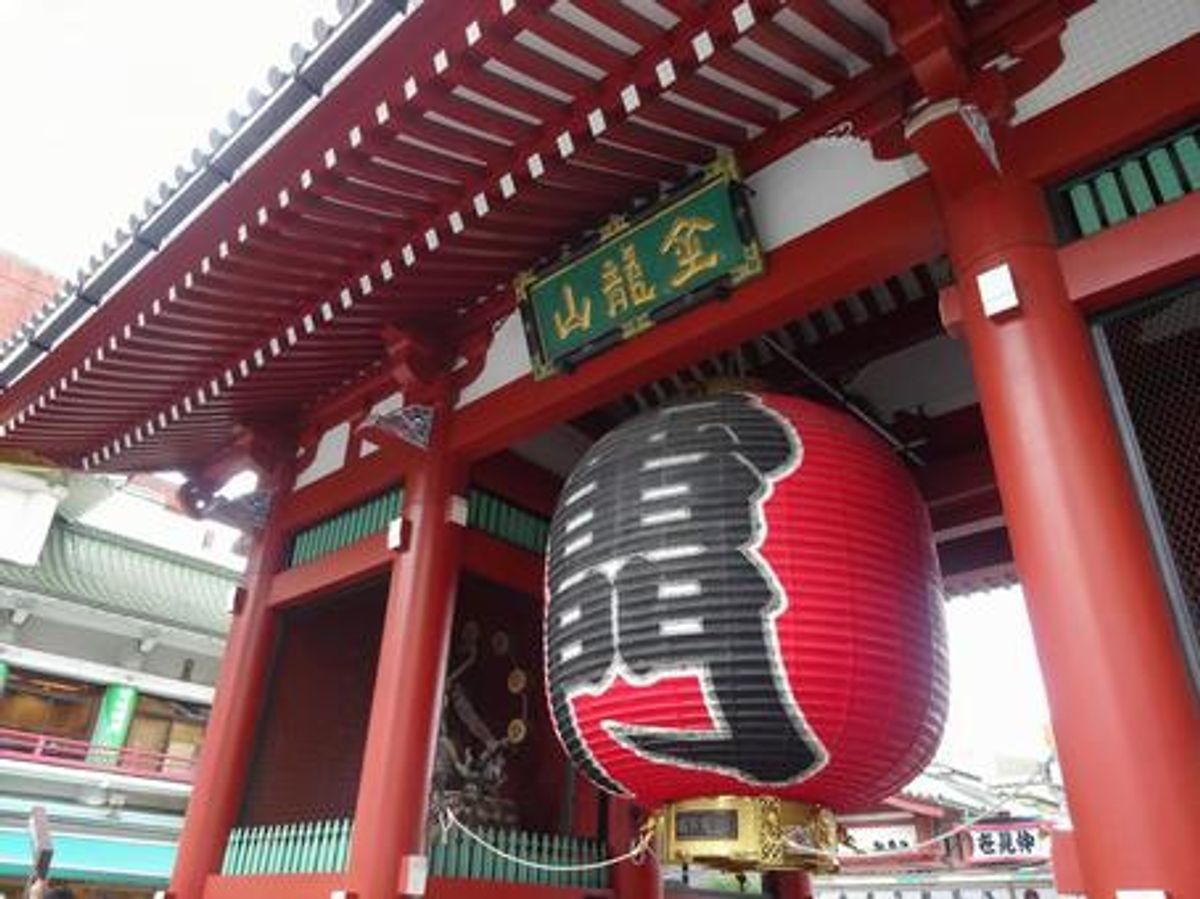
As Asakusa's most famous landmark, Kaminarimon's official name is Furaijinmon. The massive red lantern hanging in the center features intricate black metal fittings and commands an impressive presence. It is the mandatory first photo stop for every visitor. For the best composition, stand across the street or slightly to the side to capture the entire lantern and inscription text in one frame.
✨ Key Highlights
- ■ Admire the intricate wooden dragon carvings on the underside of the massive red lantern.
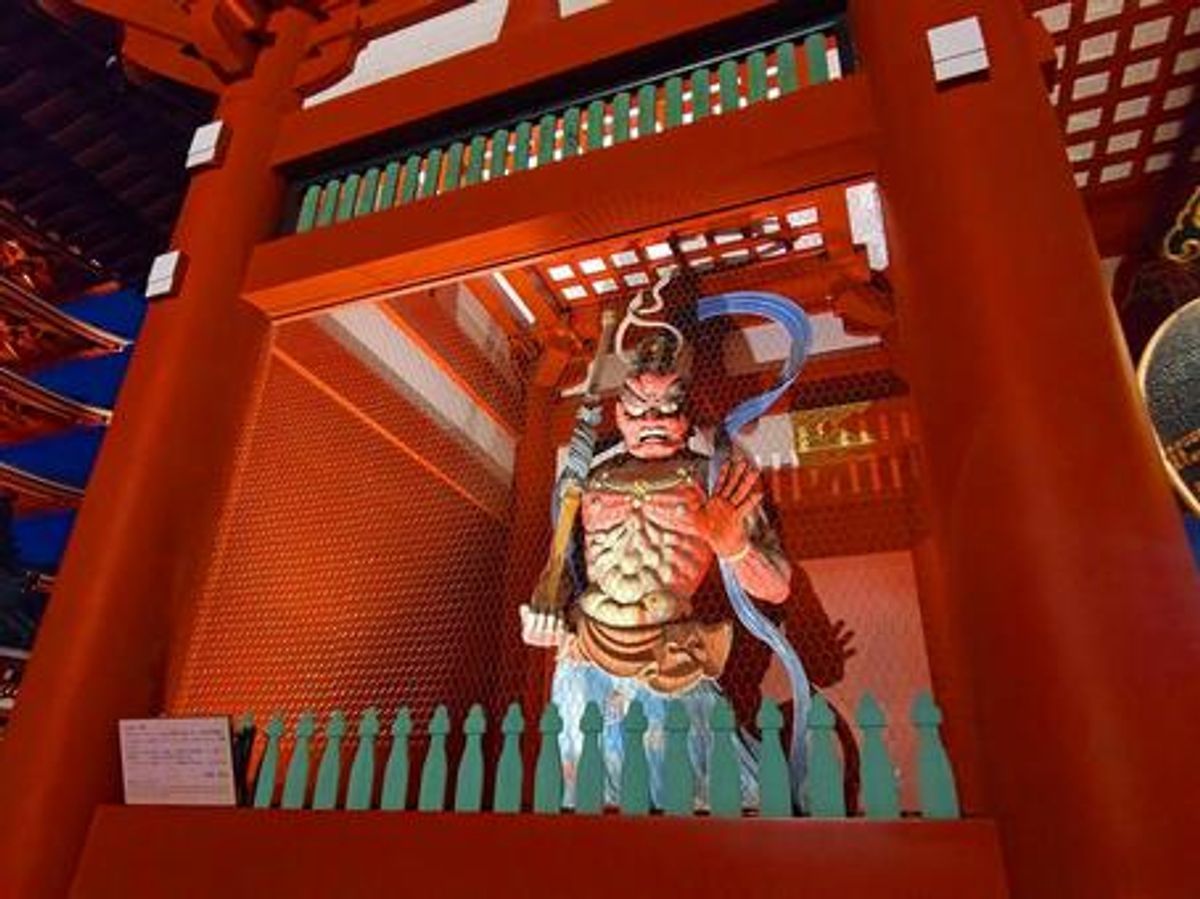
- ■ Spot the guardian deities Fujin (God of Wind) and Raijin (God of Thunder) standing on either side.
- ■ Stand dead-center for the classic 'I've arrived in Tokyo' commemorative snapshot.
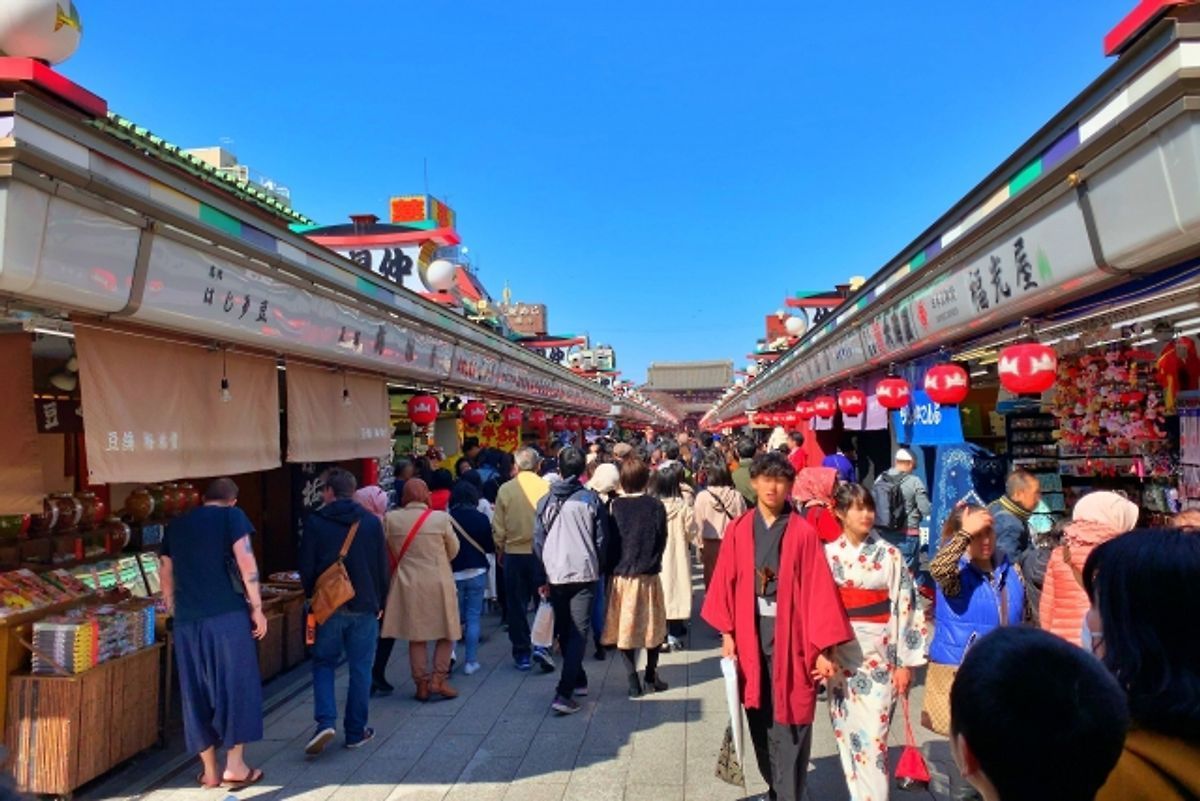
Nakamise Shopping Street
⏳ Recommended Duration: Approx. 45 to 60 minutes
📍 Location: 250-meter historic shopping street connecting Kaminarimon and Hozomon
As one of Japan's oldest shopping arcades, Nakamise features around 90 orderly shops lining a stone-paved walkway. Brimming with festive traditional atmosphere, it sells classic snacks, folding fans, and yukata accessories. The lively calls of vendors and sweet aromas create an unforgettable Asakusa vibe. Keep an eye out for traditional Edo-themed murals painted on the metal shutters.
✨ Key Highlights
- ■ Browse traditional signboards and endless rows of Japanese souvenirs at century-old shops.
- ■ Graze on freshly baked ningyo-yaki and hot fried manjyu while walking.
- ■ Observe the Edo cultural scroll paintings displayed on shutters during early morning hours.
Senso-ji Main Hall and Five-Story Pagoda
⏳ Recommended Duration: Approx. 45 minutes
📍 Location: The spiritual core area past Hozomon Gate
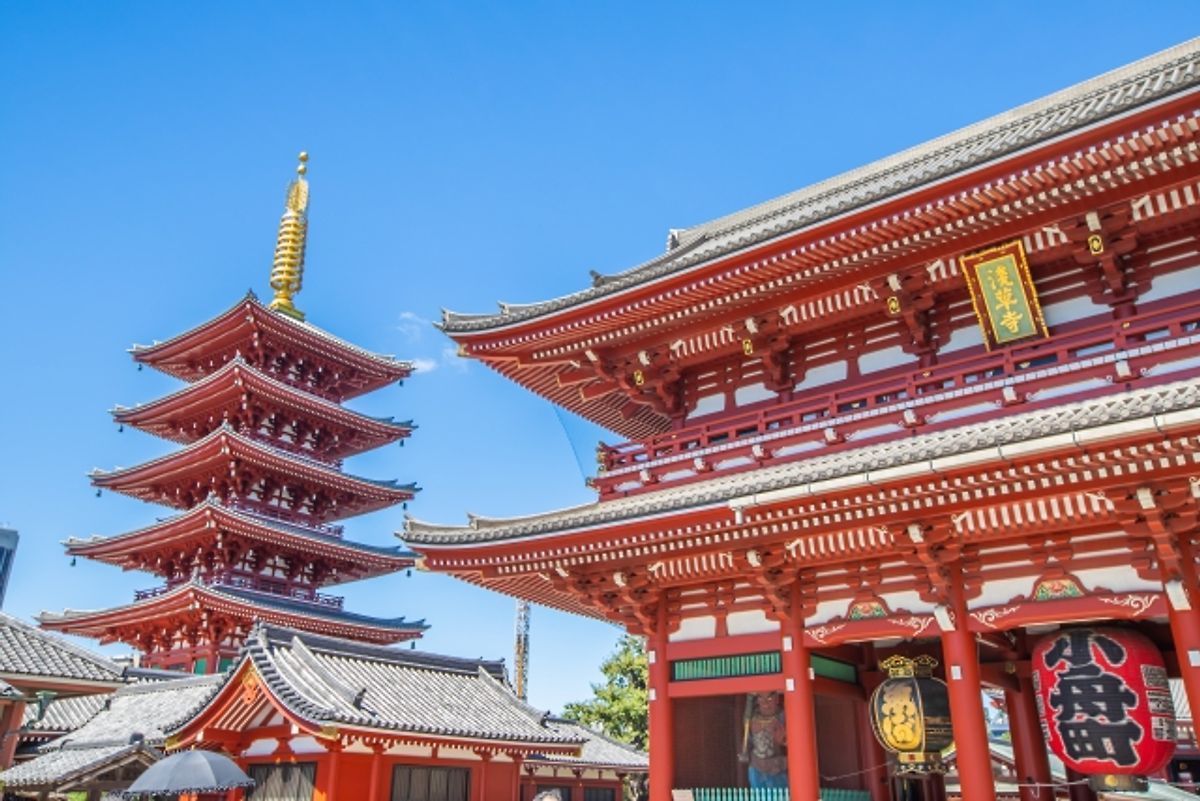
Dedicated to the Kannon Bodhisattva, the majestic Main Hall is the spiritual hub where worshippers and tourists gather. At the massive incense burner in front, visitors gently fan smoke toward themselves to pray for health and peace. Nearby, the towering five-story pagoda creates a stunning architectural contrast against the modern Tokyo Skytree, whether under bright blue skies or evening illumination.
✨ Key Highlights
- ■ Offer prayers at the main altar and draw a traditional 100-yen omikuji fortune.
- ■ Participate in the ritual incense smoke cleansing for health and good fortune.
- ■ Gaze up at the striking five-story pagoda juxtaposed against the modern Tokyo Skytree.
Practical Tips for Visiting Asakusa Temple
- ■ Crowd Timing: Peak congestion runs from 9:00 AM to 4:00 PM; arrive before 8:00 AM for quiet photography.
- ■ Payment Methods: While many shops accept electronic money and credit cards, traditional street food stalls and amulet counters primarily operate on cash (Japanese yen)—keep small coins handy.
- ■ Rainy Day Backup: While Nakamise Street features an overhead awning, some sections remain exposed to wind and rain. Consider shifting your itinerary to nearby indoor arcades or extending your cafe break.
- ■ Family Travel: Strollers can be cumbersome in crowded Nakamise corridors; a baby carrier is recommended during peak weekend hours. Nearby historic amusement parks offer kid-friendly entertainment.
Must-Eat Street Food Near Senso-ji: 3 Popular Stops Within Walking Distance
No trip to Asakusa is complete without sampling its incredible street food and snacks. Here are 3 top-rated eateries located just steps from Senso-ji Temple.
Asakusa Kokonoe
💰 Price Range: Approx. 200–400 JPY per piece
📍 Address: Nakamise Shopping Street, about 1 min walk from Senso-ji ()
⏳ Business Hours: 10:00 – 19:00
✨ Must-Try: Signature Fried Manjyu, Red Bean, Matcha, and Black Sesame flavors
Situated midway along bustling Nakamise Street, Asakusa Kokonoe is a legendary street snack favorite. Their signature fried manjyu features a golden-brown crispy crust encapsulating sweet, smooth fillings. Freshly fried and piping hot, it delivers an irresistible festival atmosphere. Multiple sweet fillings ensure every dessert lover finds a favorite.
✨ Food Highlights
- ■ Crispy, satisfying fried crust with a piping hot center—especially comforting in cooler weather.
- ■ Available in red bean, black sesame, matcha, and chocolate varieties.
- ■ Perfectly located mid-stride along Nakamise Shopping Street for easy grab-and-go snacking.
- ■ Highly budget-friendly coin-operated street snack representative.
Best For
- ■ Foodies who love crispy, traditional Japanese deep-fried sweets.
- ■ Travelers of all ages needing a sweet energy boost while exploring.
Asakusa Unana
💰 Price Range: Eel rice balls from approx. 600 JPY
📍 Address: 2 Chome-7-21 Asakusa, Taito Ward (Inside Hatsune Koike Shopping Street) ()
⏳ Business Hours: 09:00 – 17:30 (Weekends extended to 18:30)
✨ Must-Try: Domestic Grilled Eel Rice Ball, Charcoal-Grilled Eel Skewers
Tucked away inside Hatsune Koike Shopping Street, Asakusa Unana is a viral charcoal-grilled eel hotspot. Using premium domestic eel from Miyazaki Prefecture, each portion is grilled over binchotan charcoal until crisp outside and tender inside, then served atop a savory grilled rice ball brushed with secret glaze. The shop provides an indoor dining area so visitors can sit down and savor the premium grilled flavors away from outdoor crowds.
✨ Food Highlights
- ■ Premium Miyazaki eel cooked over binchotan charcoal for unmatched aroma.
- ■ Innovative eel rice ball concept combining luxury flavor with casual street convenience.
- ■ Dedicated indoor seating area allowing guests to dine comfortably.
Best For
- ■ Budget-conscious food lovers looking to enjoy high-end unagi without breaking the bank.
- ■ Off-the-beaten-path explorers seeking specialty street bites.
Daikokuya Tempura
💰 Price Range: Approx. 2,000 – 3,000 JPY
📍 Address: 1 Chome-38-10 Asakusa, Taito Ward ()
⏳ Business Hours: 11:00 – 20:00
✨ Must-Try: Signature Tendon, Mixed Tempura Bowl, Prawn Tendon
A century-old tempura institution, Daikokuya is the gold standard for authentic Edobae dining in Asakusa. Their signature tendon is distinguished by freshly fried tempura immediately dipped in a secret-recipe dark sauce, giving it a characteristic deep brown color (known as black tendon). Rich, savory, and wonderfully moist, every bite delivers genuine Edo heritage.
✨ Food Highlights
- ■ Century-old Edo establishment preserving generational tempura sauce recipes.
- ■ Signature dark tendon with rich umami flavor and moist texture.
- ■ Nostalgic Japanese interior offering an authentic dining experience.
Best For
- ■ Food connoisseurs seeking traditional Edo flavors and historic culinary heritage.
Must-Buy Souvenirs Near Asakusa Temple
Tokiwado Kaminari-Okoshi Honpo (Kaminarimon Headquarters)
🛍️ What to Buy: Signature Kaminari-okoshi (rice puffs), traditional gift assortments, peanut sweets
📍 Address: 1 Chome-3-2 Asakusa, Taito Ward ()
⏳ Business Hours: 10:00 – 18:30
⏰ Best Time to Buy: On your way back to the subway station or after finishing temple prayers
With over two centuries of history, Tokiwado is Asakusa's premier souvenir shop. Their signature Kaminari-okoshi rice puffs are made from premium rice, peanuts, and sweet sugar syrup, offering a crispy, sweet crunch symbolic of Kaminarimon's auspicious blessing. Offering multiple gift box sizes, it is the ultimate timeless souvenir for friends, family, or coworkers.
✨ Key Features
- ■ Over 200 years of tradition producing crispy, perfectly balanced sweet rice puffs.
- ■ Variety of seasonal gift packages suited for sharing.
- ■ Conveniently located right across from Kaminarimon for effortless last-minute shopping.
Kimuraya Honten
🛍️ What to Buy: Traditional handmade red bean ningyo-yaki, pigeon and five-story pagoda shaped cakes
📍 Address: 2 Chome-3-1 Asakusa, Taito Ward ()
⏳ Business Hours: 09:00 – 18:00
⏰ Best Time to Buy: Stop by at the end of Nakamise Street after touring Senso-ji
Founded in the Meiji era, Kimuraya Honten is the legendary pioneer of ningyo-yaki. Using wooden molds, they handcraft cakes shaped like Asakusa pigeons, the five-story pagoda, and Kaminarimon lanterns, featuring a firm egg-scented crust filled with sweet red bean paste.
✨ Key Features
- ■ Meiji-era pioneer shop preserving authentic handmade ningyo-yaki crafting.
- ■ Iconic shapes representing Asakusa landmarks.
- ■ Perfectly positioned near the temple end of Nakamise Street.
Asakusa Kingyo
🛍️ What to Buy: Goldfish-themed coin purses, Japanese sundries, creative souvenirs, goldfish scooping experience
📍 Address: 2 Chome-7-13 Asakusa, Taito Ward ()
⏳ Business Hours: 10:00 – 16:00
⏰ Best Time to Buy: During your afternoon stroll through the Hatsune Koike alleys
Embodying a festive Japanese summer spirit, Asakusa Kingyo is a boutique specialty shop dedicated to goldfish motifs. Outside, a charming goldfish scooping experience invites visitors to play, while inside shelves are lined with goldfish coin purses, tote bags, and original souvenirs.
✨ Key Features
- ■ Charming summer-festival atmosphere with goldfish-themed merchandise.
- ■ Fun outdoor goldfish scooping experience for visitors of all ages.
Nearby Attractions: Sumida Park and Tokyo Skytree Walking Route
Beyond Senso-ji and Kaminarimon, Asakusa offers fantastic nearby attractions connected by pleasant walking routes.
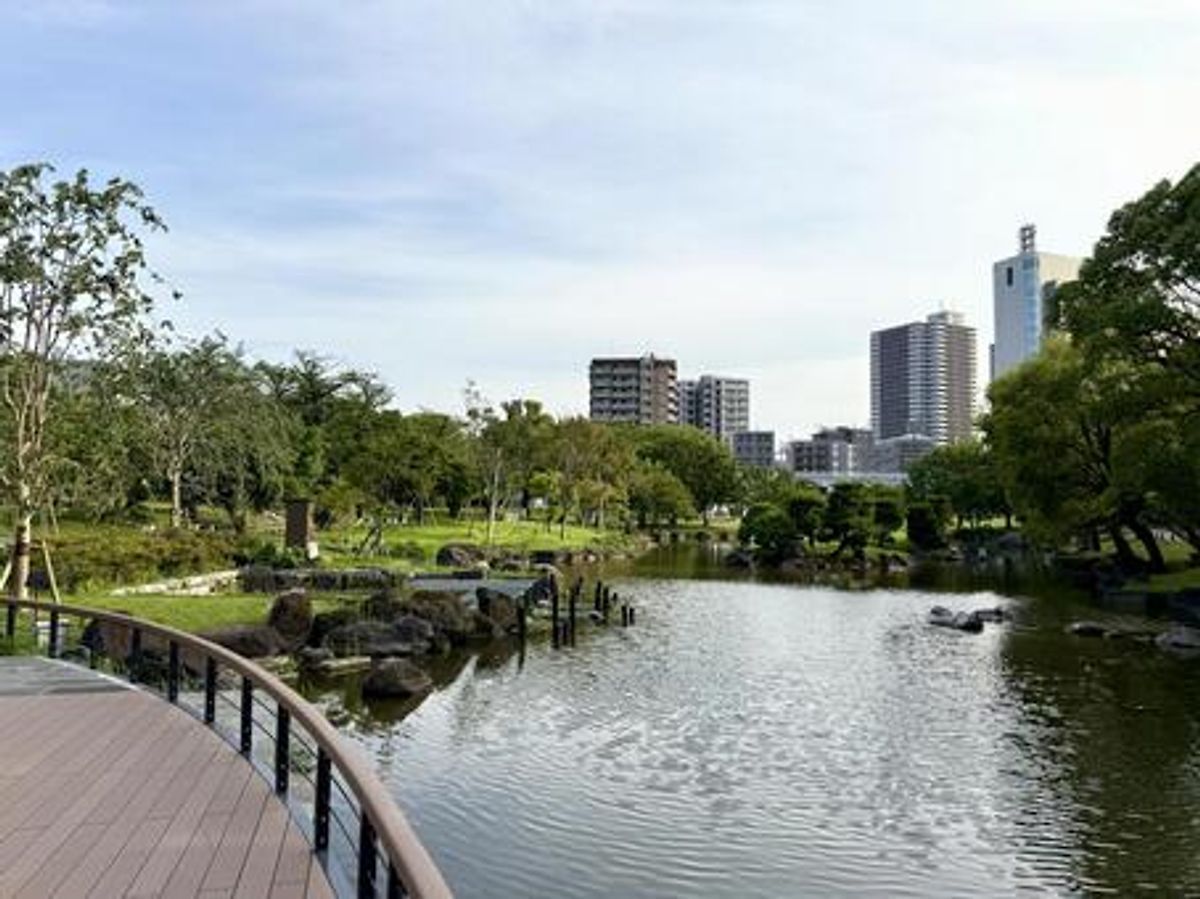
Sumida Park and Water Bus Pier
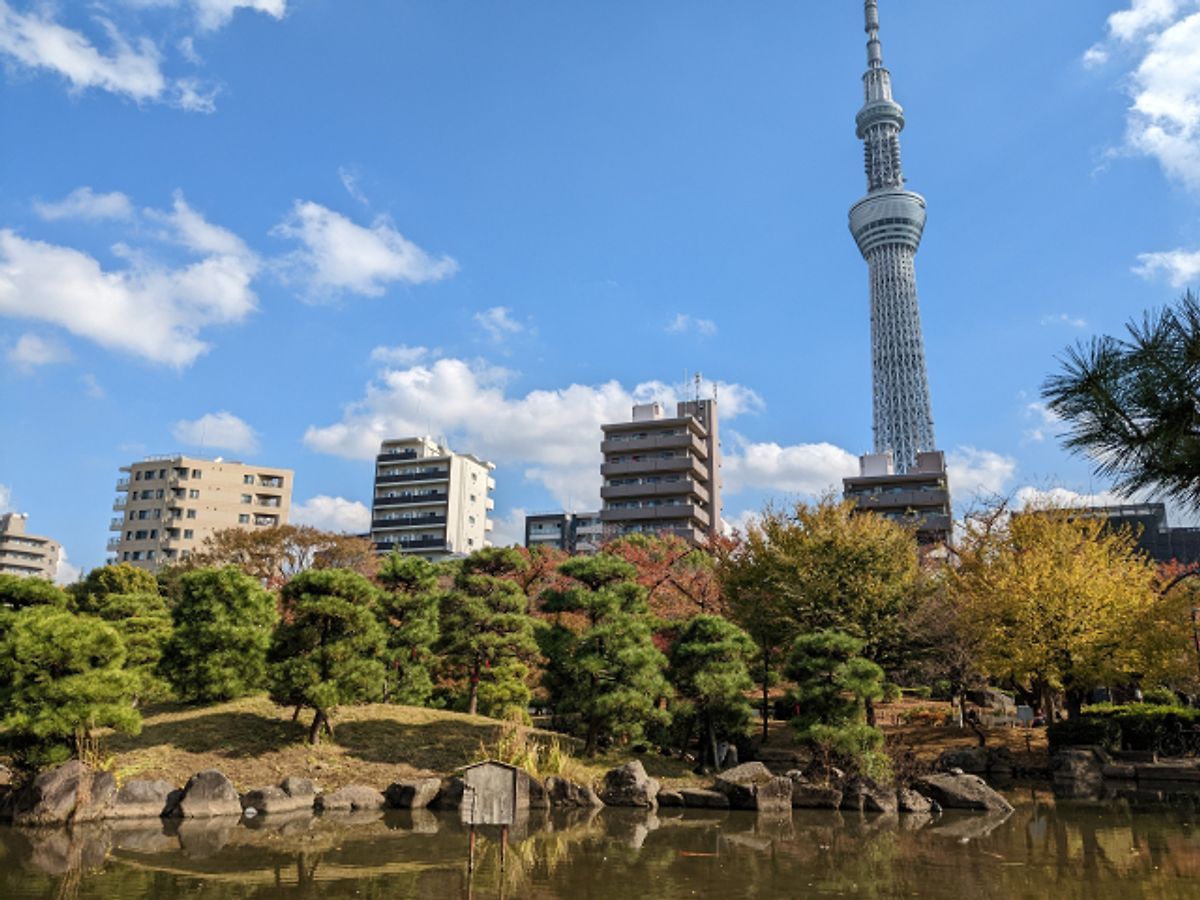
Tokyo Skytree
Where to Stay Near Senso-ji Temple and Kaminarimon: Top Value Hotels Around Asakusa Station
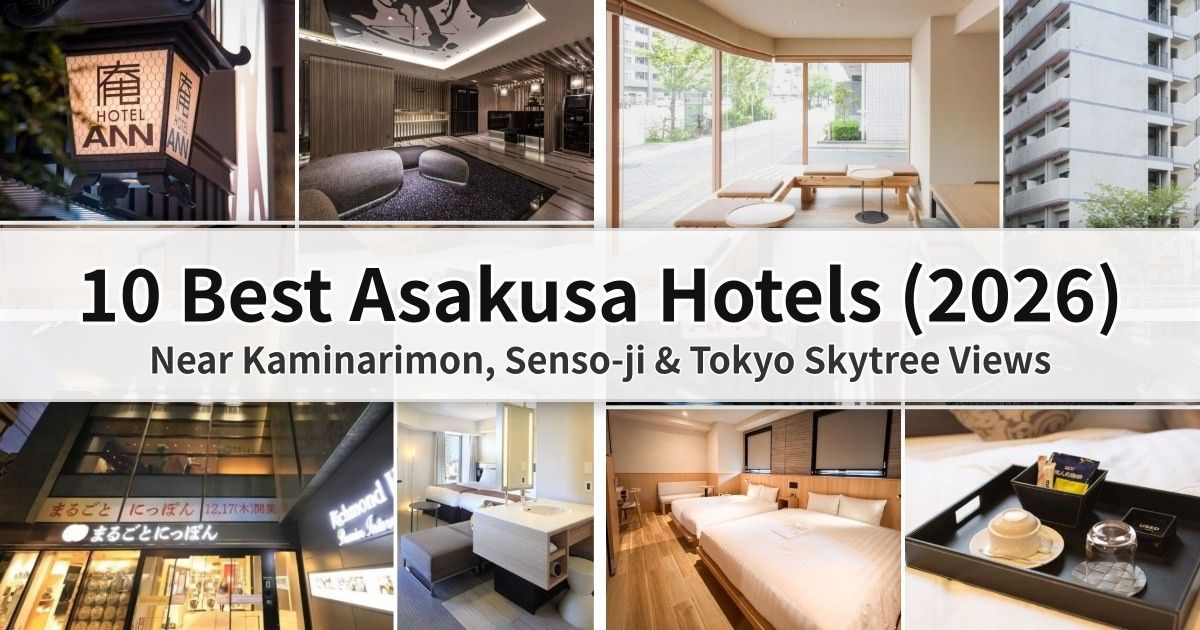
When it comes to popular accommodation areas for a Tokyo vacation, Asakusa stands out as an all-time favorite. If you are exploring other major hubs, be sure to check our guide to Shinjuku hotels. Blending timeless Edo-period charm around Kaminarimon Gate, Senso-ji Temple, and Nakamise Shopping Street with modern icons like the towering Tokyo Skytree, this neighborhood offers an unforgettable contrast of traditions and contemporary flair. For first-time visitors or travelers looking to balance stellar transit access with an authentic cultural vibe, choosing the right asakusa hotels is the secret to a seamless itinerary.
Hotel Name | Best For | Location & Access Highlights | Price Range | Trade-offs |
Travelers seeking top-floor night views and premier location | Adjacent to Kaminarimon and Senso-ji, ~3 min walk to Asakusa Station | From ~US$81 per night | High demand requires early booking | |
Family trips & unobstructed Skytree views | Near Tsukuba Express Asakusa Station, ~10 min walk to Senso-ji | From ~US$116 per night | Slightly further from the Ginza subway line | |
Families & seniors wanting station-front convenience | Directly opposite Tobu Asakusa Station, under 1 min walk | From ~US$80 per night | Popular room types book out quickly | |
Traditional Japanese ambiance & quiet stays | Near Hanakawado area, ~4 min walk to Asakusa Station | From ~US$80 per night | Compact rooms best suited for light packers | |
Budget travelers valuing high value & clean business rooms | Near Tsukuba Express Asakusa Station | From ~US$50 per night | ~8-10 min walk to Senso-ji Temple |
Asakusa Temple History: The Legend Before Your Visit
The Origin of Senso-ji: The Hinokuma Brothers and the Kannon Statue
Senso-ji's history dates back to 628 AD (the 36th year of Empress Suiko's reign). According to temple records, two fisherman brothers (Hinokuma Hamanari and Takenari) cast their nets into the Sumida River and hauled out a golden statue of Kannon Bodhisattva. The local village head recognized the sacred nature of the image and converted his residence into a temple to enshrine it, marking the birth of Senso-ji. This millennium-old legend infuses Tokyo's oldest temple with profound folk religious heritage.
From Tokugawa Patronage to Modern Tokyo Landmark
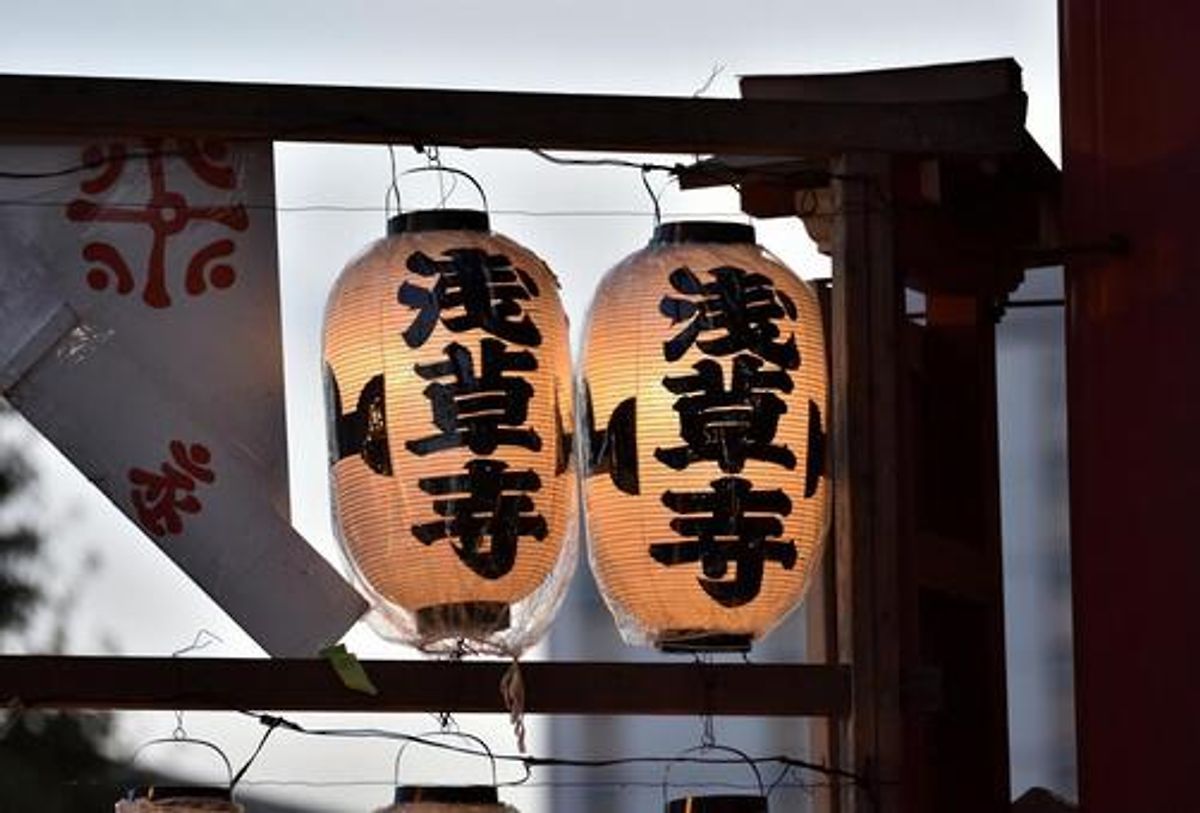
During the Edo period, Tokugawa Ieyasu designated Edo as the capital and appointed Senso-ji as the personal prayer temple of the Tokugawa clan, granting extensive land and construction support. The surrounding district rapidly evolved into Edo's most bustling entertainment and religious center, laying the foundation for Nakamise Shopping Street. Though damaged during World War II, the temple was meticulously rebuilt through the dedication of citizens and devotees, becoming the legendary Tokyo landmark bridging past and present that we see today.
Conclusion: Launch Your Perfect Asakusa Temple Day Trip
The secret to a fulfilling and seamless Asakusa Temple and Kaminarimon day trip lies in beating the crowds early, utilizing station-front transit routes, and pinpointing top local foods and souvenirs. Whether you are a first-time visitor admiring Kaminarimon or seeking a high-value hotel stay, following this guide ensures a smooth journey through Edo-era streets. Check accommodation rates, plan your early-morning temple visit, and set out to experience classic Tokyo charm!