Hakone Shrine Guide 2026: Peace Torii Photos, Transport, Three-Shrine Pilgrimage & Food
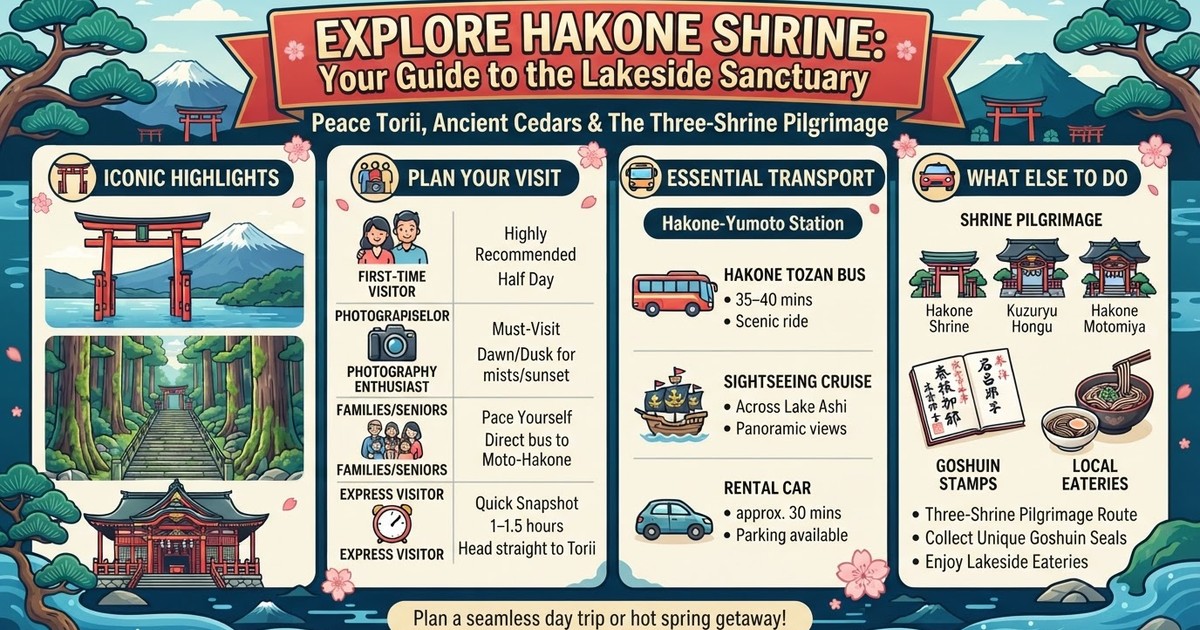
When visiting Hakone in the greater Tokyo area, Hakone Shrine on the shores of Lake Ashi stands out as an absolute highlight of any itinerary. Whether you are drawn by the iconic Peace Torii rising straight out of the water, the solemn atmosphere of the ancient cedar tree avenue, or the rewarding three-shrine pilgrimage linking Kuzuryu Shrine Hongu and mountaintop Hakone Motomiya, this sacred site radiates timeless spiritual charm. This comprehensive guide breaks down essential transportation tips, optimal photography hours, goshuin stamp details, and popular nearby eateries so you can plan a seamless, stress-free day trip or hot spring getaway!
* Some links in this article are affiliate links. If you purchase through them, we may earn a small commission at no extra cost to you. Thank you for your support!
Hakone Shrine: Lakeside Sanctuary, Ancient Cedars & Three-Shrine Pilgrimage
Perched where the lush forests of Mount Hakone meet Lake Ashi, Hakone Shrine has served for centuries as a vital spiritual stronghold where samurai prayed for safe voyages and military fortune. More than just a scenic photo spot, it is a profound sanctuary blending magnificent mountain-and-lake landscapes with traditional Shinto culture. The shrine grounds encompass towering cedar approach paths, the majestic main hall, a treasure house, and the famous lakeside torii gate. Understanding each zone's highlights makes trip planning efficient and rewarding.
Peace Torii and Lakeside Worship Core
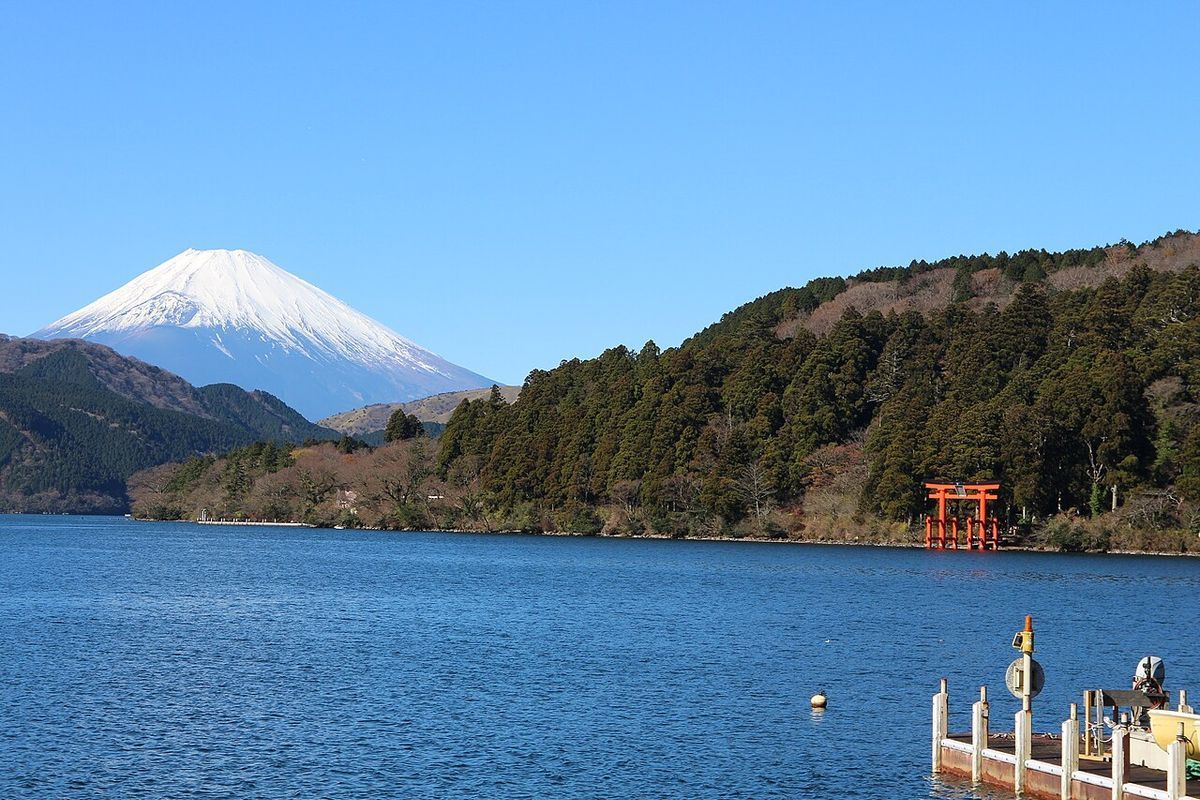
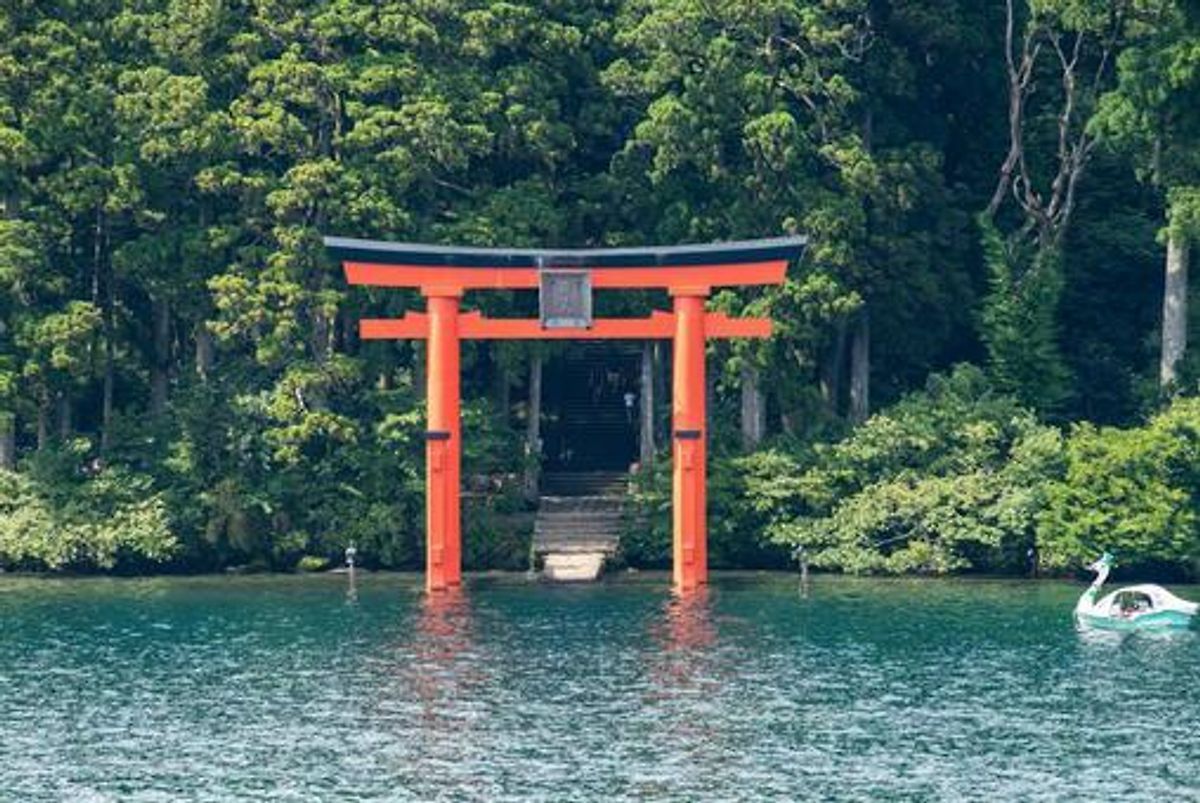
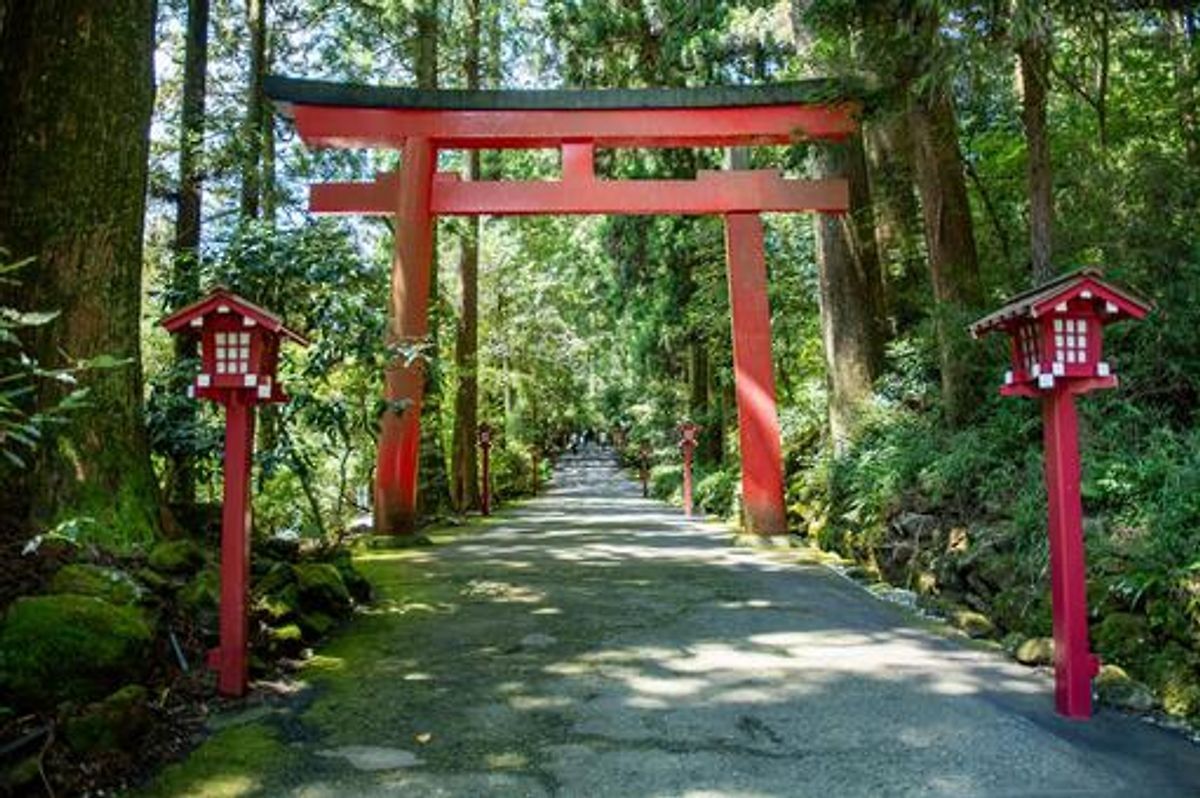
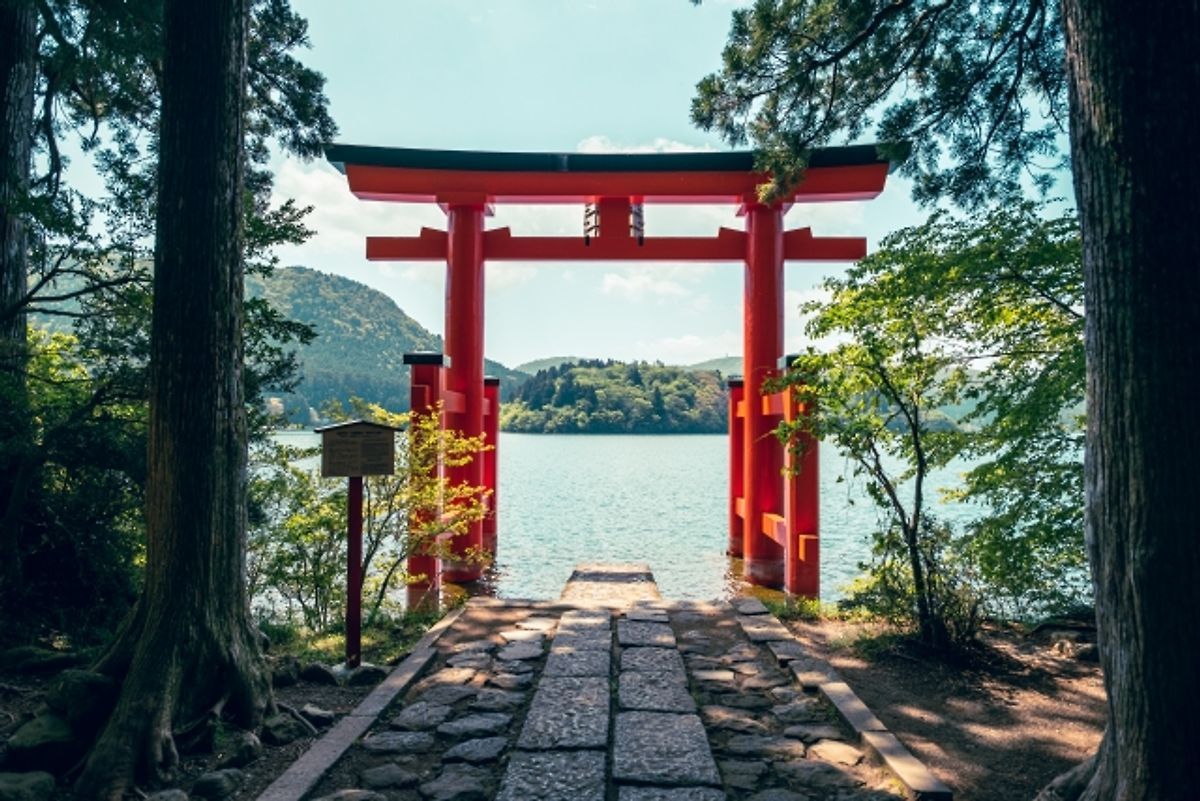
- ■ Peace Torii sits right on the edge of Lake Ashi, its vivid red pillars rising directly from the water to frame a breathtaking postcard view against the surrounding mountains.
- ■ The main shrine precinct offers a tranquil environment flanked by centuries-old sacred cedars, where strolling beneath the canopy invites deep spiritual reflection.
Three-Shrine Pilgrimage and Mountaintop Okumiya
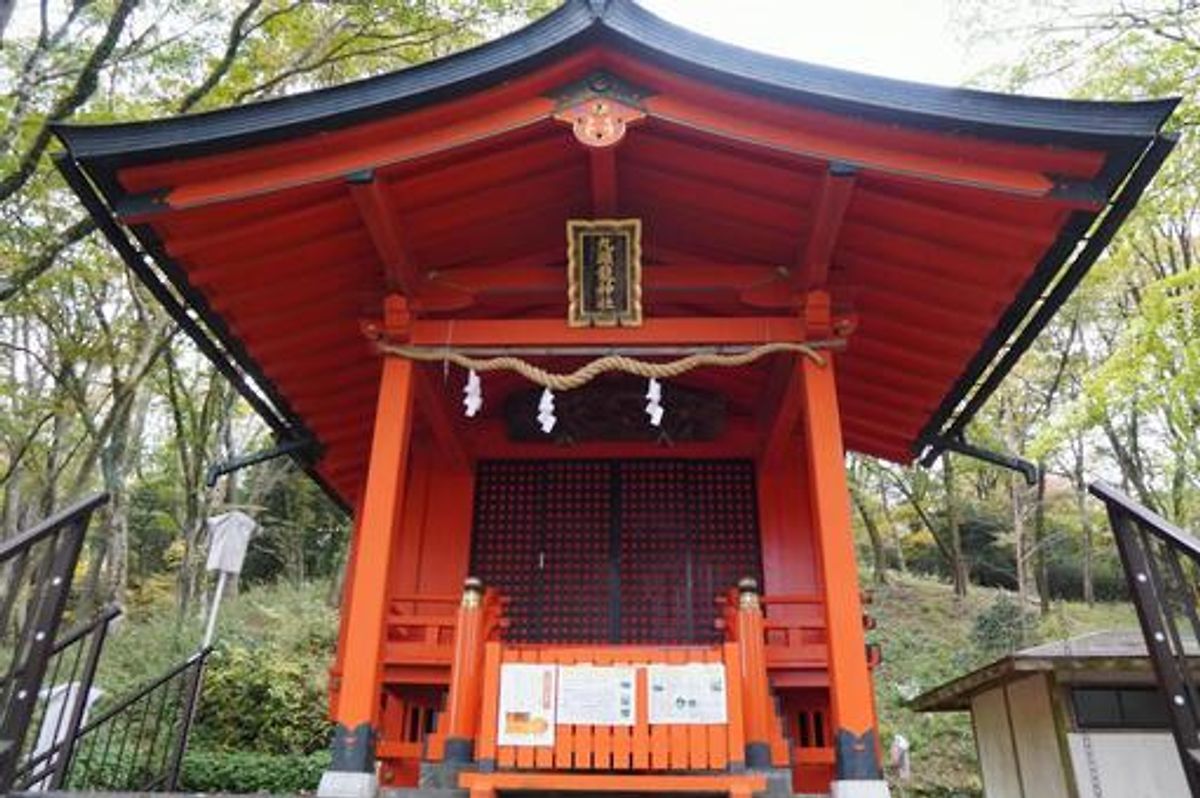
- ■ Beyond the main hall, the connected Kuzuryu Shrine Hongu and mountaintop Hakone Motomiya complete the revered Hakone three-shrine pilgrimage route.
- ■ Travelers looking to immerse themselves fully in Hakone's spiritual heritage can dedicate half a day or a full day to exploring both lakeside and alpine shrines for an unforgettable contrast of mountain and lake vistas.
Hakone Shrine: Is It Worth Visiting?
With countless attractions scattered across Hakone, deciding whether to squeeze hakone shrine into a tight schedule can be tricky. Use the quick reference table below to evaluate your interests and time constraints.
Interest / Time | Verdict | Suggested Approach | Things to Keep in Mind |
First-time visitor to Hakone | Highly Recommended | Allocate half a day to explore the main hall and photograph the Peace Torii | Weekends get extremely crowded; photo queues can reach 30–60 minutes |
Photography enthusiast | Must-Visit | Arrive at dawn or dusk to capture morning mists or sunset hues over the lake | Watch out for late afternoon bus schedules as mountain nights fall quickly |
Traveling with seniors or children | Pace Yourself | Take a direct bus to Moto-Hakone to minimize walking and uphill climbs | Stone steps are plentiful and can get slippery in rainy weather |
Pressed for time / Express visitor | Quick Snapshot | Keep visits to 1–1.5 hours and head straight to the lake torii gate | Skip the photo queue and admire the torii from a distance |
Hakone Shrine: Transportation & Bus Transfer Guide
The primary gateway to hakone shrine is Hakone-Yumoto Station, where the vast majority of visitors transfer to public transit.
Travel Scenario | Route | Pass / Duration | Luggage & Transfer Notes |
Most Common Route | Take the Hakone Tozan Bus (bound for Moto-Hakone) and alight at 'Moto-Hakone' or 'Hakone-jinja-iriguchi' | Approx. 35–40 minutes; covered by the | Buses get congested on weekend afternoons; depart early |
Lake Connection | Board a sightseeing pirate ship to 'Moto-Hakone Port' followed by a 10-minute walk | Scenic lakeside stroll with panoramic views | Keep track of the final pirate ship departure times |
Driving / Rental Car | Drive along National Route 1 toward Lake Ashi | Approx. 30 minutes; free parking lots available onsite | Parking fills up during peak seasons; morning arrival advised |
- ■ Peak Hour Advisory: Buses from Hakone-Yumoto toward Moto-Hakone fill up rapidly on weekends, so line up well before departure.
- ■ Luggage Storage: Store large suitcases at Hakone-Yumoto Station or your hotel beforehand for a lighter, more comfortable shrine visit.
- ■ Walking Distance: From the 'Moto-Hakone' bus stop, enjoy a pleasant 10-minute lakeside cedar-lined walk to the torii.
- ■ Maximize Your Pass: The Hakone Freepass grants unlimited rides on designated buses and sightseeing ships, making transit planning flexible.
Hakone Shrine: Admission, Hours, & Peace Torii Queue Strategy
hakone shrine is free to enter, but surrounding facilities and transport maintain specific operating hours. Proper time management helps bypass peak crowds.
Item | Details | Notes |
Admission Fee | Free general admission to the shrine grounds | Small separate fee applies for the Treasure House |
Shrine Precinct | Open 24 hours | Accessible anytime for prayer and quiet strolls |
Peace Torii Photos | Early morning or late afternoon recommended | Queue times can range from 30 minutes to 1 hour during peak periods |
Hakone Shrine Office | 09:00–16:30 | Location for purchasing amulets, goshuin stamps, and wooden plaques |
- ■ Crowd-Bypassing Tip: To photograph the Peace Torii completely empty, arrive before 8:00 AM. Visiting around sunset offers magical golden hour reflections over the lake.
- ■ Goshuin Collection: Stop by the shrine office to request limited-edition goshuin stamps and original amulets, a favorite pursuit for stamp collectors.
Hakone Shrine: Half-Day & Three-Shrine Pilgrimage Itineraries
Depending on your available time, two distinct itineraries ensure a smooth, backtracking-free visit.
Classic Lakeside Half-Day Itinerary
Time / Slot | Stop | Recommended Duration | Connection & Tips |
09:30 AM | Depart Hakone-Yumoto Station via Tozan Bus | Approx. 40 minutes | Take an early bus to dodge crowds |
10:15 AM | Hakone Shrine main hall and cedar approach walk | Approx. 45 minutes | Solemn cedar groves perfect for photography |
11:00 AM | Queue for photos at the Peace Torii | Approx. 30–45 minutes | Iconic lake torii; adjust timing based on queue length |
12:00 PM | Moto-Hakone Port Dining & souvenir shopping | Approx. 1 hour | Sample local mochi or relax at a lakeside cafe |
This classic itinerary suits first-time visitors, families, and travelers on tighter schedules. From riding the bus and paying respects to capturing the iconic lake torii and wrapping up with lunch near Moto-Hakone Port, the pace remains lively yet unhurried. Clear signage and gentle footpaths make it accessible even for those who prefer light walking.
Three-Shrine Deep-Dive Pilgrimage Itinerary
Time / Slot | Stop | Recommended Duration | Connection & Tips |
09:00 AM | Hakone Shrine main hall and Peace Torii | Approx. 1 hour | Early morning means fewer crowds and efficient worship |
10:30 AM | Transfer via bus or boat to Kuzuryu Shrine Hongu | Approx. 1.5 hours | Check lake ferry timetables or forest walking trails |
12:30 PM | Ride the Komagatake Ropeway to Hakone Motomiya | Approx. 1.5 hours | Panoramic views of Lake Ashi and Mt. Fuji; dress warmly for alpine winds |
02:30 PM | Return to Moto-Hakone Port for afternoon tea & shopping | Approx. 1 hour | A wonderful finale to an enriching three-shrine pilgrimage |
Designed for Shinto culture enthusiasts and energetic travelers wanting to conquer all three hakone shrine sites, this deep-dive route transitions from lakeside tranquility to deep forest shrines and finally up to sweeping alpine vistas.
Around Tokyo Travel Tickets · Latest Deals✨
Hakone Shrine: Key Shrine Sites (Lake Torii, Cedar Avenue, Alpine Okumiya)
Hakone Shrine Main Hall and Treasure House
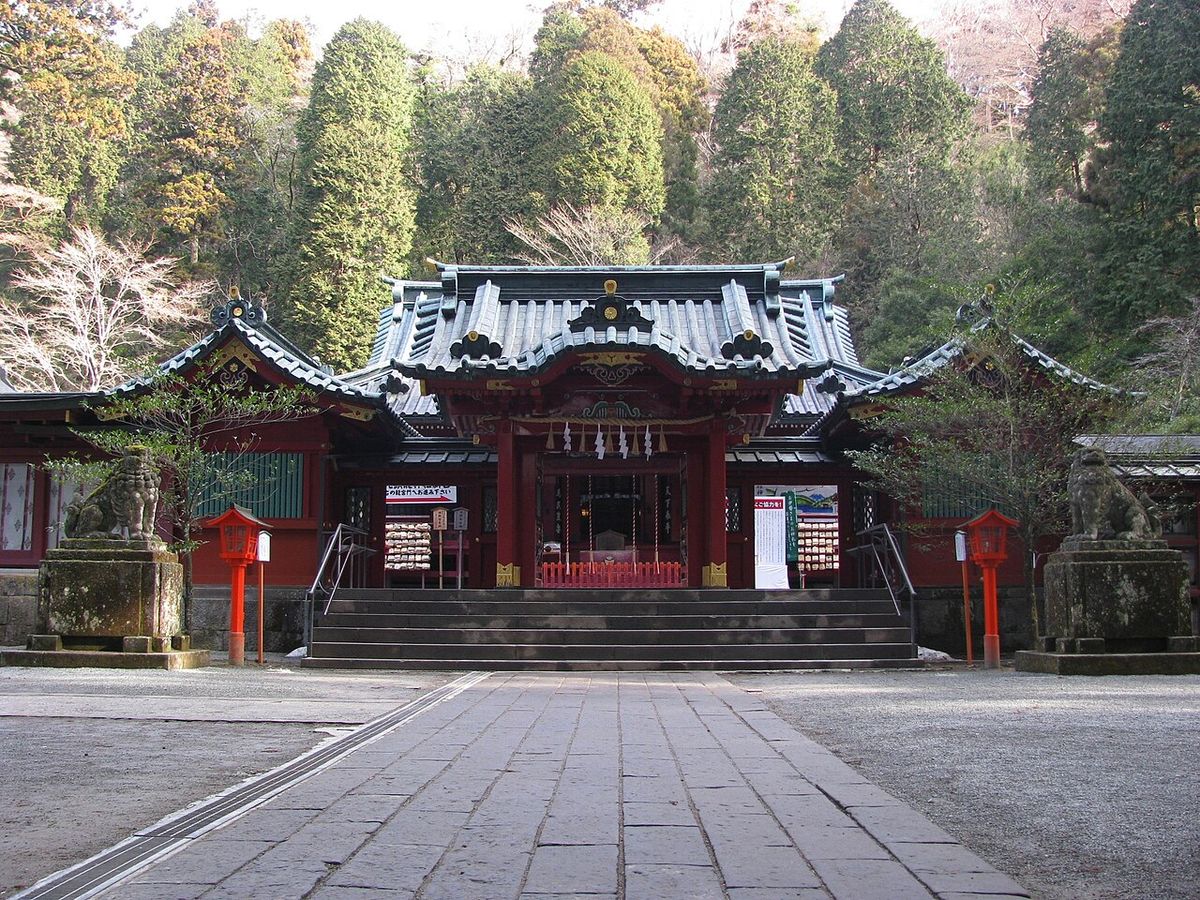
📍 Location: A 10-minute walk uphill along stone steps from the Moto-Hakone bus stop ()
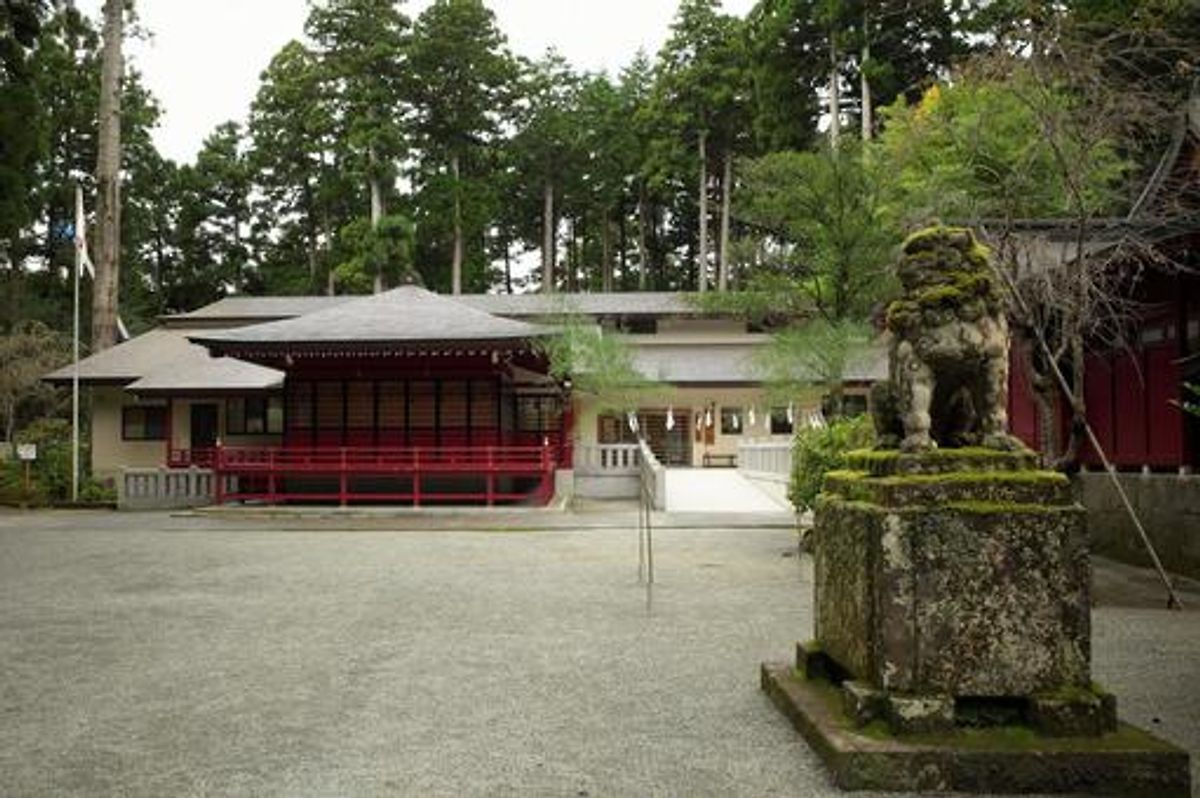
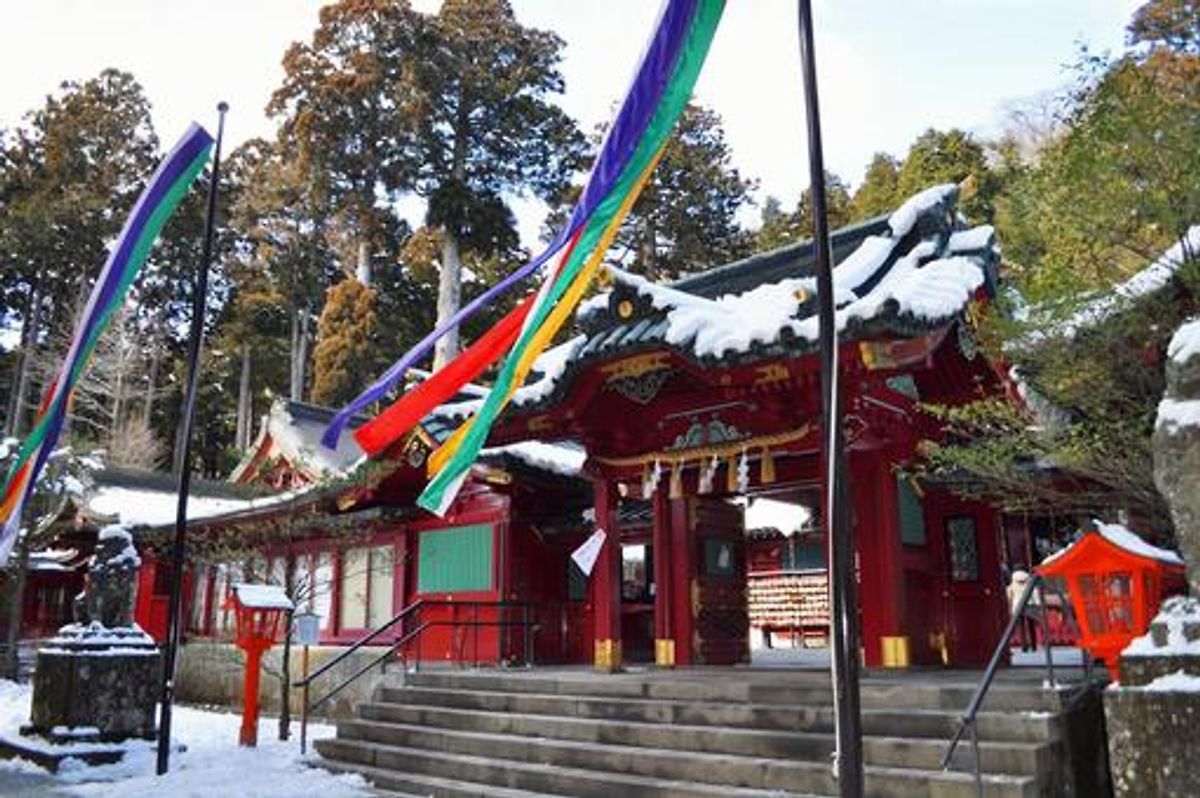
Hakone Shrine's grand main hall features striking vermilion pillars that contrast sharply against the surrounding greenery. Guarding the Hakone mountains for centuries, it offers a serene, fragrant atmosphere scented with subtle incense and cedar. The adjacent Treasure House houses rare historical documents and cultural artifacts, offering a glimpse into the shrine's millennium-long legacy.
✨ Highlights
- ■ Imposing vermilion main hall inspiring deep peace during prayer.
- ■ Towering centuries-old sacred cedars lining the approach path.
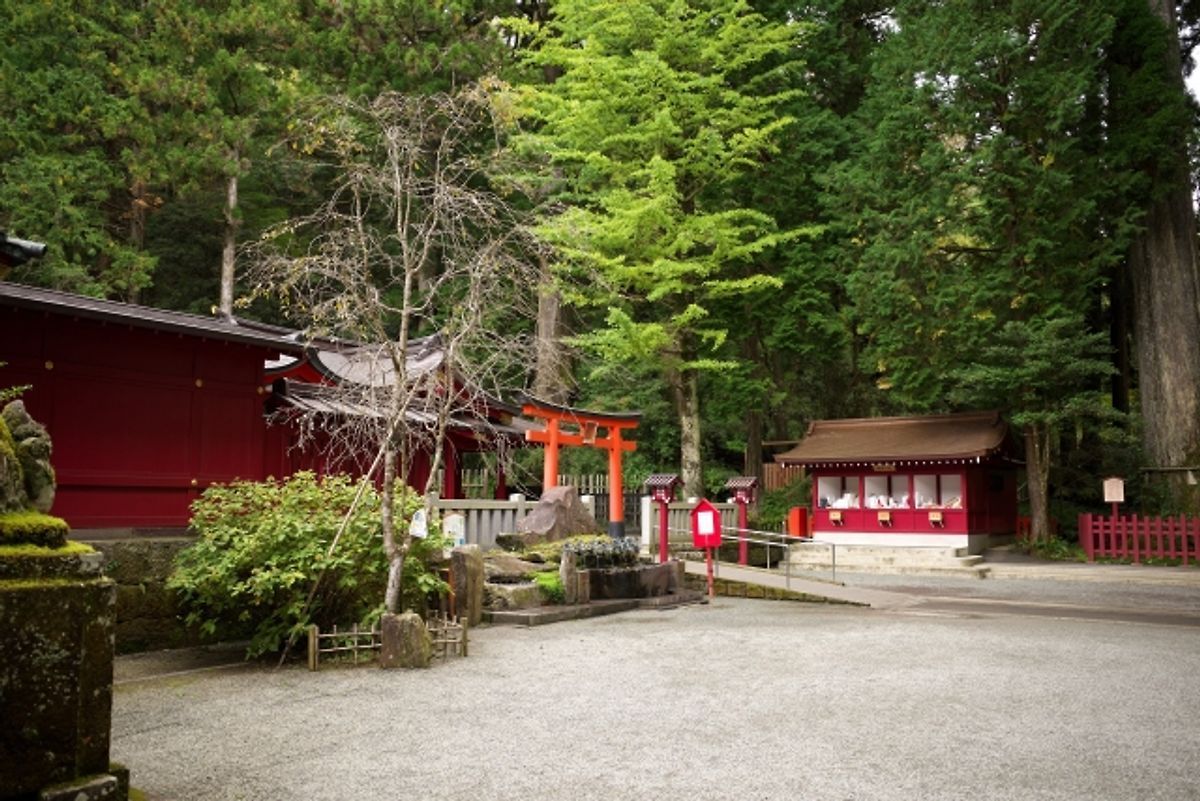
- ■ Exquisite stone lanterns and pure spring water basins showcasing classic Shinto aesthetics.
Peace Torii
⏳ Recommended Duration: Approx. 30 to 60 minutes (including photo queue time)
📍 Location: At the edge of Lake Ashi, a short walk down from the main hall ()
Rising out of glittering Lake Ashi, the Peace Torii forms one of Hakone's most recognizable postcard vistas. On calm days, the red gate mirrors perfectly against the mountains, drawing eager travelers into line for memorable snapshots. Whether bathed in bright midday sunlight or glowing in warm amber dusk, this landmark never fails to captivate.
✨ Highlights
- ■ Giant red torii standing directly in the water—one of Japan's most photogenic spots.
- ■ Gentle lake breezes and passing sightseeing boats adding dynamic motion to the scene.
- ■ Patience required in the queue; watch your footing on damp lakeside stones.
Kuzuryu Shrine Hongu
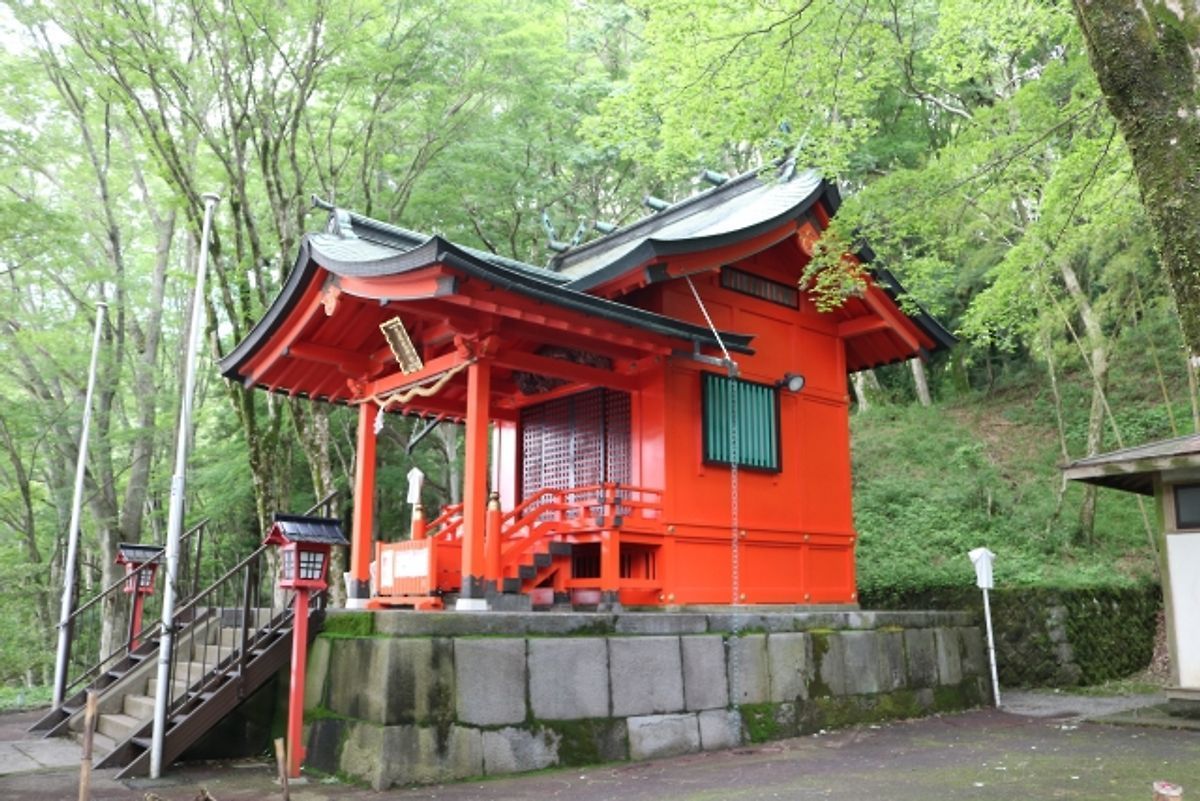
⏳ Recommended Duration: Approx. 45 to 60 minutes
📍 Location: Deep within the Hakone forest along Lake Ashi; reachable on foot or via lake transit from Moto-Hakone ()
Tucked away among quiet lakeside woods, Kuzuryu Shrine Hongu is a mystical stop on the pilgrimage. Dedicated to the dragon deity governing romance and financial prosperity, it is surrounded by soaring trees and calm waters. Though secluded, its tranquil ambiance rewards every visitor who makes the journey.
✨ Highlights
- ■ Intimate lakeside shrine building exuding a primitive, mystical spiritual vibe.
- ■ Easy, scenic forest walking trails offering gorgeous glimpses of Lake Ashi.
- ■ Famed spiritual power spot for love and fortune, drawing dedicated pilgrims.
Hakone Motomiya
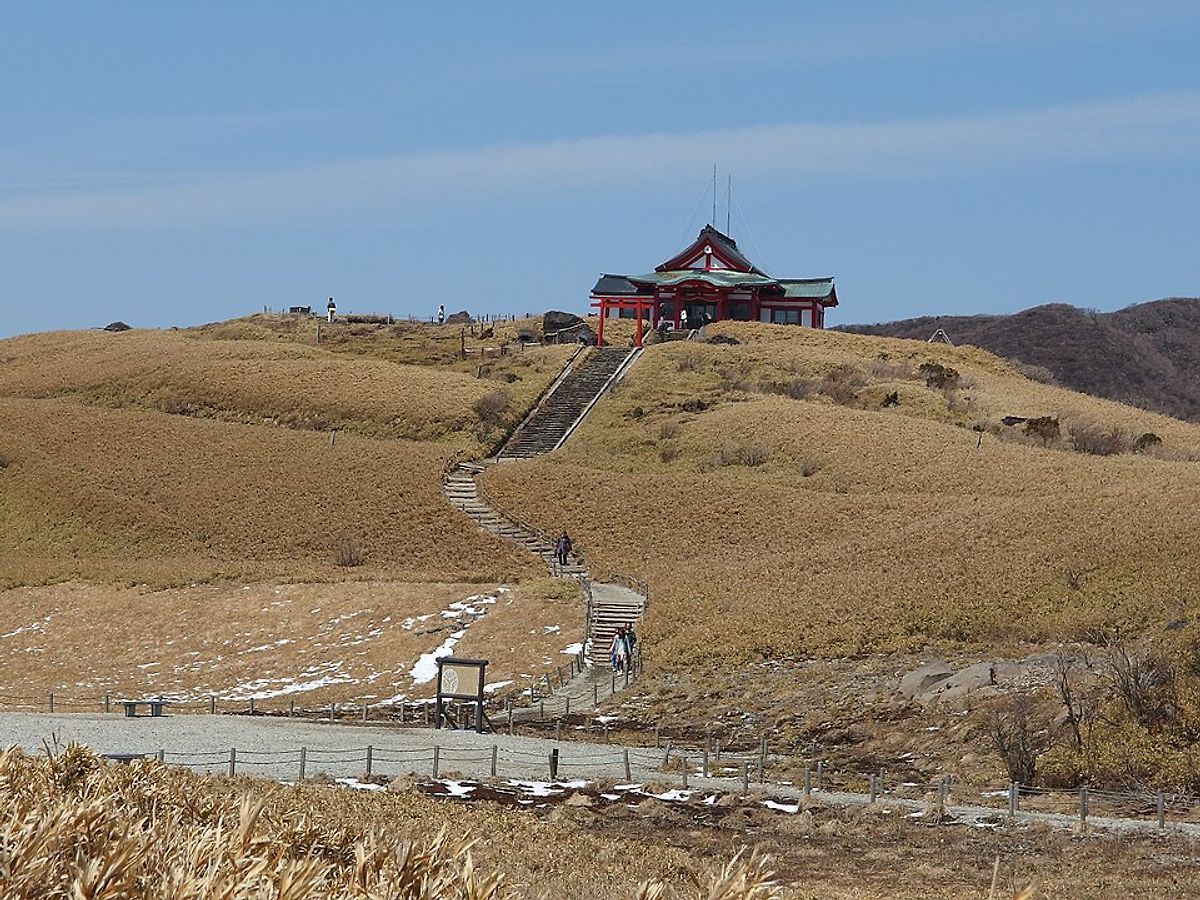
⏳ Recommended Duration: Approx. 1 hour (including ropeway ride)
📍 Location: At the summit of Mount Komagatake, accessible via the Komagatake Ropeway ()
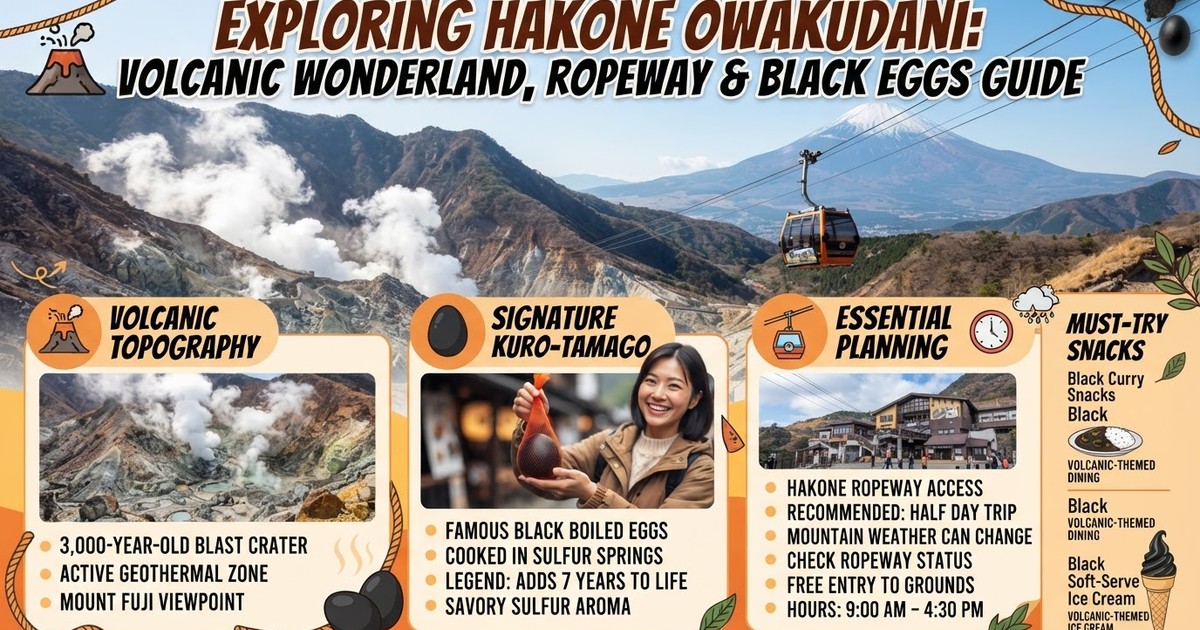
Perched atop Mount Komagatake, Hakone Motomiya serves as the inner sanctuary (Okumiya) of Hakone Shrine. High elevation grants 360-degree panoramic views over Lake Ashi and, on clear days, majestic Mount Fuji. Drifting mountain clouds give the mountaintop an ethereal, otherworldly feel.
✨ Highlights
- ■ Unique mountaintop shrine architecture surrounded by sweeping skies and peaks.
- ■ Scenic Komagatake Ropeway ride delivering an exhilarating aerial experience.
- ■ Pristine alignment of Mt. Fuji and Lake Ashi on clear weather days.
Ryujin Mizusha (Dragon Water Basin)
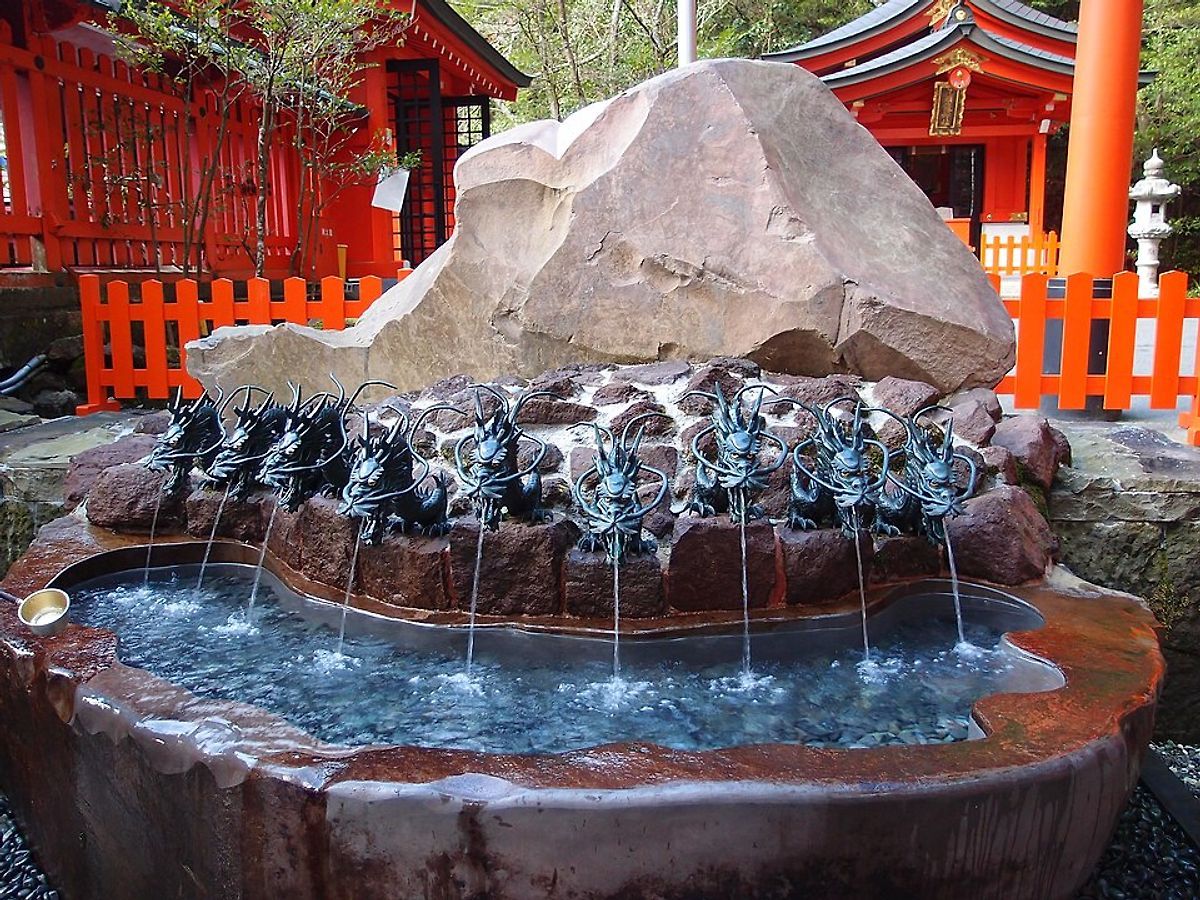
⏳ Recommended Duration: Approx. 15 to 20 minutes
📍 Location: Directly ahead and to the right of the main hall, near the purification basin and 4th torii
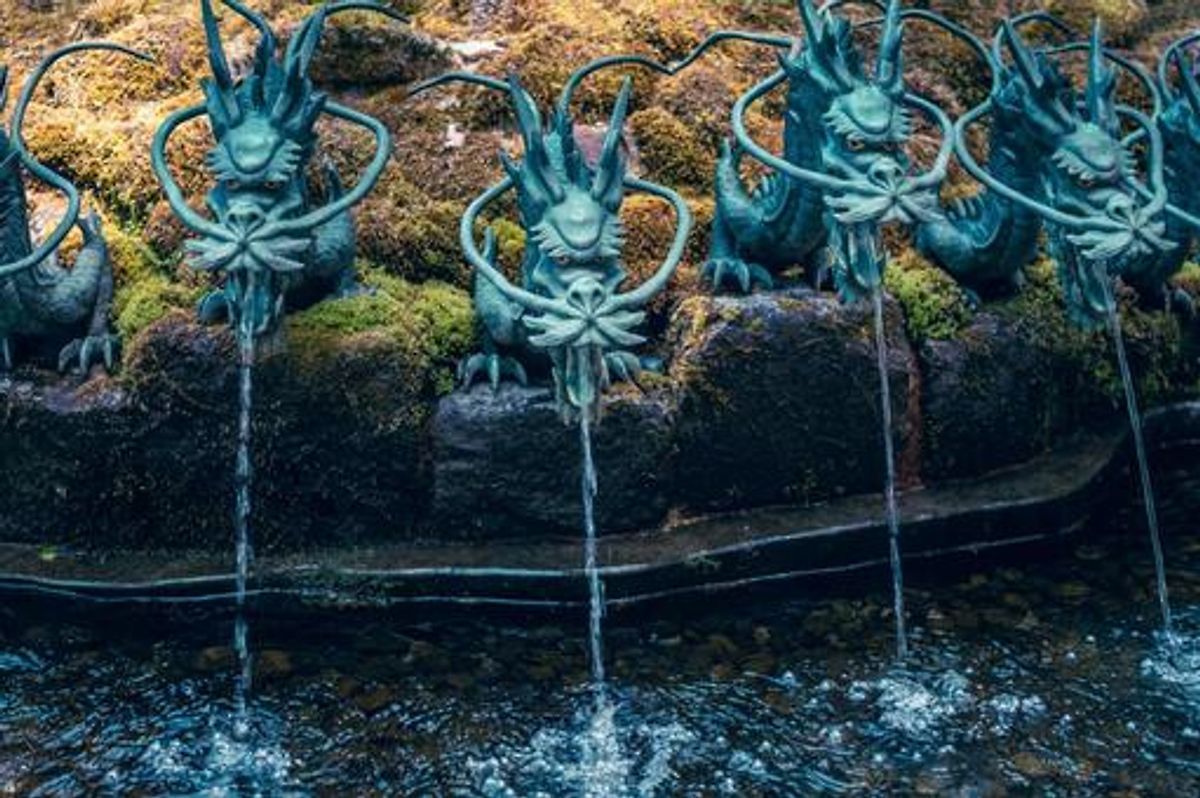
Positioned near the main hall, Ryujin Mizusha is a highly revered water pavilion. Here, natural spring water pours continuously from nine intricately carved dragon mouths. Believed to originate from pristine Mount Hakone springs, this 'dragon water' is said to purify body and soul while washing away misfortune. Visitors cleanse their hands and mouths following tradition, and many bring empty bottles or purchase special containers at the shrine office to take the sacred water home.
✨ Highlights
- ■ Nine dragon spouts gushing pure spring water imbued with powerful purifying energy.
- ■ Tradition of washing hands and drinking to clear impurities and elevate fortune.
- ■ Special souvenir bottles available at the shrine office for carrying holy water home.
Kuzuryu Shrine Shinguten (New Shrine)
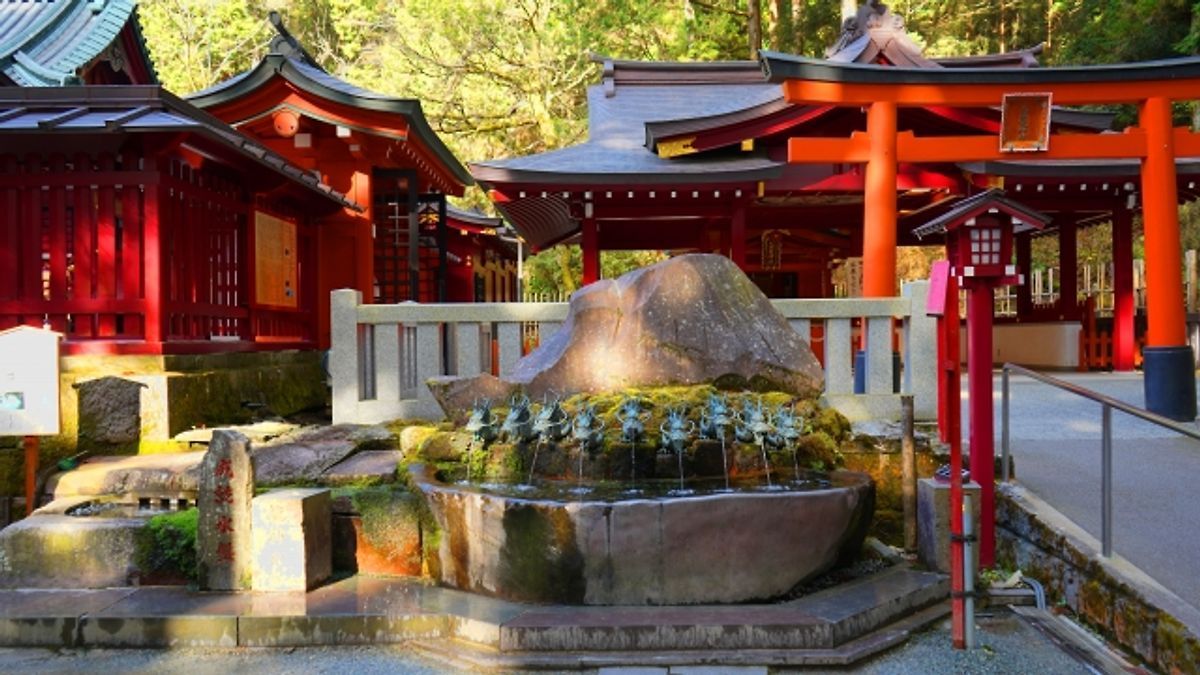
⏳ Recommended Duration: Approx. 15 to 20 minutes
📍 Location: On the right side of the main Hakone Shrine grounds, near the Ryujin Mizusha
Because the original Kuzuryu Shrine Hongu is tucked away in the deep forest of Lake Ashi, this branch shrine was established within the main Hakone Shrine grounds for convenient access. Dedicated to the same dragon deity of water, wealth, and romance, it hosts lively monthly rituals on the 13th of each month. Combining your visit here with purification at Ryujin Mizusha completes a powerful prayer ritual.
✨ Highlights
- ■ Accessible branch shrine honoring the dragon deity without requiring a long trek.
- ■ Popular power spot dedicated to love, matchmaking, and financial prosperity.
- ■ Conveniently located right next to the main hall and water basin.
Anzan Sugi & Yatate no Sugi (Sacred Cedars)
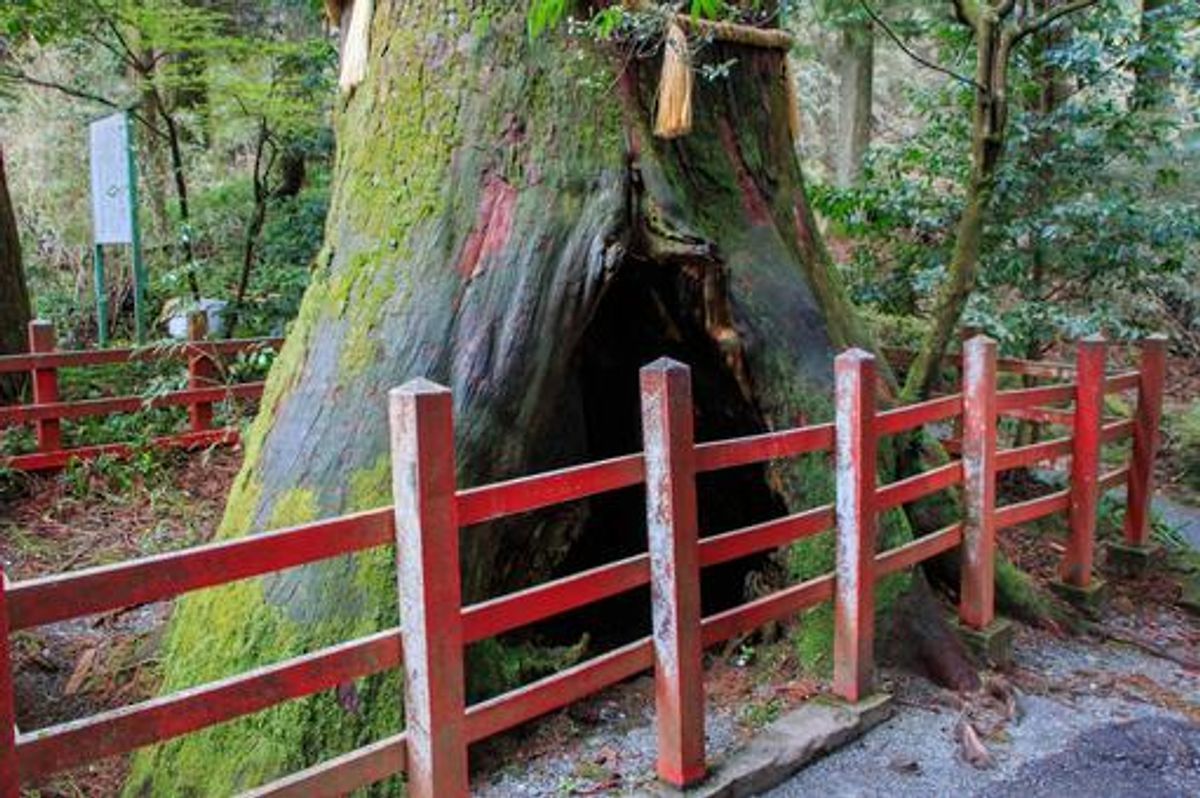
⏳ Recommended Duration: Approx. 20 to 30 minutes
📍 Location: Near the main hall and along the ancient cedar approach path
Two legendary sacred trees—Anzan Sugi and Yatate no Sugi—stand proudly within the shrine grounds. Legend holds that Kamakura-period shogun Minamoto no Yoritomo and his wife Hojo Masako prayed here for safe childbearing, making Anzan Sugi a revered symbol for family prosperity and smooth childbirth. Nearby Yatate no Sugi echoes samurai victory legends with its thick trunk and weathered branches. Strolling among these ancient trees offers a deep connection to nature and history.
✨ Highlights
- ■ Historic sacred cedar tree traditionally prayed to for safe childbirth and domestic harmony.
- ■ Yatate no Sugi connected to ancient samurai folklore and mountain faith.
- ■ Forest air brimming with negative ions for a restorative stroll.
Hakone Shrine: Amulets & Goshuin (Yosegi-zaiku Amulets & Three-Shrine Stamps)
Hakone Yosegi-zaiku Amulets
- ■ Crafted using Hakone's traditional marquetry woodcraft (yosegi-zaiku), these amulets showcase natural wood tones and geometric patterns unique to the region.
- ■ The 'Happiness Amulet' and 'Harmony Amulet' serve as tangible talismans while celebrating centuries of local woodwork artistry.
Hakone Shrine & Kuzuryu Shrine Goshuin
- ■ Hakone Shrine offers dedicated goshuin stamps for the main hall, Kuzuryu Shrine, and Hakone Shichifukujin Ebisu.
- ■ Delicate calligraphy and unique shrine seals preserve the sacred journey across Hakone's lakeside sanctuaries.
Hakone Shrine: Festivals (Lake Summer Festival & Monthly Rites)
Lake Ashi Summer Festival (July 31)
Marking the grand kickoff of the Ashinoko Summer Festival Week, this celebration traces back to a Nara-period legend where Shaman Mangan pacified the nine-headed dragon of Lake Ashi. Priests ride a ceremonial offering boat to the center of the lake to present special red rice (gugu). As night falls, a dazzling lake fireworks display illuminates the festive lakeside.
Kuzuryu Shrine Monthly Festival (13th of Every Month)
Every month on the 13th, Kuzuryu Shrine Hongu hosts its most anticipated sacred rite. Special pilgrimage boats operate from Moto-Hakone Port across the lake directly to the forest shrine. Following the 10:00 AM ceremony, shrine doors open for close-up prayers. Visiting Hakone on the 13th offers a rare chance to experience this vibrant monthly ritual firsthand!
Hakone Shrine: Practical Tips
- ■ Weather Shifts: Mountain weather in Hakone changes fast; sudden showers or strong winds are common near the lake, so pack a light windbreaker and compact umbrella.
- ■ Footwear Matters: Stone steps and forest paths can be uneven and slippery in the rain, so sturdy walking shoes or sneakers are essential.
- ■ Payment Methods: While the shrine office and nearby tea houses accept cash and select electronic payments, carrying some cash is recommended.
- ■ Pace Yourself: If tackling the three-shrine pilgrimage, gauge your physical stamina and transit timetables carefully.
Hakone Shrine Dining Recommendations (Chaya Mochi & Lakeside Cafes)
After exploring the shrine, refuel at these three popular spots within walking distance.
Gongen Karamemochi Tea House
💰 Price Range: Approx. ¥1000–2000 per person
📍 Address: 80-1 Motohakone, Hakone, Ashigarashimo District, Kanagawa 250-0522, Japan (approx. 2-minute walk from Hakone Shrine) ()
⏳ Business Hours: 10:00–16:00
✨ Must-Try: Freshly pounded mochi, green tea, sweet red bean soup
Situated right by the shrine grounds, this traditional tea house is the ideal post-worship rest stop. They serve freshly made mochi tossed in savory sauces or sweet red bean paste, paired with hot Japanese green tea to melt away travel fatigue. The wooden rustic interior overlooks lush greenery.
✨ Highlights
- ■ Freshly made mochi with soft, chewy textures and rich savory-sweet sauces.
- ■ Warming Japanese tea to relax after walking the grounds.
- ■ Unbeatable proximity right next to the shrine.
Ashinoko Terrace
💰 Price Range: Approx. ¥2000–3000 per person
📍 Address: Japan, 〒250-0522 Kanagawa, Ashigarashimo District, Hakone, Motohakone, 61 Ashinoko Terrace (approx. 10-minute walk from Hakone Shrine) ()
⏳ Business Hours: 11:00–18:45 (Sat & Sun 09:00–18:45)
✨ Must-Try: Wood-fired artisanal pizzas, handmade pasta, seasonal salads
A stylish lakeside dining complex featuring bright interiors and open-air terraces. Enjoy wood-fired pizzas and pasta while gazing across sparkling Lake Ashi. It is a fantastic spot for visitors craving western cuisine in a relaxed setting.
✨ Highlights
- ■ Splendid lake views from the outdoor terrace dining area.
- ■ Wood-fired pizzas and authentic pasta made to order.
- ■ Spacious, modern design contrasting nicely with traditional sights.
Bakery & Table Hakone
💰 Price Range: Approx. ¥1000–2000 per person
📍 Address: Japan, 〒250-0522 Kanagawa, Ashigarashimo District, Hakone, Motohakone, 9-1 (near Moto-Hakone Port, approx. 10-minute walk from the shrine) ()
⏳ Business Hours: 09:00–17:00
✨ Must-Try: Footbath counter freshly baked bread, specialty burgers, hand-drip coffee
A wildly popular bakery cafe featuring an outdoor footbath seating area on the ground floor. Soak your feet in warm hot spring water while enjoying freshly baked bread and coffee with panoramic lake views. Upper floors offer scenic dining rooms.
✨ Highlights
- ■ Rare footbath bakery experience overlooking Lake Ashi.
- ■ Daily assortment of sweet and savory artisan breads.
- ■ Ideal transit pitstop right next to Moto-Hakone Port.
Hakone Shrine: Nearby Attractions (Lake Ashi Sightseeing)
Extend your Hakone trip with these nearby Lake Ashi highlights.
Hakone Sightseeing Cruise (Pirate Ships)
Cruising Lake Ashi aboard European-style pirate ships is a classic Hakone experience. Sailing between Moto-Hakone Port, Hakone-machi Port, and Togendai Port offers stunning lake perspectives of the Peace Torii and Mt. Fuji.
Narukawa Art Museum
Perched on the hills above Moto-Hakone Port, this museum showcases modern Japanese paintings alongside a 180-degree panoramic observation lounge framing Lake Ashi, the torii gate, and distant mountain ranges.
Hakone Sekisho (Checkpoint)
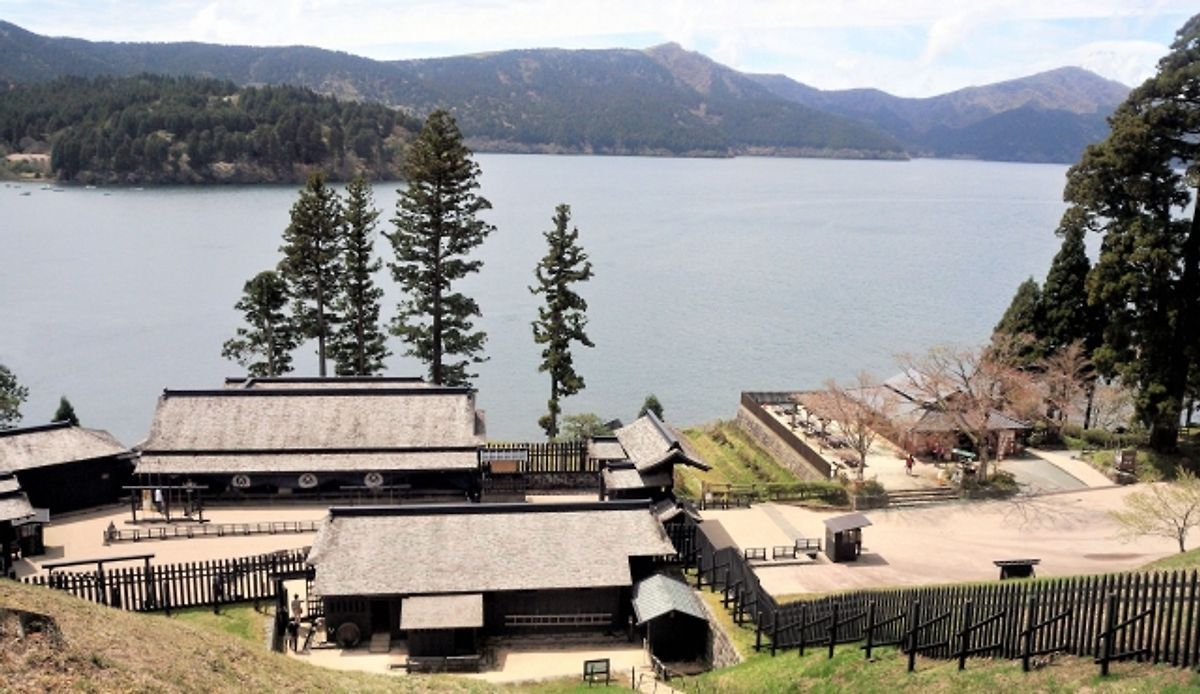
Located near Hakone-machi Port, this reconstructed Edo-period checkpoint recreates the guardhouses and surveillance gates used by the Tokugawa shogunate to control traffic along the historic Tokaido highway.
Hakone Accommodation: Top Onsen Ryokan & Hot Spring Hotels
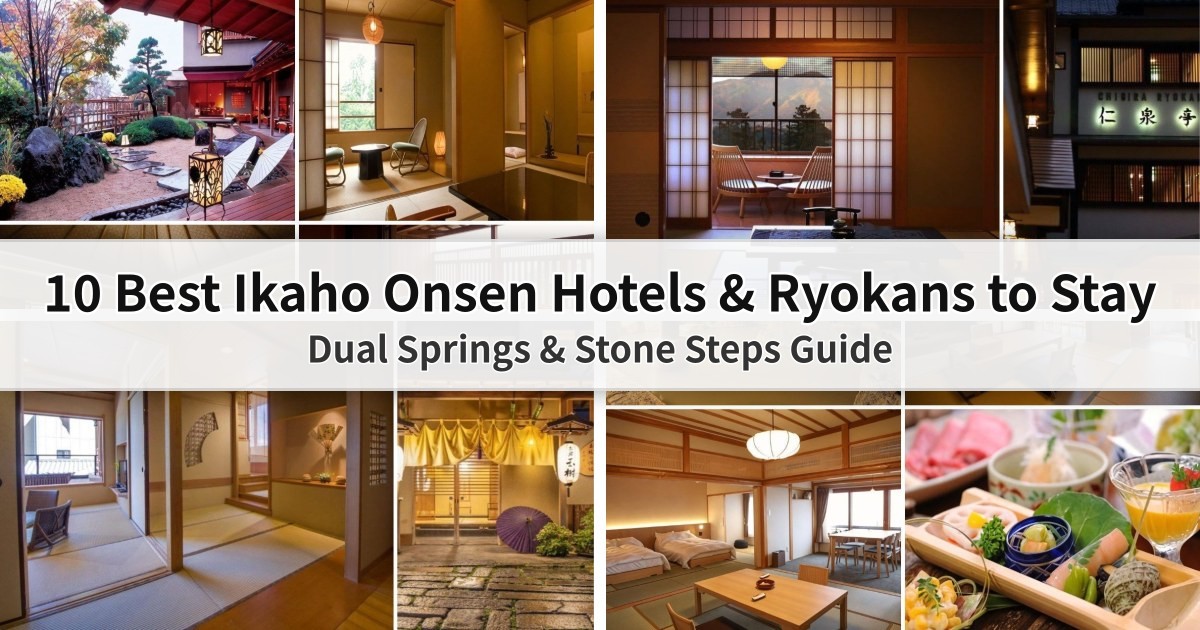
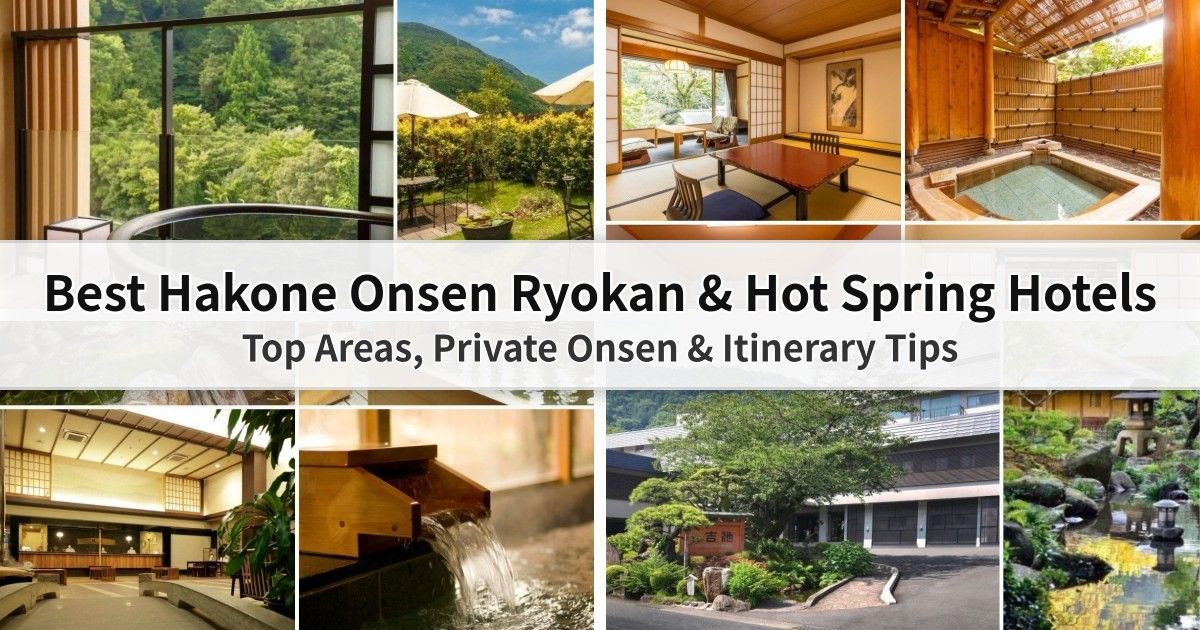
Planning a hot spring getaway to Hakone but feeling overwhelmed by mountain transit and ryokan choices? Understanding the distinct personalities of Hakone Yumoto, Gora, Sengokuhara, and Lake Ashi—paired with the Hakone Freepass and Romancecar—makes mapping out your soak effortless. Compare top accommodations below to find your ideal stay.
Hotel | Area / Location Highlight | Price Range | Ideal For |
Sengokuhara; quiet natural surroundings | US$230+ | Travelers seeking serene nature and tranquility | |
Kowakidani; historic heritage and gardens | US$222+ | Lovers of historic inns and classic garden onsens | |
Hakone Yumoto; 6-min walk from station | US$288+ | First-timers prioritizing transit and grand gardens | |
Ninotaira; resort amenities and water park | US$184+ | Families seeking fun resort pools and hot spring fun | |
Lake Ashi; direct lakeview rooms | US$304+ | Travelers wanting stunning lakeside sunrise views |
For an in-depth review of room types and half-board packages across all districts, check out the complete guide to Best Hakone Onsen Ryokan & Hot Spring Hotels.
Hakone Shrine: History and Millennial Evolution
Rooted deeply in mountain faith, Hakone Shrine was founded in 757 AD by high priest Mangan upon divine command, pacifying the nine-headed dragon of Lake Ashi and bringing peace to local settlers.
Mangan Shonin and Founding Legend
- ■ Opened by Nara-period priest Mangan Shonin, who subdued the lake dragon and transformed it into a benevolent guardian.
- ■ This rich folklore established Hakone Shrine's supreme standing among locals and gave rise to the Kuzuryu worship tradition.
Samurai Faith and Tokugawa Patronage
- ■ Through the Kamakura and Sengoku eras, prominent warriors like Minamoto no Yoritomo visited to pray for military fortune and donate lands.
- ■ During the Edo period, the opening of the Tokaido highway brought daimyos and merchants to pray for safe travels, cementing Hakone Shrine as a spiritual pillar of the Kanto region.
Modern Tourism and Traditional Festivals
- ■ Today, Hakone Shrine preserves its historic architecture while hosting vibrant annual festivals that draw crowds of believers and sightseers alike.
- ■ Timeless Shinto traditions merge seamlessly with Lake Ashi's scenic beauty, ensuring this millennial sanctuary retains its enchanting spiritual aura.
Hakone Shrine: Conclusion
As Tokyo's premier lakeside spiritual retreat, Hakone Shrine offers unforgettable highlights ranging from the floating Peace Torii and ancient cedar avenue to the rewarding three-shrine pilgrimage. Plan your transit timings, beat the peak crowds, and savor the local chaya snacks and lakeside cafes. With the right itinerary and accommodations in place, your Hakone hot spring pilgrimage is bound to be a resounding success!