Owakudani Guide 2026: Black Eggs, Ropeway & Volcanic Sights
Planning a trip to Hakone without checking out the jaw-dropping geothermal wonderland of Owakudani is almost unthinkable! Billowing white steam against sweeping mountain ridges, the unmistakable scent of sulfur, and the legendary kuro-tamago that add seven years to your life with every bite make this one of Hakone's premier hotspots year after year. However, mountain weather can turn on a dime, and navigating the multi-stage ropeway transfers requires a bit of foresight. This guide breaks down the essential transit routes, must-try eats, and smooth day-trip itineraries so your Hakone adventure goes off without a hitch!
* Some links in this article are affiliate links. If you purchase through them, we may earn a small commission at no extra cost to you. Thank you for your support!
Hakone Owakudani: Volcanic Topography & Signature Black Eggs
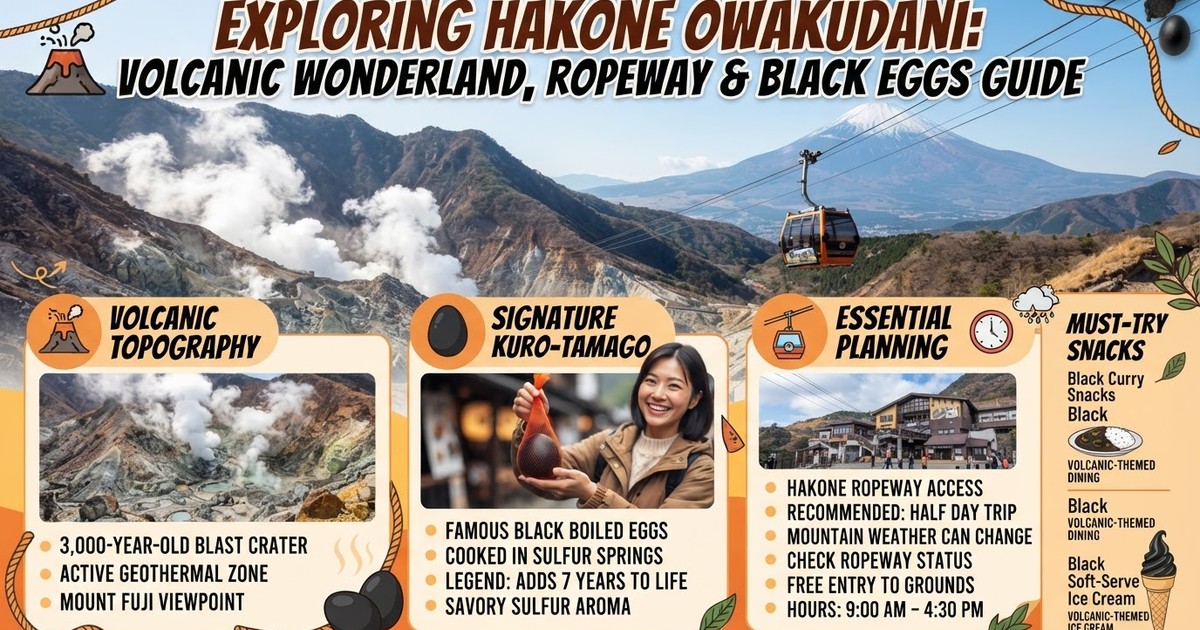
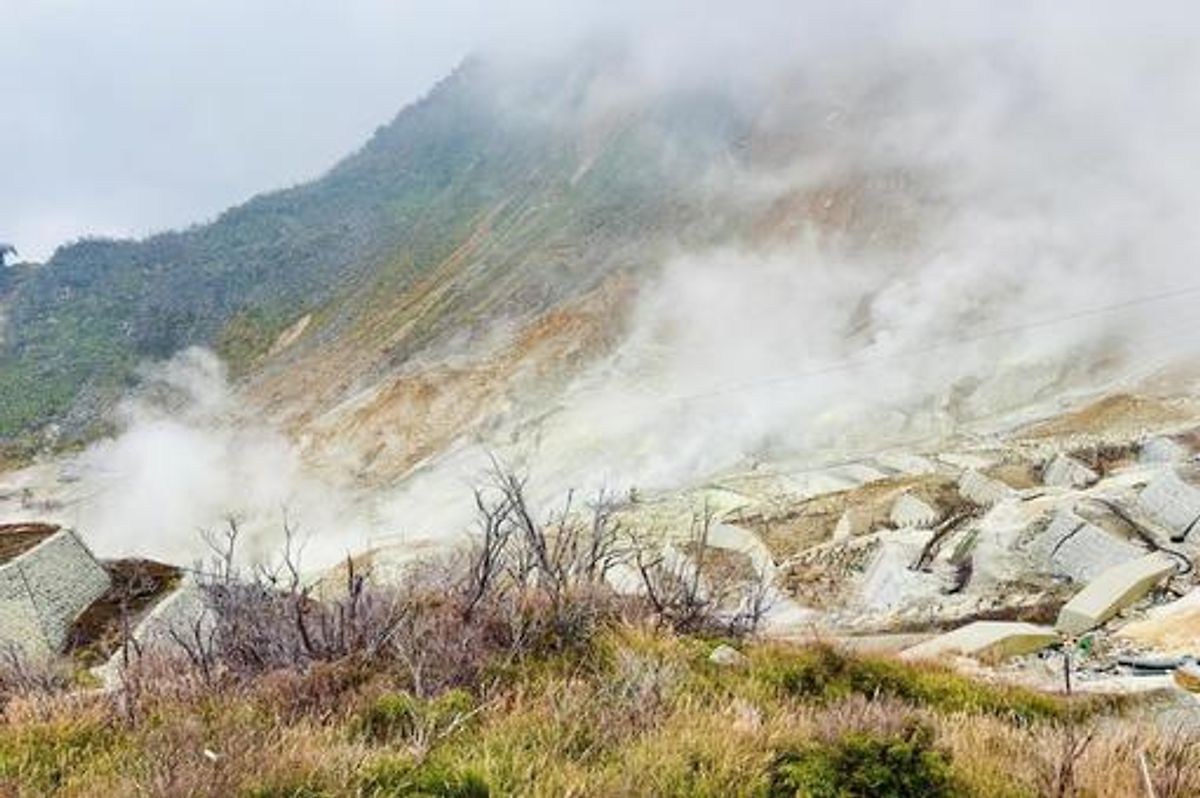
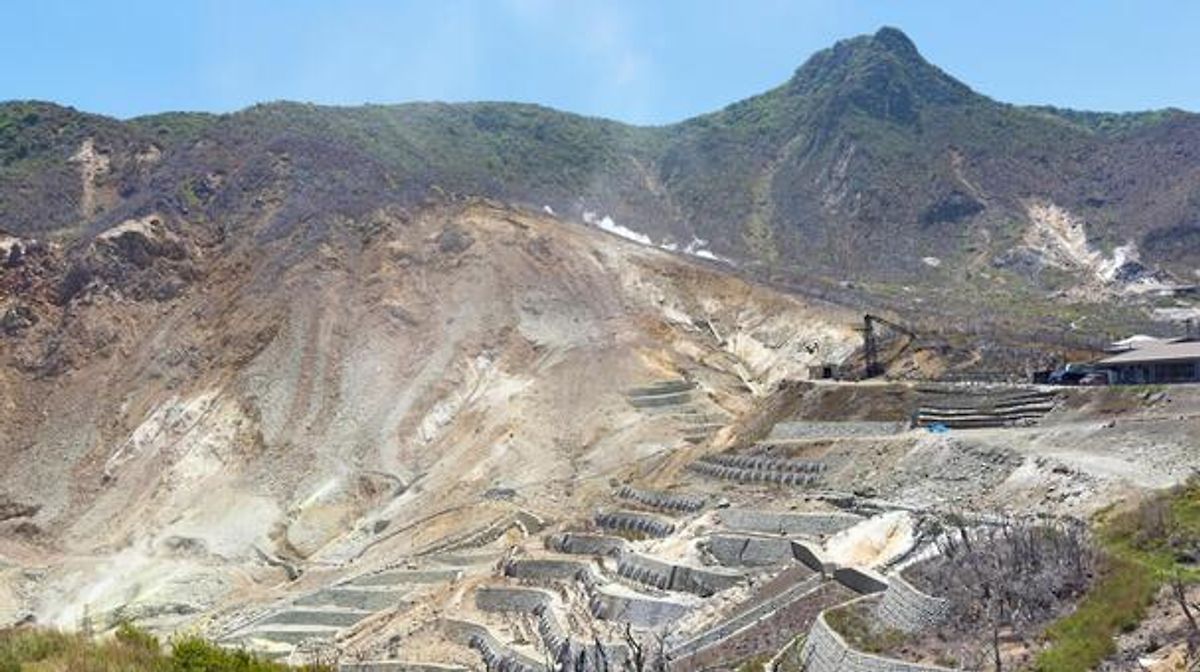
Owakudani is a blast crater formed approximately 3,000 years ago during the final explosive eruption of the Hakone volcano, and it remains the region's most iconic active geothermal zone. The moment you step into the plaza, you're greeted by wisps of sulfurous steam escaping from rocky fissures while the observation deck reveals majestic views of Mount Fuji on a clear day.
Volcanic Topography
- ■ Owakudani serves as a core stop along the Hakone Ropeway, surrounded by the Hakone GeoMuseum Shop, Owakudani Kurotamagokan, and OWAKUDANI KITCHEN. Most visitors spend 2 to 3 hours exploring the grounds.
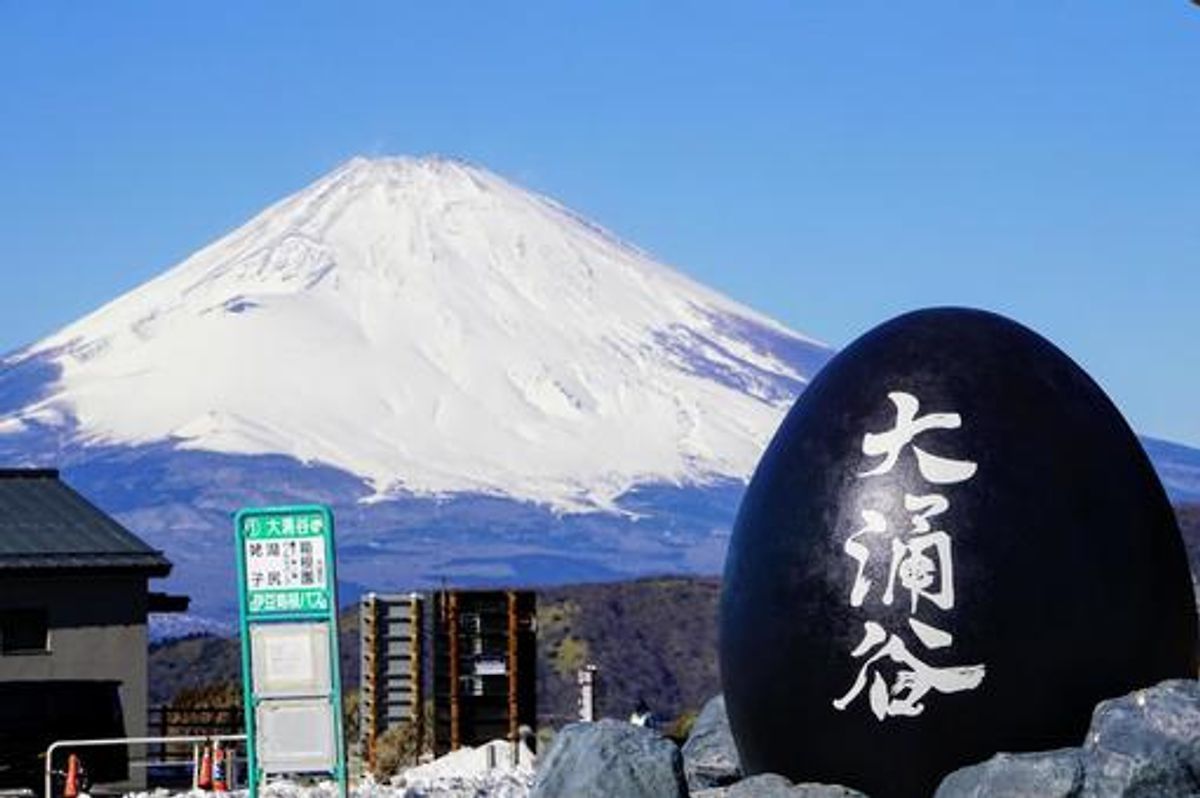
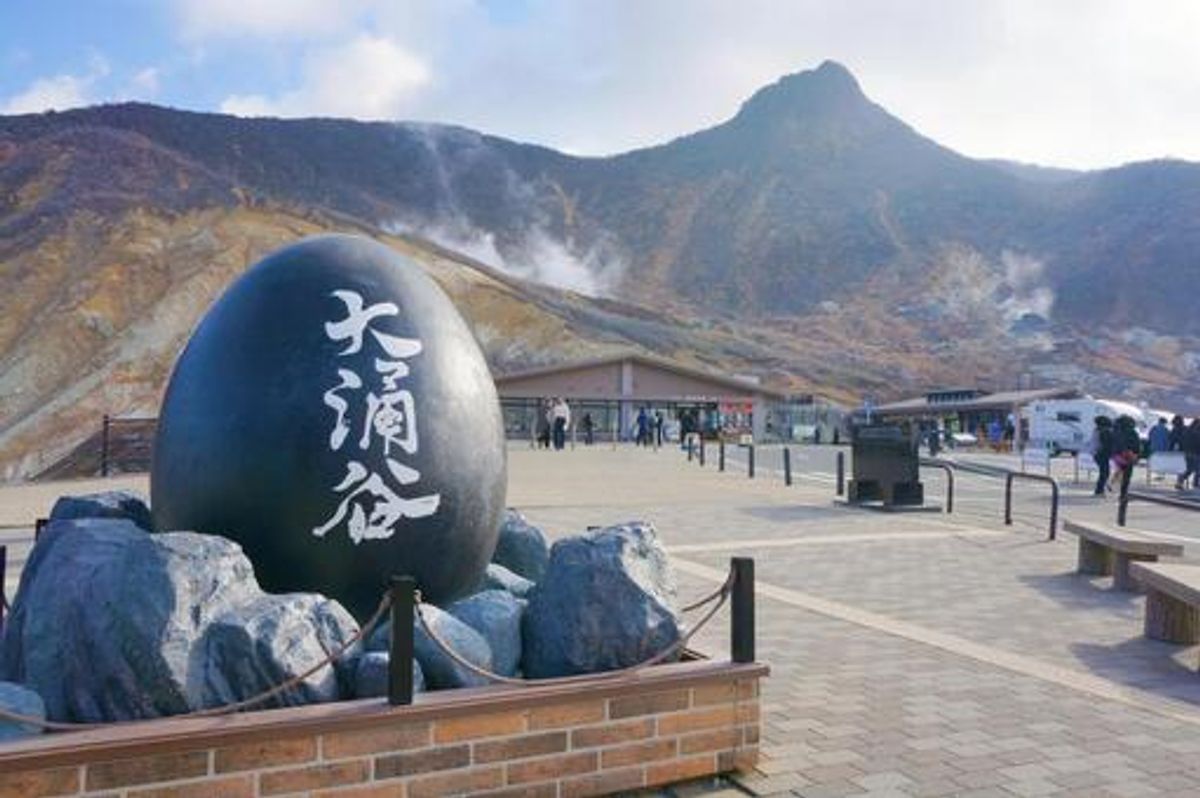
- ■ Beyond marveling at the churning sulfur vents, you can capture iconic photos of the giant black egg monument framed against the snowy backdrop of Mount Fuji when skies are clear—a must for photographers and first-time travelers.
The Ultimate Volcanic Tradition: Signature Black Eggs
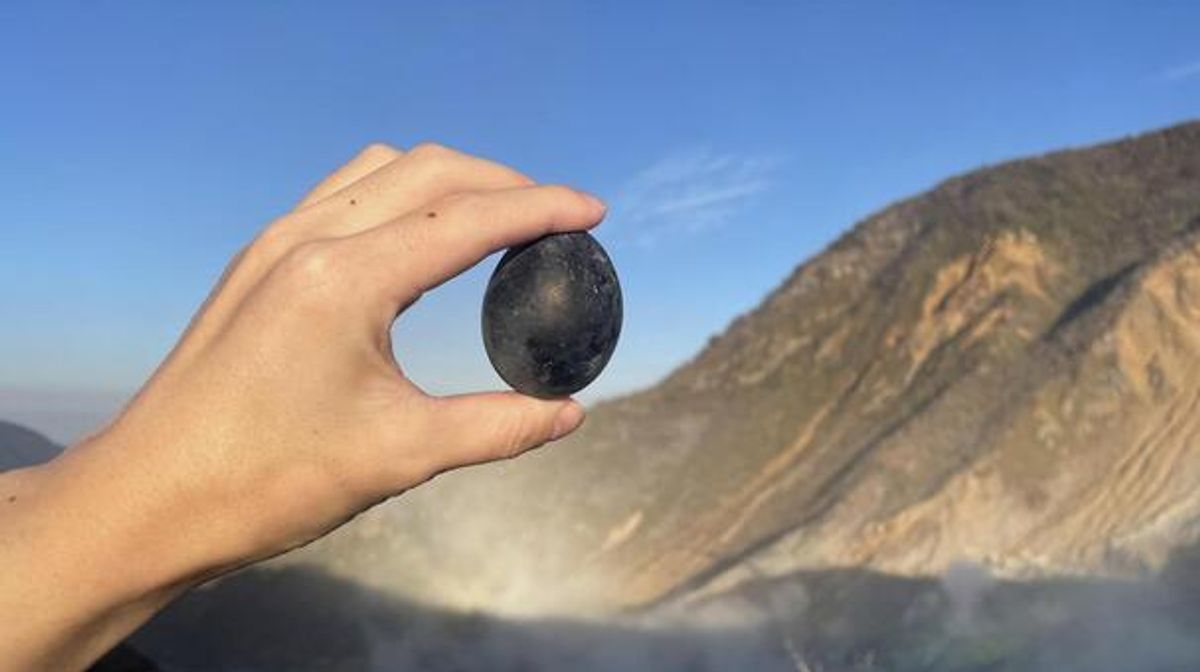
- ■ The resort's most famous symbol is the kuro-tamago (black egg), boiled right in the mineral-rich geothermal waters where a chemical reaction turns the eggshells jet-black while imparting a savory sulfur aroma.
- ■ Alongside the striking geological sights, you can sample volcanic-themed curry and black soft-serve ice cream around the station area, making your visit as delicious as it is educational.
Hakone Owakudani: Should You Add It to Your Itinerary?
First-time visitors to Hakone often wonder if Owakudani deserves a spot on their schedule. Use this quick decision matrix to evaluate whether this volcanic excursion matches your travel style.
Scenario | Verdict | Recommended Approach | Caveat |
First time in Hakone / Love dramatic views | Highly Recommended | Dedicate half a day to ride the ropeway up for mountain and Fuji views | Strong sulfur odors require extra care for sensitive respiratory tracts |
Traveling with seniors or children | Recommended | Stick to barrier-free paths and cable cars; minimize steep walking | Outdoor areas are windy and chilly; bring proper windbreakers |
Hunting for specialty snacks and souvenirs | Must-Visit | Head straight to Owakudani Kurotamagokan for black eggs and black curry | Expect longer queues during peak midday hours |
Rainy, stormy, or high-wind weather | Flexible | Monitor ropeway status; switch to backup shuttle buses if suspended | Heavy fog may obscure Mount Fuji and outdoor photo ops |
For a broader look at hot spring accommodations, check out our guide to Hakone Onsen Ryokan & Hot Spring Hotels; if you are planning a full-scale escape, our Hakone Day Trip Itinerary and Hakone Food Guide offer plenty of extra inspiration.
Hakone Owakudani: Tickets, Hours, and Location
Owakudani is an open volcanic sightseeing zone with no general admission fee to enter the grounds, though daily operating hours and weather advisories apply.
Admission Fee: Free entry (no advance reservation required for general grounds).
Business Hours: 9:00 AM – 4:30 PM (shop and restaurant hours may vary slightly; early arrival is recommended).
Around Tokyo Travel Tickets · Latest Deals✨
Hakone Owakudani: 5 Must-See Highlights (Geothermal Sights, Black Eggs & Museum)
When visiting Owakudani, make sure not to miss these top-tier attractions that showcase the power and culture of the region.
Owakudani Station & Volcanic Steam Vents
⏳ Suggested Duration: Approx. 30–45 minutes (Live View: )
📍 Location: Directly outside Owakudani Station ()
Step out of the station to an expansive landscape of billowing steam and sulfurous vapors. This is the heart of Hakone's volcanic activity, where bubbling geothermal springs line the wooden walkways. On clear days, the viewing platform offers unmatched vistas of white vapor set against Mount Fuji.
✨ Key Highlights
- ■ Observe roaring sulfur cliffs and active thermal vents up close.
- ■ Capture stunning photos of Mount Fuji framing the volcanic landscape on clear days.
- ■ Stroll along safe boardwalks while taking in the rich mineral aromas.
Owakudani Kurotamagokan
⏳ Suggested Duration: Approx. 30–45 minutes
📍 Location: Beside the outdoor plaza outside Owakudani Station ()
This is Owakudani's premier commercial and souvenir hub, featuring a giant black egg monument at the entrance that makes for a fantastic photo op. Inside, you can buy fresh kuro-tamago (sold in packs of four for 500 yen) alongside exclusive Owakudani merchandise and collaborative character goods.
✨ Key Highlights
- ■ Pose with the giant kuro-tamago monument for a memorable snapshot.
- ■ Purchase piping-hot black eggs and experience the local legend of extended longevity.
- ■ Browse exclusive regional souvenirs and cute character goods.
Hakone GeoMuseum Shop
⏳ Suggested Duration: Approx. 20–30 minutes (Indoor Live View: )
📍 Location: Inside the Owakudani complex, next to Gokuraku Chaya ()
With a nominal admission fee of 100 yen, this museum offers detailed exhibits on Hakone's volcanic history, hot spring origins, steam vent formation, and the science behind the black eggs. Equipped with miniature models and interactive displays, it's a fantastic stop for nature and science enthusiasts.
✨ Key Highlights
- ■ Explore 3,000 years of Hakone volcanic evolution through scale models and videos.
- ■ Inspect interactive exhibits detailing geothermal energy and hot spring chemistry.
- ■ Learn the scientific process behind the black eggshells.
Enmeijizono Jizo Statue (Shinsen-no-Yu)
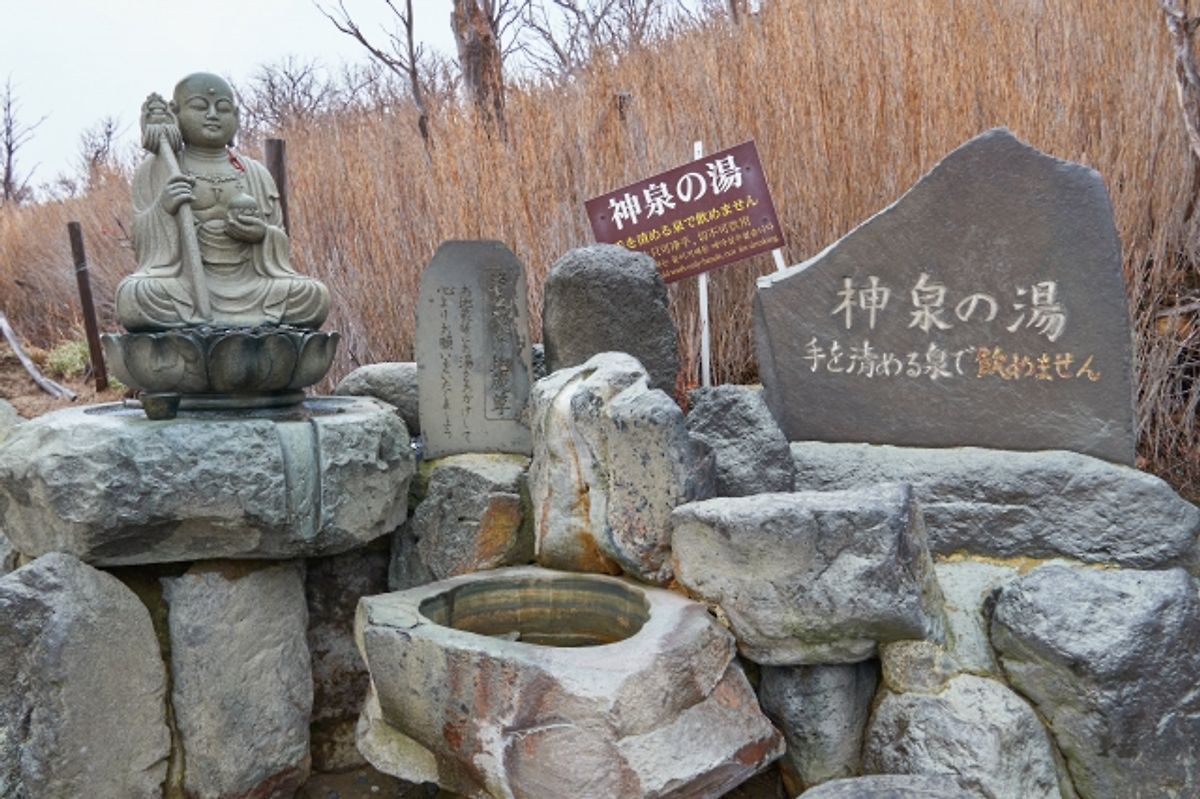
⏳ Suggested Duration: Approx. 10–15 minutes
📍 Location: Along the walking path 3–5 minutes from Owakudani Station or Kurotamagokan
The Enmeijizono Jizo Statue is a revered historic stone deity that miraculously survived past volcanic turbulence and disasters. Serving as a spiritual sanctuary for local prayers of health, safety, and longevity, this tranquil spot offers a peaceful contrast to the rugged volcanic landscape. Many travelers stop here after exploring the vents to offer a quiet prayer for safe travels.
✨ Key Highlights
- ■ View a historic stone Jizo statue that survived historical volcanic activity.
- ■ Offer prayers for family health, longevity, and safe travels.
- ■ Enjoy a serene, reflective atmosphere away from the bustling crowds.
Earth Valley (Chikyu-no-Tani) Observation Deck
⏳ Suggested Duration: Approx. 20–30 minutes
📍 Location: Newly renovated outdoor plaza and viewing platform in front of Owakudani Station
Earth Valley is a modern, beautifully designed outdoor observation space encircling the main Owakudani explosion crater. Featuring 360-degree panoramic terraces and barrier-free walkways, it places visitors right at the edge of the active steam vents for an immersive encounter with volcanic power.
✨ Key Highlights
- ■ Stand on upgraded 360-degree terraces overlooking the core volcanic crater.
- ■ Frame stunning photos with rugged cliffs and snow-capped Mount Fuji.
- ■ Enjoy smooth, accessible boardwalks designed for effortless sightseeing.
Hakone Owakudani: Dining Guide (Volcanic Curry & Black Ramen)
After exploring the dramatic geothermal landscape, you'll find plenty of hearty culinary options right on-site. Here are three of the most popular restaurants and tea houses in the area:
OWAKUDANI KITCHEN Dining Restaurant
💰 Price Range: Approx. ¥1,000 – ¥2,000
📍 Address: Japan, 〒250-0631 Kanagawa, Ashigarashimo District, Hakone, Sengokuhara, 1251 2nd Floor, Owakudani Station ()
⏳ Business Hours: 10:30 AM – 4:00 PM
✨ Must-Try Items: Special Owakudani Curry, Tonkatsu Curry, Hot Curry Udon, Draft Beer
Perched on the second floor of Owakudani Station, this restaurant features panoramic floor-to-ceiling windows overlooking the steaming volcanic valley. The signature tonkatsu curry pairs crispy, juicy pork cutlets with rich, mildly spiced curry sauce, making it a fantastic indoor retreat after a chilly walk outside.
✨ Dining Highlights
- ■ Full glass windows offer sweeping views of the active crater while you dine.
- ■ Generous portions of crispy, freshly fried tonkatsu curry.
- ■ A warm selection of hot meals and drinks after outdoor exploration.
- ■ Fast service, making it ideal for families and travelers on a schedule.
👉 Recommended For
- ■ Scenic diners who want a comfortable lunch with an epic view.
- ■ Families with seniors or children seeking indoor seating.
Gokuraku Chaya
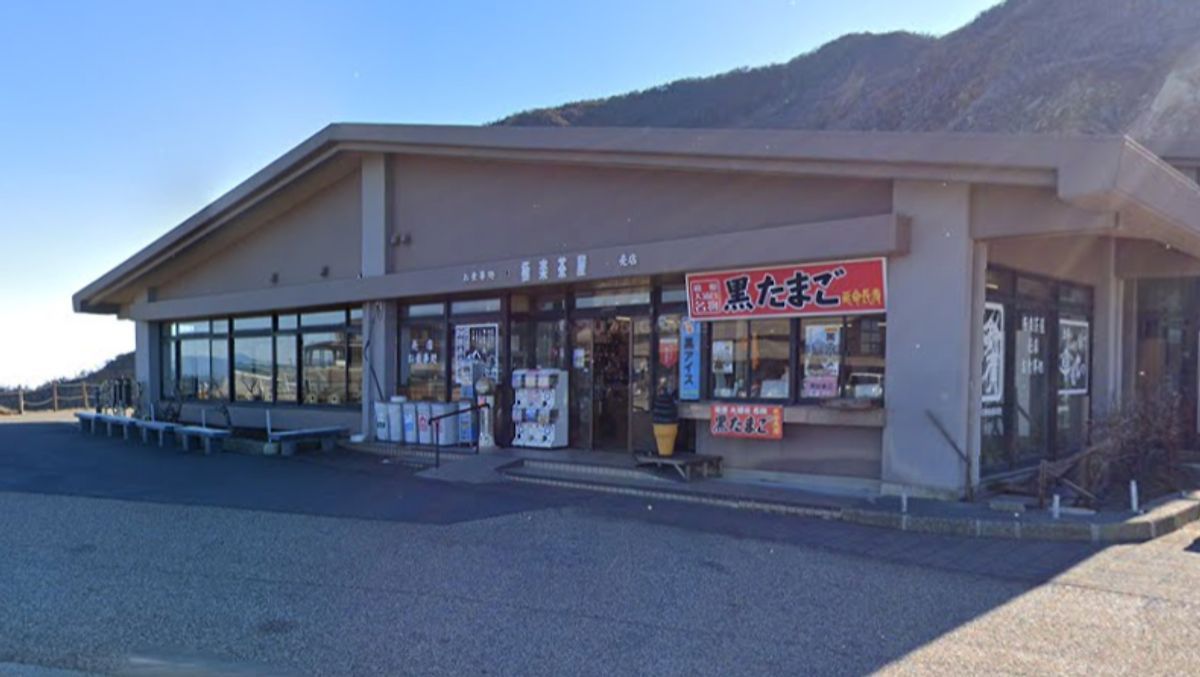
💰 Price Range: Approx. ¥1,000 – ¥2,000
📍 Address: 1251-2 Sengokuhara, Hakone, Ashigarashimo District, Kanagawa 250-0631, Japan ()
⏳ Business Hours: 8:45 AM – 5:00 PM
✨ Must-Try Items: Jigoku Black Ramen, Kuro-tamago, Black Soft-Serve Ice Cream, Fried Shrimp Set
As one of Owakudani's classic rest stops, Gokuraku Chaya is famous for its visually striking "Jigoku Black Ramen" alongside its black eggs and ice cream. The ramen features a rich broth and chewy noodles served in a savory black soup base. The outdoor seating area provides wide-open views of Mount Fuji on clear days.
✨ Dining Highlights
- ■ Serves conversation-starting black ramen and charcoal-colored ice cream.
- ■ Reasonably priced tourist-zone meals with plenty of variety.
- ■ Expansive outdoor seating with mountain and volcano vistas.
- ■ Early opening hours for morning visitors looking for a hot meal.
👉 Recommended For
- ■ Adventurous eaters looking to try unique black-themed dishes.
- ■ Visitors wanting a quick bowl of hot noodles with great scenery.
Owakudani Kurotamagokan Waku Waku Kitchen & CAFÉ
💰 Price Range: Approx. ¥1 – ¥1,000
📍 Address: Japan, 〒250-0631 Kanagawa, Ashigarashimo District, Hakone, Sengokuhara, 1251-1251 (Inside Owakudani Kurotamagokan) ()
⏳ Business Hours: 11:00 AM – 3:00 PM
✨ Must-Try Items: Black Curry Bread, Black Bun, Black Curry, Fried Chicken, Cafe Latte
Located inside the Kurotamagokan building, this casual cafe specializes in black-themed snack creations. Crispy-crusted black curry bread and steamed black buns are crowd favorites, perfect for a quick afternoon bite after touring the grounds.
✨ Dining Highlights
- ■ Specialty black-themed finger foods and baked goods.
- ■ Distinctive black curry bread with a savory, satisfying filling.
- ■ Conveniently located inside the souvenir complex for easy grab-and-go snacks.
- ■ Budget-friendly pricing for quick bites on the move.
👉 Recommended For
- ■ Instagram-focused travelers who love photogenic snacks.
- ■ Visitors needing a quick energy boost between sights.
Hakone Owakudani: Ropeway Transit Routes & Transfer Guide
The most scenic and classic route to Owakudani starts from Hakone-Yumoto Station, utilizing regional mountain transport to climb smoothly up the slopes.
Travel Scenario | Route | Tickets & Transit Time | Luggage & Transfer Tips |
First-time Hakone classic route | Hakone-Yumoto Station → Gora Station → Sounzan Station → Owakudani Station | Tozan Railway, Cable Car, and Ropeway; approx. 40–50 min | Clear signage at all stations; large bags can be left at lockers or hotels |
Approaching in reverse from Lake Ashi | Togendai Station → Owakudani Station | Hakone Ropeway direct; approx. 8 mins | Togendai Station features large souvenir shops and pirate ship docks |
Strong winds or ropeway suspension | Hakone-Yumoto / Togendai Hakone Tozan Bus | Replacement shuttle buses directly to Owakudani; duration depends on traffic | Schedules adjust to weather; check real-time station boards |
- ■ Purchasing the Odakyu is highly recommended, as it covers the Tozan Railway, cable car, ropeway, and pirate sightseeing boats.
- ■ The ropeway offers sweeping bird's-eye views, though high winds or heavy sulfur gas concentrations may prompt temporary suspensions.
- ■ The observation deck and cafe at Sounzan Station make for a wonderful midpoint rest stop.
- ■ Travelers hauling bulky luggage should leave bags at Hakone-Yumoto station lockers or their evening hot spring ryokan to travel light.
Hakone Ropeway
📍 Location: Connecting Sounzan Station via Owakudani and Ubako to Togendai Station
The Hakone Ropeway is an absolute must-do aerial transit line! Operating high-frequency departures with spacious cabins and wide glass windows, the ropeway climbs steadily from Sounzan over steep ridges, offering breathtaking views of the Owakudani steam vents. As you continue west toward Togendai, the landscape opens up to reveal sparkling Lake Ashi and majestic Mount Fuji in the distance.
Hakone Tozan Railway and Cable Car
📍 Location: Departing Hakone-Yumoto Station, transferring via Gora Station to Sounzan
The Hakone Tozan Railway is one of Japan's premier mountain railways, utilizing a unique zig-zag switchback system to scale steep cliff faces. Seasonally shifting foliage frames the track, adding visual charm to the journey. Upon reaching Gora Station, passengers seamlessly transfer to the Hakone Tozan Cable Car, watching the altitude climb as mountain greenery unfolds outside the windows.
Hakone Owakudani: Day Trip Itinerary (Classic Aerial Tram & Volcanic Views)
By combining the ropeway with surrounding transfer points, you can easily weave Owakudani, Lake Ashi, and Hakone Shrine into a seamless half- or full-day itinerary.
Sequence / Time Slot | Stop | Suggested Duration | Connection & Tips |
Morning 9:30 – 11:00 | Depart Hakone-Yumoto via Tozan Railway to Gora, transfer cable car to Sounzan | Approx. 1.5 hours | Morning crowds are thinner, keeping ropeway queues short |
Morning 11:00 – Afternoon 1:00 | Owakudani Station (Vents, Fuji photos, black eggs, lunch) | Approx. 2 hours | Enjoy signature tonkatsu curry at the station restaurant |
Afternoon 1:00 – Afternoon 3:00 | Ride Ropeway to Togendai, board Pirate Ship to Moto-Hakone | Approx. 2 hours | Stop by the Hakone Shrine Torii Gate on the water |
Owakudani anchors any classic Hakone itinerary. Morning hours offer the best visibility and minimal fog, making it ideal for photography. After exploring the geothermal grounds, descending toward Lake Ashi or returning to your ryokan creates a well-paced vacation rhythm.
- ■ Early morning visits yield the clearest skies for photographing Mount Fuji and steam vents.
- ■ Lunch can be enjoyed right inside Owakudani Station before heading down for the afternoon boat cruise.
- ■ Grab your souvenirs at the station shops before departure to avoid hauling bags through transfers.
Hakone Owakudani: Practical Travel Tips
Review these essential tips before heading up to the high-elevation volcanic zone to ensure a smooth excursion.
- ■ Rapid Weather Shifts: Mountain weather changes quickly; morning sunshine does not guarantee an afternoon clear of fog. Pack light rain gear and a windbreaker.
- ■ Strong Sulfur Odor: The air contains sulfur dioxide and other volcanic gases. Travelers with respiratory sensitivities or asthma should carry a mask.
- ■ Crowds and Queues: Peak hours around midday see longer lines for black eggs and ropeway boarding; keep your schedule flexible.
- ■ Cash Preferred: Some smaller tea houses and vending machines still rely on cash, so keep a modest amount of Japanese Yen on hand.
- ■ Check Real-Time Advisories: Should volcanic activity spike or high winds pick up, ropeway and outdoor zones may face temporary restrictions; follow staff guidance at all times.
Hakone Owakudani: Nearby Attractions (Lake Ashi & Hakone Shrine)
After soaking in the volcanic sights of Owakudani, several classic nearby attractions complete your Hakone itinerary:
Hakone Sightseeing Pirate Ship
Hakone Shrine (Peace Torii Gate)
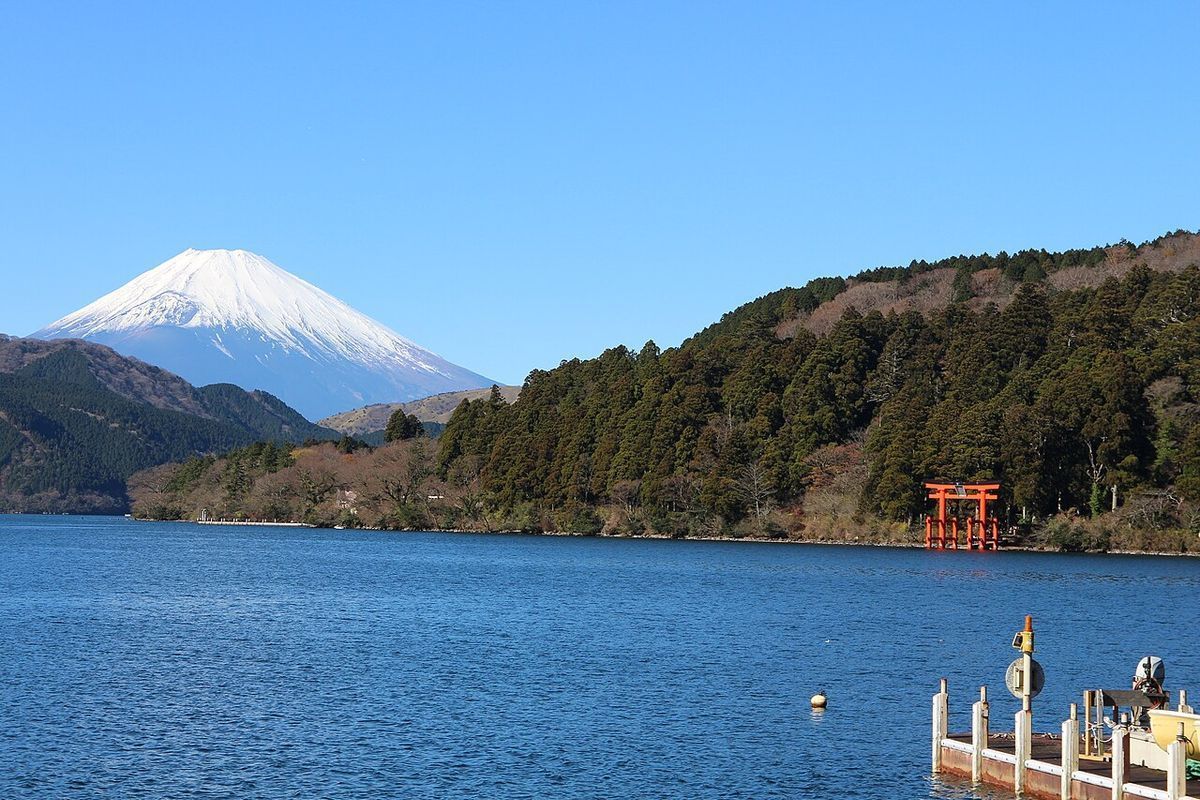
Hakone Open-Air Museum
Hakone Accommodation: Onsen Ryokan Recommendations
No Hakone trip is complete without staying at a comfortable hot spring ryokan. Here are five popular accommodations across different budget tiers and districts to round out your getaway:
Hotel | Best For | Location & Transit Highlights |
Travelers seeking tranquil Sengokuhara resort vibes and natural scenery | Located in Sengokuhara Onsen district; quiet and peaceful | |
Fans of historic Japanese inns and heritage ryokan charm | Located in Kowakudani Onsen district near Tozan railway lines | |
Travelers prioritizing transit convenience, shopping, and Japanese gardens | 6-minute walk from Hakone-Yumoto Station | |
Families and travelers wanting modern resort amenities and abundant baths | Gora / Kowakudani area with comprehensive leisure facilities | |
Lakeview seekers pursuing modern Japanese aesthetics and luxury | Near Togendai on the shores of Lake Ashi with superb vistas |
These properties range from transit-friendly Hakone-Yumoto to scenic Lake Ashi and Sengokuhara. For full room reviews, half-board dining details, and open-air bath guides, consult our complete Hakone Hot Spring Hotels and Hakone Yumoto Accommodation Guide.
Hakone Owakudani: Historical Background (From Demon Valley to Modern Resort)
Before the Edo period, Owakudani was known as "Ogamiyama" (Great God Mountain) or "Jigokudani" (Hell Valley), inspiring fear as an active volcanic scar with hazardous sulfur emissions. Following the Meiji Restoration, the development of Hakone's hot spring districts and the opening of mountain railways transformed the area into a celebrated volcanic tourist destination.
Origin of the Name and Volcanic Shifts
- ■ Due to intense eruptions and boiling thermal springs, early locals rarely ventured into the valley, leaving it primarily to sulfur miners.
- ■ After Emperor Meiji visited Hakone in 1876, Owakudani's unique landscape gained broader recognition, eventually evolving into an internationally renowned Hakone landmark through modern geological monitoring and road construction.
Evolution of the Black Egg Legend
- ■ The black eggs of Owakudani trace back to Edo-period blessing customs, where eggs were cooked in geothermal mineral water as prayers for health and longevity.
- ■ Folklore holds that eating a single black egg extends your life by seven years. While playful legend, the "kuro-tamago" has become a trademark symbol of Hakone tourism.
Conclusion
As Hakone's quintessential volcanic landmark, Owakudani delivers unforgettable memories—from soaring over mountain ridges on the ropeway and witnessing dramatic geothermal steam vents to savoring a legendary black egg that supposedly adds seven years to your life. Check weather and ropeway conditions before departure, utilize the to map your transit connections, and leave plenty of time to enjoy volcanic curry and souvenirs!