
Meiji Shrine Guide 2026: Hours, Access, Omamori & Top Stays
When visiting Tokyo in search of a peaceful sanctuary right in the bustling heart of the metropolis, Meiji Shrine, nestled between Harajuku and Yoyogi, stands as the ultimate destination. Spanning 700,000 square meters of sacred forest, this grand shrine honors Emperor Meiji and Empress Shoken, serving as one of Tokyo's most revered and heavily visited spiritual landmarks. Whether you are stepping onto the gravel pathways for the first time or seeking authentic Meiji Shrine omamori and Meiji Shrine Goshuin stamps, understanding the proper worship route and transit options ensures a seamless experience.
* Some links in this article are affiliate links. If you purchase through them, we may earn a small commission at no extra cost to you. Thank you for your support!
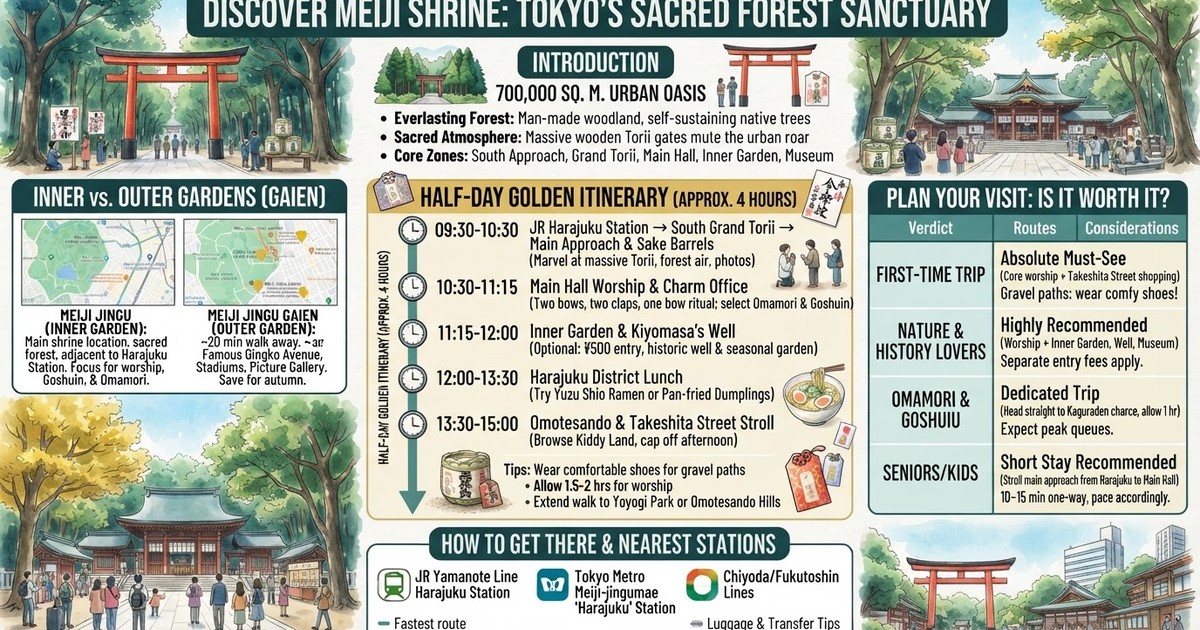
Meiji Shrine: Introduction
A 700,000-Square-Meter Urban Artificial Forest
- ■ The Everlasting Forest Project: Established in 1920, Meiji Shrine brought together volunteers and forestry experts across Japan to plant hundreds of thousands of trees, creating a thriving, self-sustaining native woodland.
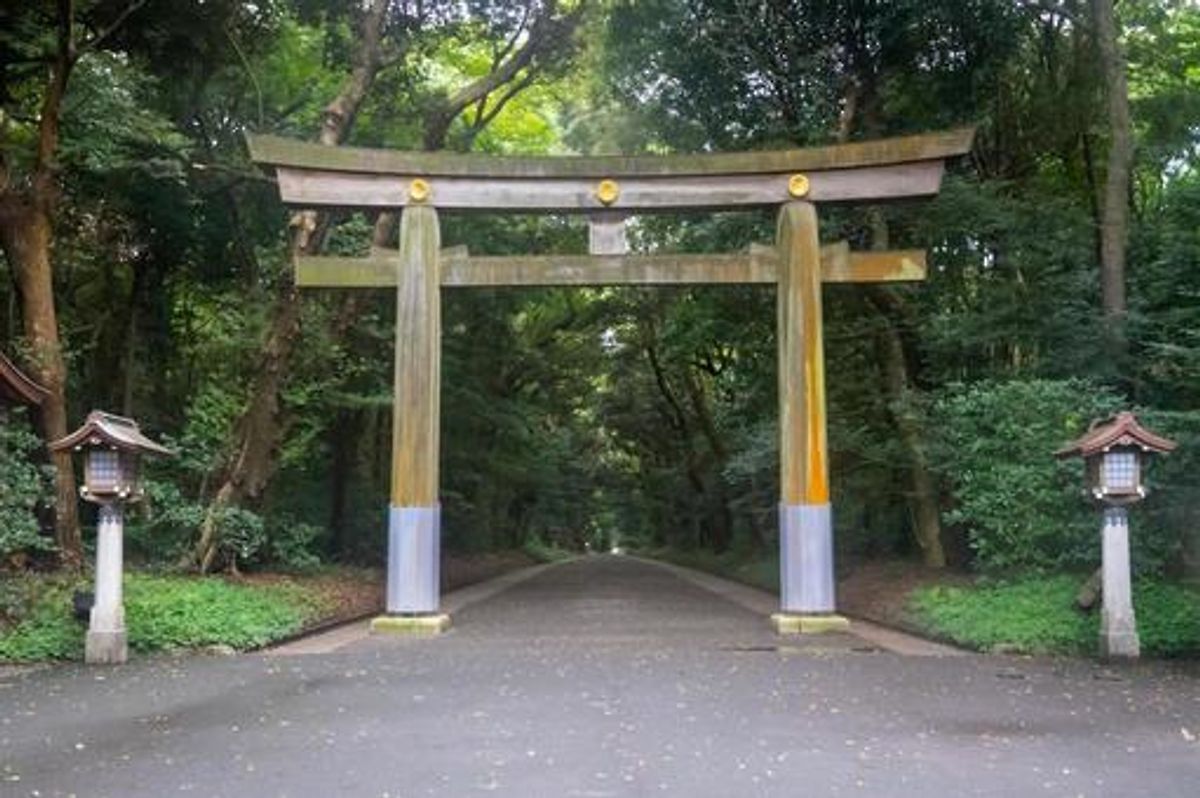
- ■ Sacred Atmosphere: From the moment you pass under the massive wooden torii gate at the South Entrance, towering trees instantly mute the urban roar, filling the crisp air with serene reverence.
- ■ Core Zones: The grounds feature the South Entrance approach, the Grand Torii, the Main Hall, the Kaguraden, the southern Inner Garden, and the contemporary Meiji Jingu Museum.
Inner Garden vs. Outer Garden (Gaien)
- ■ Main Shrine Location: The core Meiji Shrine grounds that most travelers visit sit within the inner forest right next to Harajuku Station.
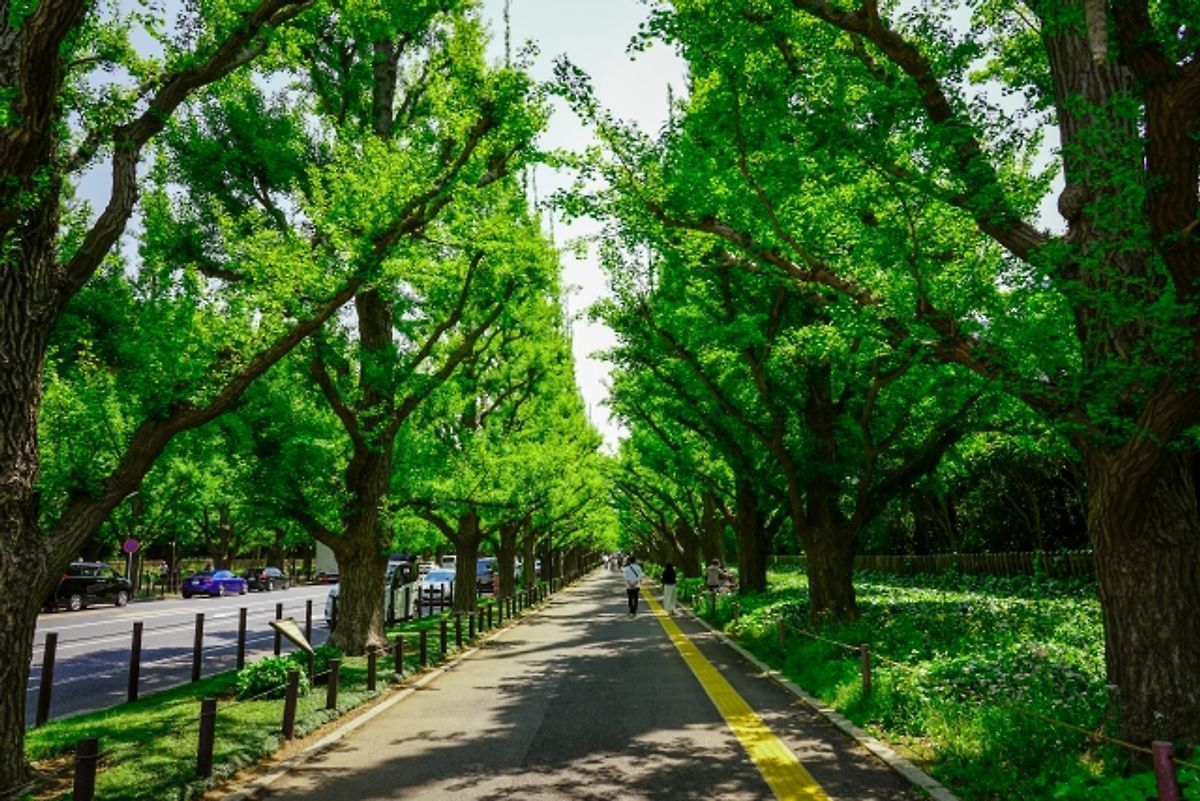
- ■ Outer Garden Differences: Located about a 20-minute walk away, Meiji Jingu Gaien is famous for its golden ginkgo tree avenue, the Memorial Picture Gallery, and major athletic stadiums.
- ■ Planning Tip: Head directly to the inner grounds for worship and amulets, but save Gaien for a dedicated autumn foliage walk.
Meiji Shrine: Is It Worth Visiting? Half-Day Itinerary
Interest / Time | Verdict | Suggested Route | Key Consideration |
First-Time Tokyo Trip | Absolute Must-See | Core worship plus Takeshita Street shopping | Pathways feature loose gravel; wear comfortable walking shoes |
Nature & History Lovers | Highly Recommended | Worship plus Inner Garden & Kiyomasa's Well and Museum | Inner Garden and museum require separate admission tickets |
Seeking Omamori & Goshuin | Dedicated Trip | Head straight to the Kaguraden charm office; allocate about 1 hour | Expect peak-season queues; build extra time into your schedule |
Traveling with Seniors or Kids | Short Stay Recommended | Stroll the main approach from the Harajuku entrance to the Main Hall | One-way walk takes 10–15 minutes; pace yourself accordingly |
Here is a classic, half-day golden itinerary designed to cover the highlights:
Classic Half-Day Itinerary Example (Approx. 4 Hours)
Time Window | Itinerary & Strops | Recommended Activities & Tips |
09:30 – 10:30 | Depart JR Harajuku Station → South Grand Torii → Main Approach & Sake Barrels | Marvel at the massive wooden torii, breathe in the forest air, and snap photos |
10:30 – 11:15 | Main Hall Worship & Charm Office | Perform the 'two bows, two claps, one bow' ritual; pick out an omamori or goshuin |
11:15 – 12:00 | Meiji Jingu Inner Garden & Kiyomasa's Well (Optional) | Purchase the ¥500 entry ticket to visit the historic wellspring and seasonal gardens |
12:00 – 13:30 | Walk to AFURI Harajuku for refreshing yuzu shio ramen or Harajuku Gyoza Lou for pan-fried dumplings | |
13:30 – 15:00 | Omotesando & Takeshita Street Afternoon Stroll | Browse Kiddy Land for souvenirs to cap off your afternoon |
- ■ First-time visitors should reserve 1.5 to 2 hours for core worship; expand that window if adding the Inner Garden.
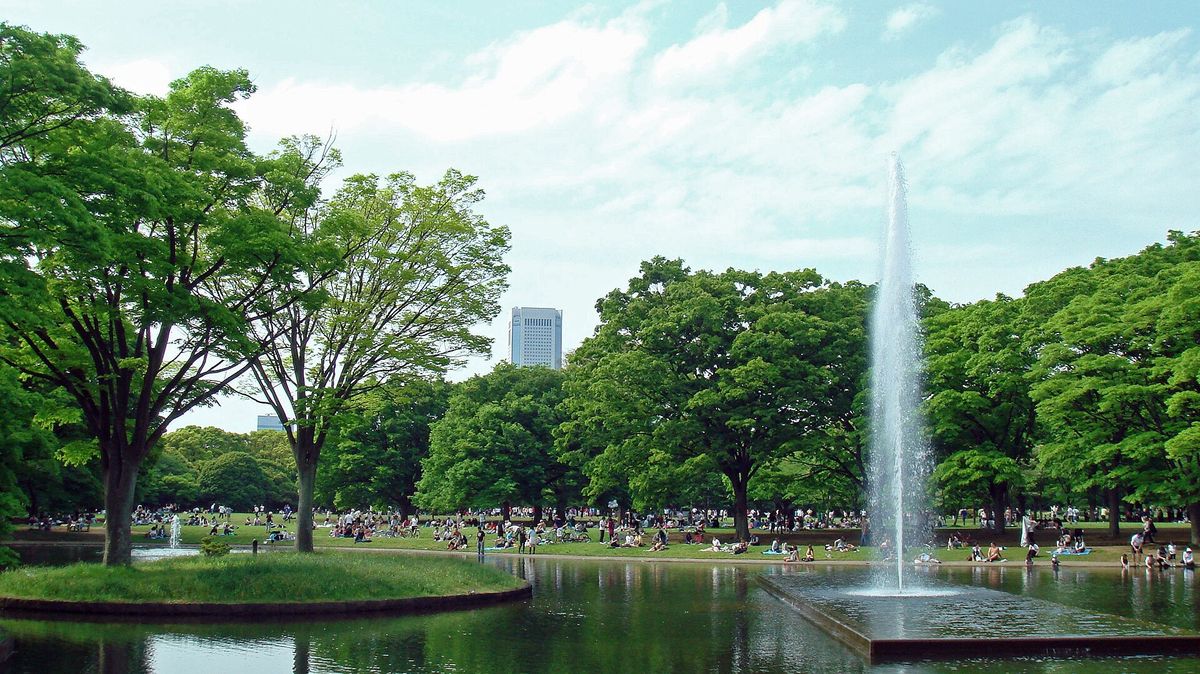
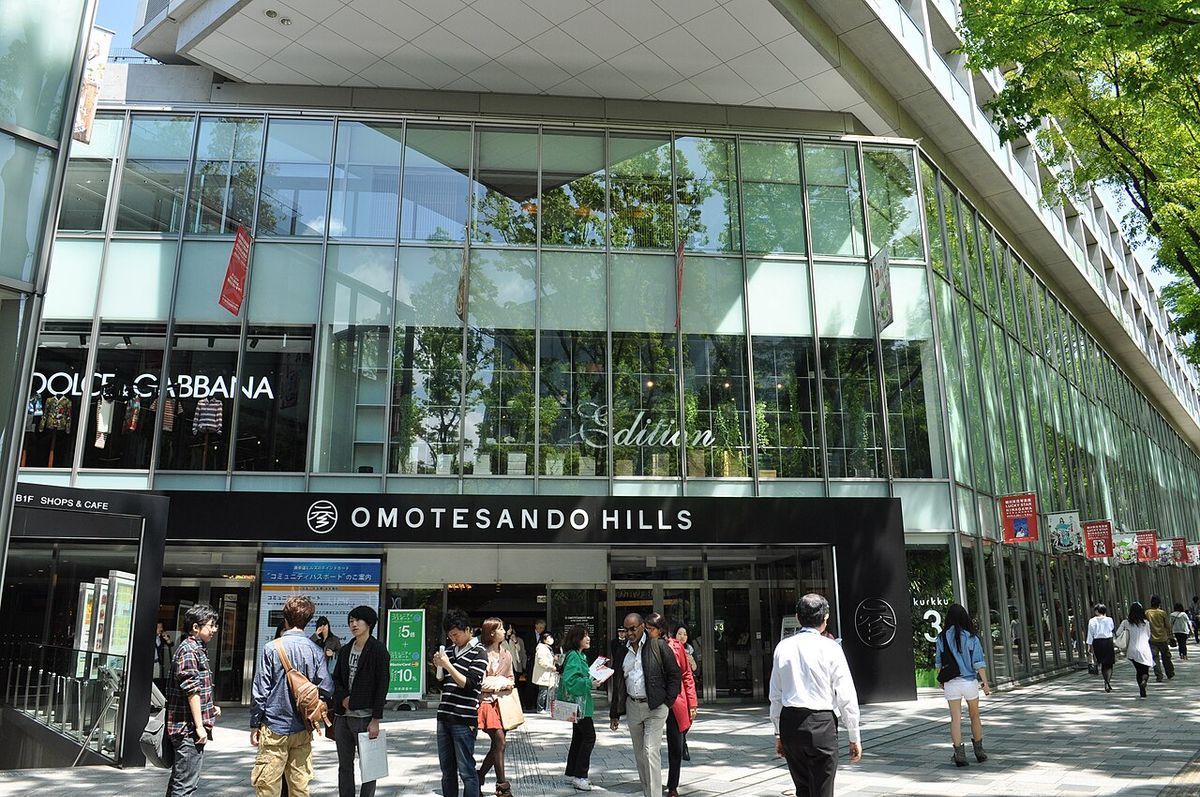
- ■ After completing your walk, energetic travelers can easily extend their trip to nearby Yoyogi Park or Omotesando Hills.
- ■ Dining and souvenir shopping around Harajuku Station are immediately accessible after leaving the shrine.
Meiji Shrine Transportation: How to Get There & Nearest Stations
Travel Context | Route | Ticket / Transit Notes | Luggage & Transfer Tips |
Fastest Route to South Entrance | JR Harajuku Station | Yamanote Line, 1–5 min walk | Station platforms get crowded; use Takeshita or Omotesando exits |
Direct to Jingumae | Meiji-jingumae Station | Chiyoda / Fukutoshin Lines, 3 min walk | Underground corridors are long; follow directional signs |
Approach from Yoyogi | Yoyogi Station or Kitasando Station | JR / Fukutoshin Line, 5–10 min walk | Ideal for travelers who prefer a quieter walk through the north approach |
- ■ JR Harajuku Station serves as the primary transportation hub for Meiji Shrine, letting you step straight out into the grand South Entrance.
- ■ The pathways inside the shrine consist of loose gravel, making heavy rolling luggage difficult to pull—use station coin lockers instead.
- ■ If traveling from Shibuya, taking a single stop on the Yamanote Line or walking takes just minutes.
Japan Tokyo Travel Tickets · Latest Deals✨
Meiji Shrine: Admission Fees, Hours, Omamori & Goshuin Info
Meiji Shrine grounds are free to enter with no admission fee, though specific facilities within the complex require separate tickets.
Facility | Price / Fee | Operating Hours / Notes |
Main Shrine Grounds | Free | Sunrise to sunset (typically closes around 4:00 PM – 4:30 PM depending on the season) |
Meiji Jingu Inner Garden | ¥500 | 9:00 AM – 4:30 PM (Kiyomasa's Well closes at 4:00 PM) |
Meiji Jingu Museum | Varies by special exhibition | 10:00 AM – 4:30 PM (Closed Thursdays) |
- ■ Omamori & Goshuin: Usually handled at the Kaguraden or designated charm offices near the main hall, operating from 9:00 AM until evening closing time.
- ■ Visitors will find a vast array of amulets dedicated to academic success, health, traffic safety, and romance.
Meiji Shrine: Walking Routes & Exploration Guide
Crossing the Grand Torii & Forest Approach
Sequence / Time | Stop | Recommended Duration | Connections & Tips |
Stop 1 | JR Harajuku Station / South Grand Torii | Approx. 10 min | Snap photos; note that this is Japan's largest wooden Myojin torii |
Stop 2 | Minami-shinbashi Bridge & Sake Barrels | Approx. 15 min | Admire the blend of native sake barrels and Western wine casks |
Stop 3 | Main Hall Worship & Charm Offices | Approx. 20 min | Complete the 'two bows, two claps, one bow' ritual and pick up charms |
Starting from the South Grand Torii, you will walk along the shaded pathway where towering trees instantly make you forget you are in central Tokyo. Midway along the approach, you will encounter the striking display of Japanese sake barrels juxtaposed with French wine casks, reflecting Emperor Meiji's opening to international culture. Upon reaching the Main Hall courtyard, you can pay your respects and visit the nearby shrine office for seasonal talismans.
- ■ Walking on the crushed gravel path produces a soothing crunch that traditional belief says purifies the soul.
- ■ Remember to cleanse your hands and rinse your mouth at the Chozuya water pavilion before approaching the altar.
- ■ After leaving the Main Hall, decide whether to continue south toward the Inner Garden based on your energy levels.
Meiji Shrine: Must-Visit Sights
Solemn Main Hall and Core Sanctuary
⏳ Recommended Duration: Approx. 20–30 minutes
📍 Location: Centered past the Grand Torii and South Approach
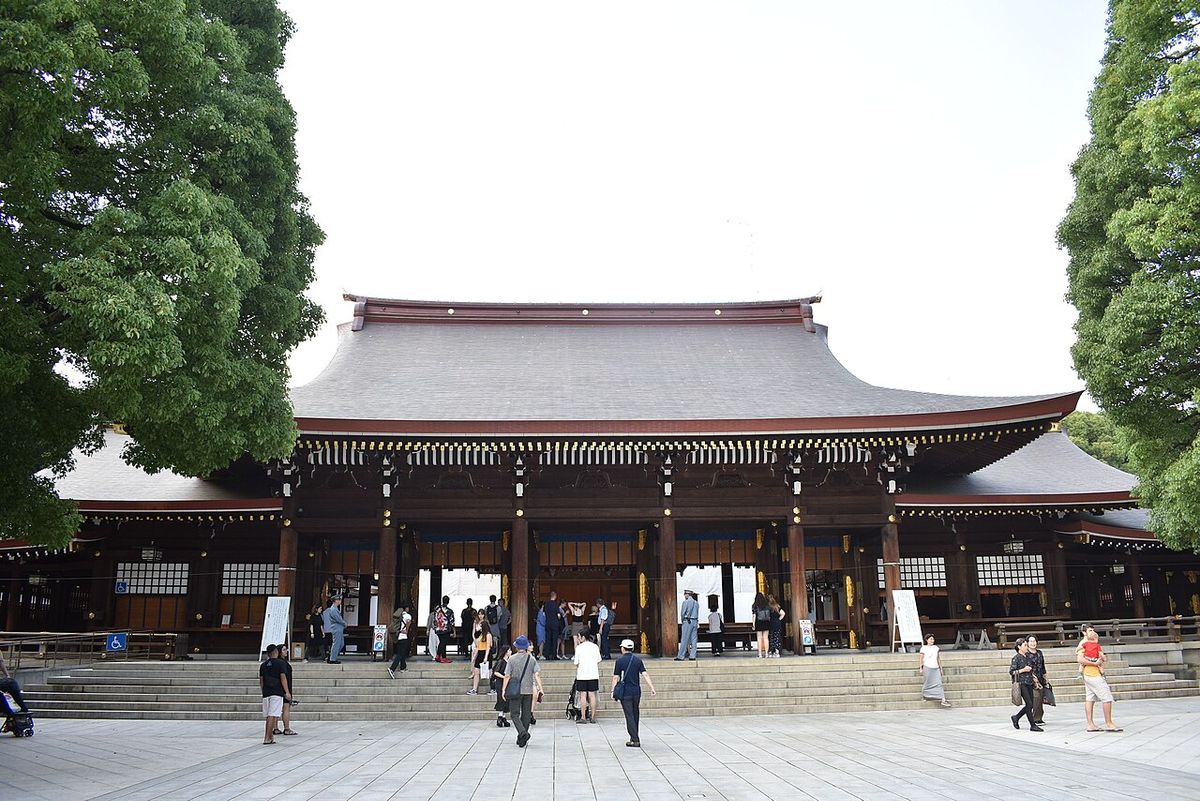
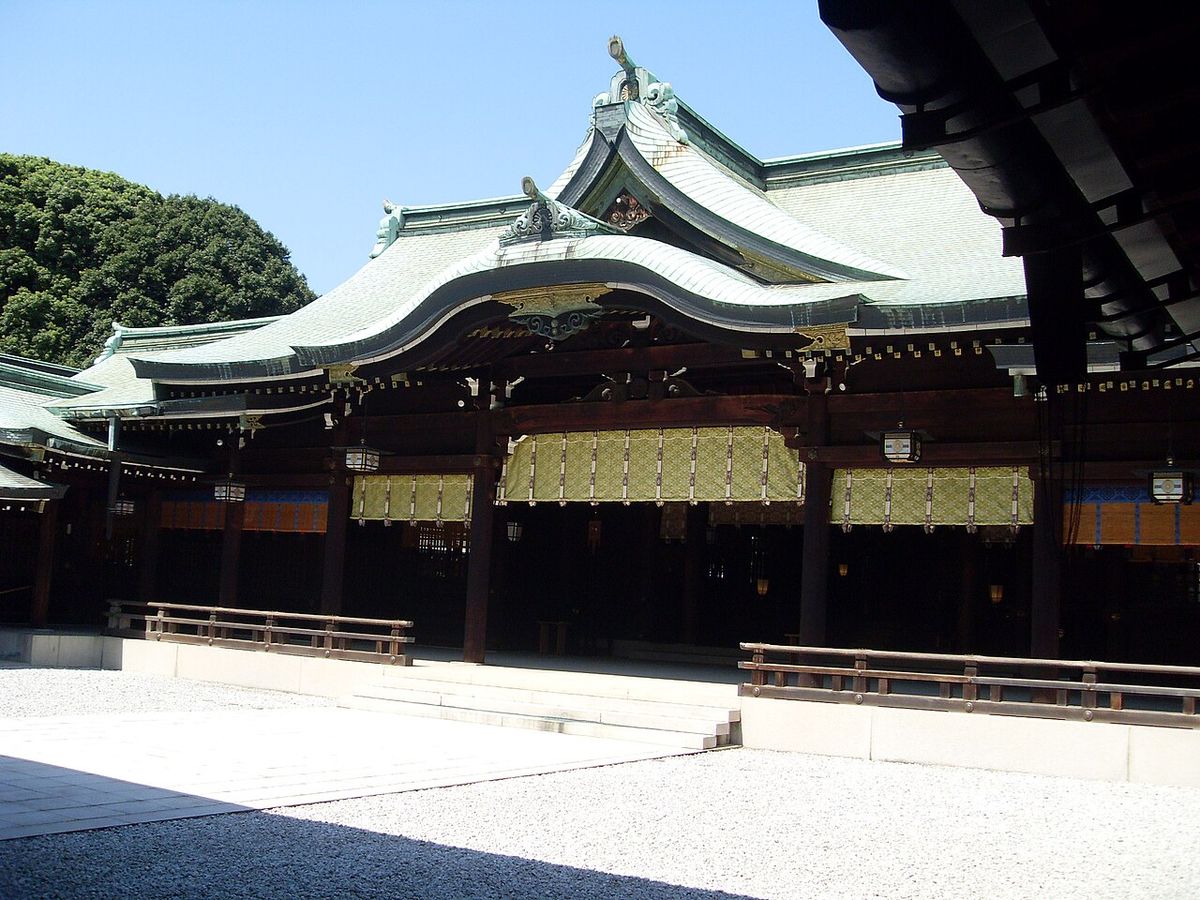
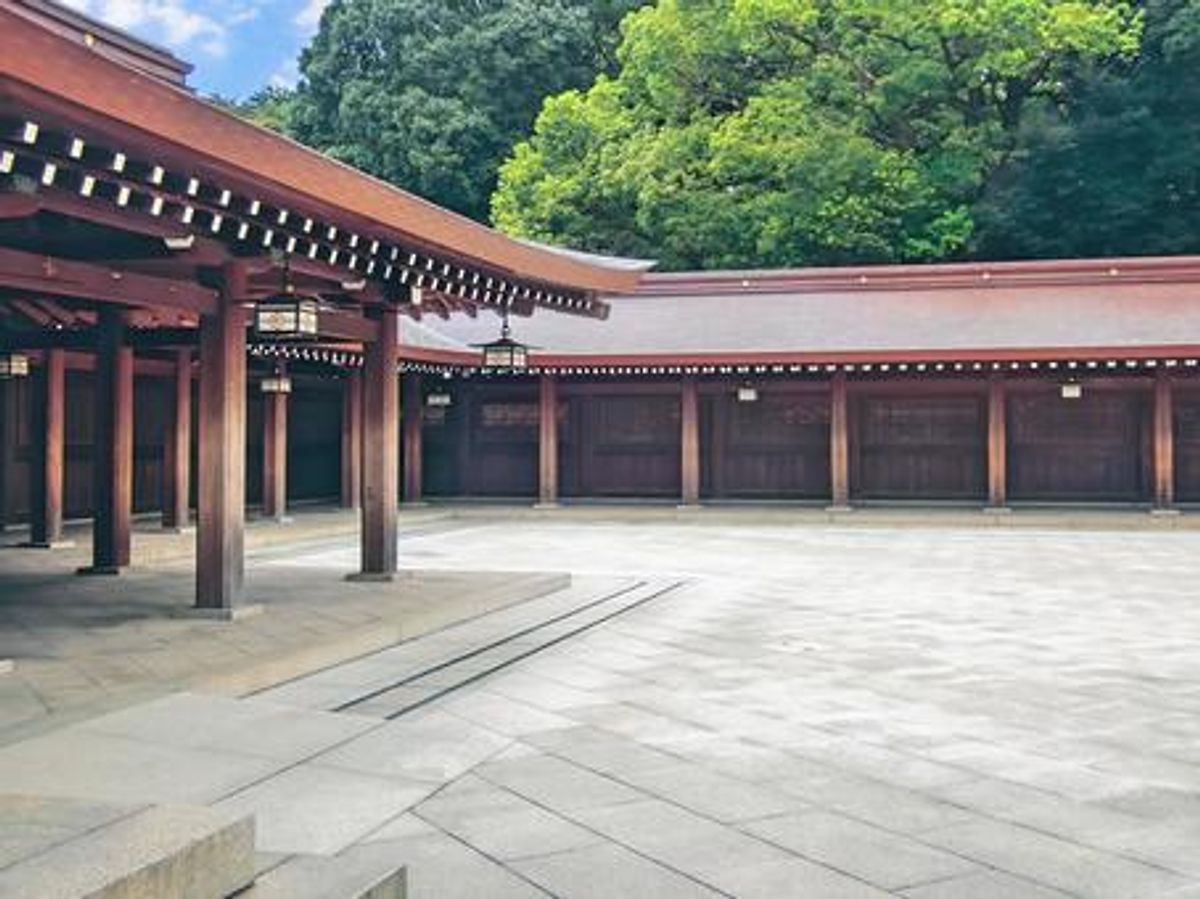
Positioned deep within the sanctuary forest, the Main Hall serves as the spiritual heart of Meiji Shrine, venerating Emperor Meiji and Empress Shoken. The architecture showcases classic Japanese shrine craftsmanship with copper-plated roofing and polished timber pillars radiating quiet dignity. When morning sunlight filters through the overhead canopy onto the cobblestone courtyard, it creates an atmosphere of deep tranquility. Slow down your pace here to perform traditional worship rites before selecting protective amulets.
✨ Key Highlights
- ■ Majestic Shrine Architecture: Impeccable wood joinery and copper roofing framed by deep green foliage.
- ■ Traditional Ritual Experience: A grounding cultural dialogue that helps wash away travel fatigue.
- ■ Shrine Amulets: Take home authentic talismans to commemorate your journey.
Grand Torii
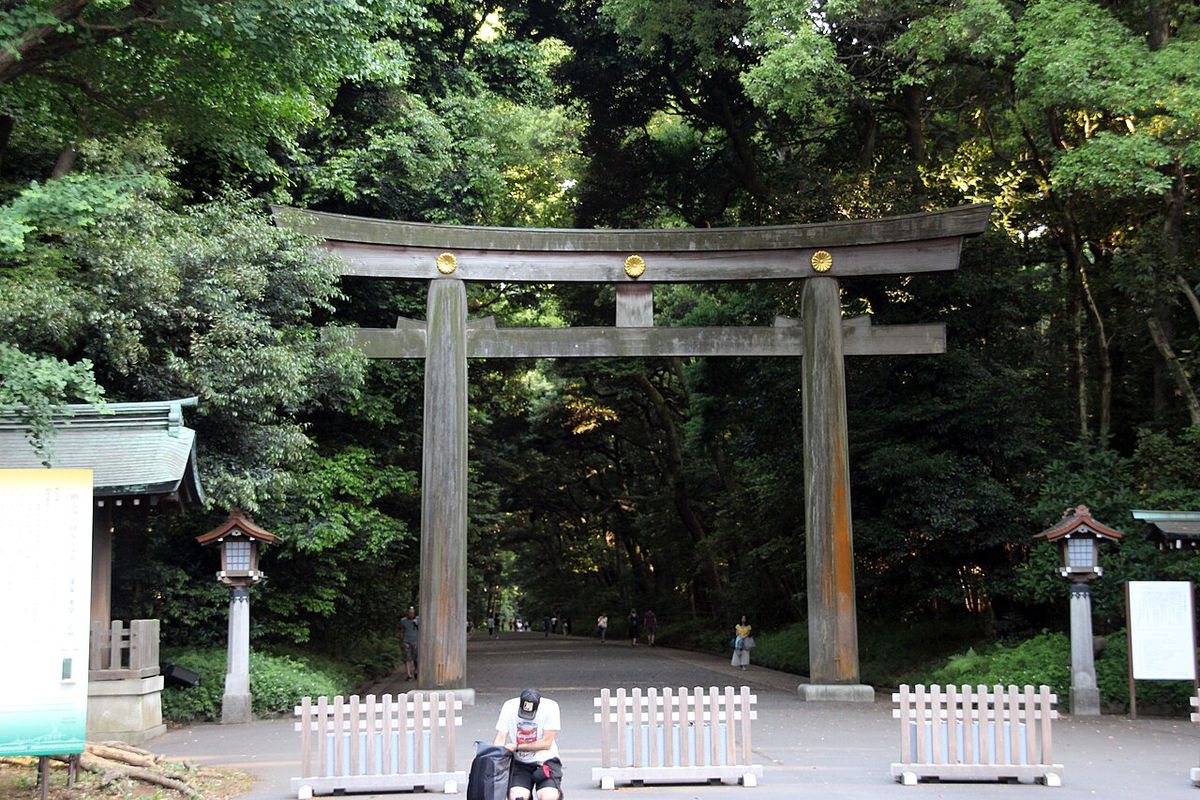
⏳ Recommended Duration: Approx. 15 minutes
📍 Location: Directly ahead of the South Entrance, 3–5 min walk from JR Harajuku Station
Standing at the southern threshold, this massive wooden gate is one of the largest Myojin-style torii structures in Japan. Built using towering cypress timber imported from Taiwan, standing beneath it delivers an awe-inspiring sense of scale.
✨ Key Highlights
- ■ Massive Timber Craftsmanship: Crafted from ancient natural cypress wood radiating a subtle earthy aroma.
- ■ Photo Landmark: A favorite gathering spot for visitors capturing the gateway to the sacred forest.
- ■ Threshold Ritual: Stepping past the gate signals your formal entrance into divine grounds.
Meiji Jingu Inner Garden & Kiyomasa's Well
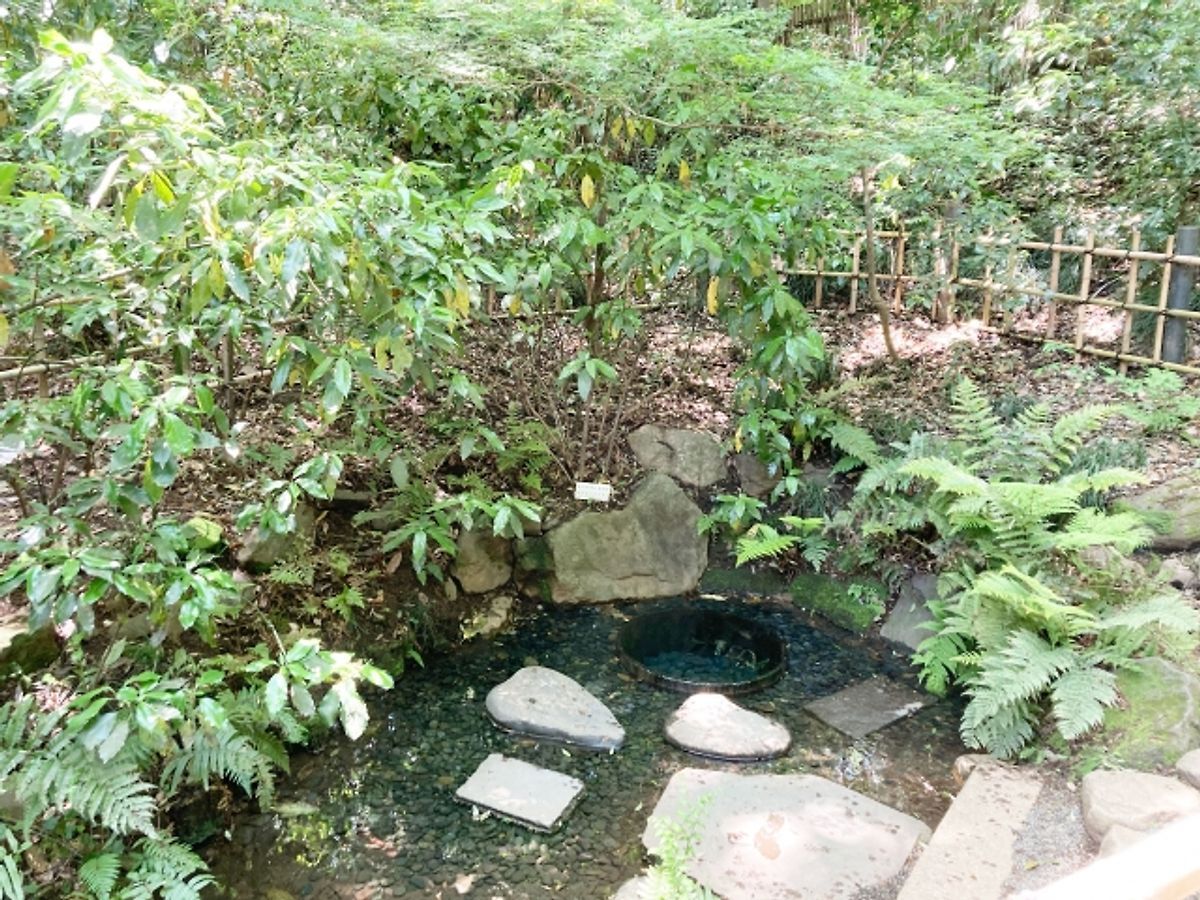
⏳ Recommended Duration: Approx. 30–45 minutes
📍 Location: South of the main shrine hall, a 10–15 min walk from the Harajuku entrance
This traditional landscape garden hidden within the shrine's southern sector features thriving flora and seasonal blooms. Its most famous feature is Kiyomasa's Well, an artesian spring dug by feudal lord Kato Kiyomasa that flows year-round, celebrated as a potent spiritual power spot.
✨ Key Highlights
- ■ Kiyomasa's Spring: Crystal-clear spring water flowing constantly to attract visitors seeking positive energy.
- ■ Seasonal Flora: Iris gardens bloom in early summer, while autumn brings vibrant red maples.
- ■ Quiet Pond Pathways: Peaceful walking trails away from the main crowds.
Meiji Jingu Museum
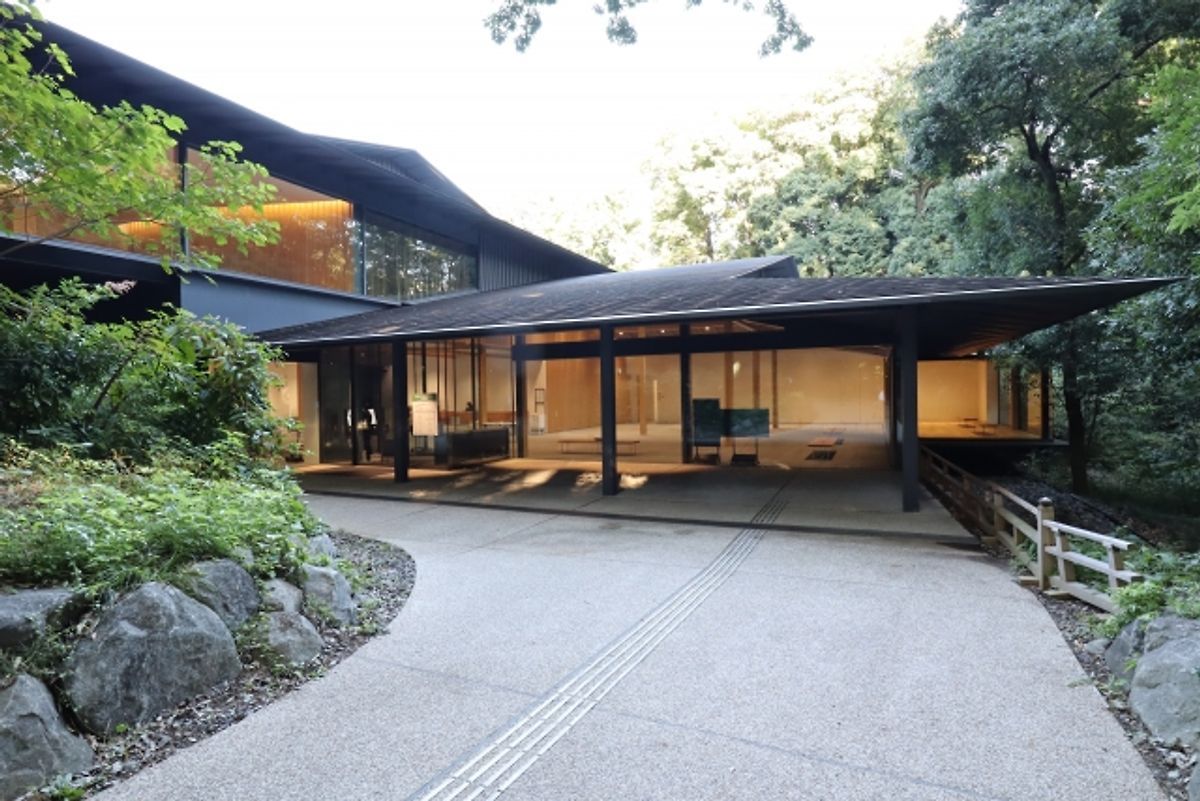
⏳ Recommended Duration: Approx. 45–60 minutes
📍 Location: Within the shrine forest, near the Main Hall precinct
Designed by renowned Japanese architect Kengo Kuma, the museum building blends seamlessly into the surrounding tree canopy. Inside, visitors can explore historical artifacts, ceremonial objects, and imperial garments associated with Emperor Meiji and Empress Shoken.
✨ Key Highlights
- ■ Master Architecture: Kengo Kuma's signature timber and glass facade harmonizing with ancient trees.
- ■ Historical Collections: Rare items documenting Japan's modern transformation.
- ■ Serene Gallery Spaces: Natural lighting and smooth layouts offering comfortable curation views.
Meoto Kusu (Conjoined Camphor Trees)
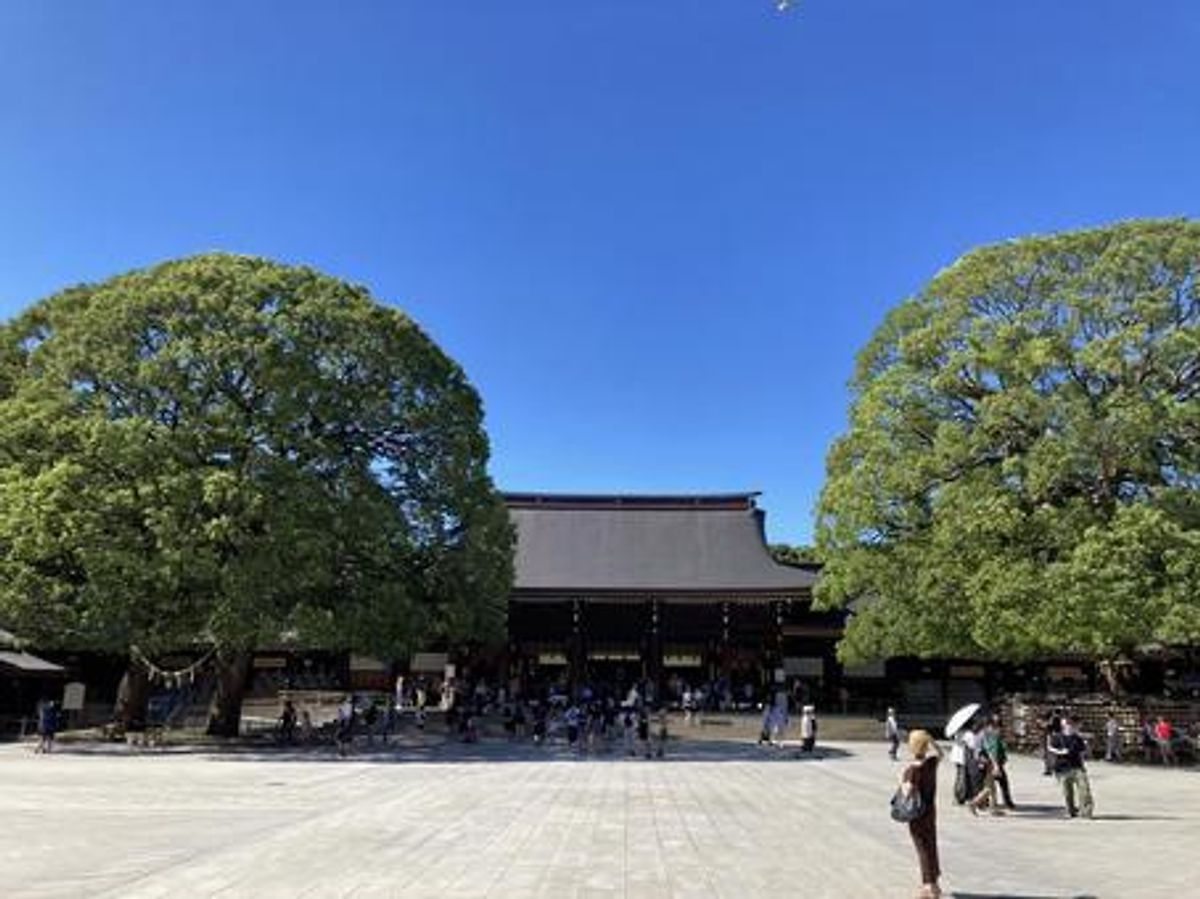
⏳ Recommended Duration: Approx. 10 minutes
📍 Location: Beside the plaza in front of the Main Hall
Two towering camphor trees stand side by side, bound together by a thick sacred straw rope (shimenawa). They are revered as sacred guardians symbolizing marital harmony, lasting love, and family unity.
✨ Key Highlights
- ■ Bond of Love: Twin ancient trees representing enduring partnership.
- ■ Sacred Shimenawa: Traditional straw rope connecting the trunks in Shinto aesthetic.
- ■ Courtyard Photo Spot: A popular stopping point for couples and travelers after visiting the altar.
Japanese Sake and Wine Barrels
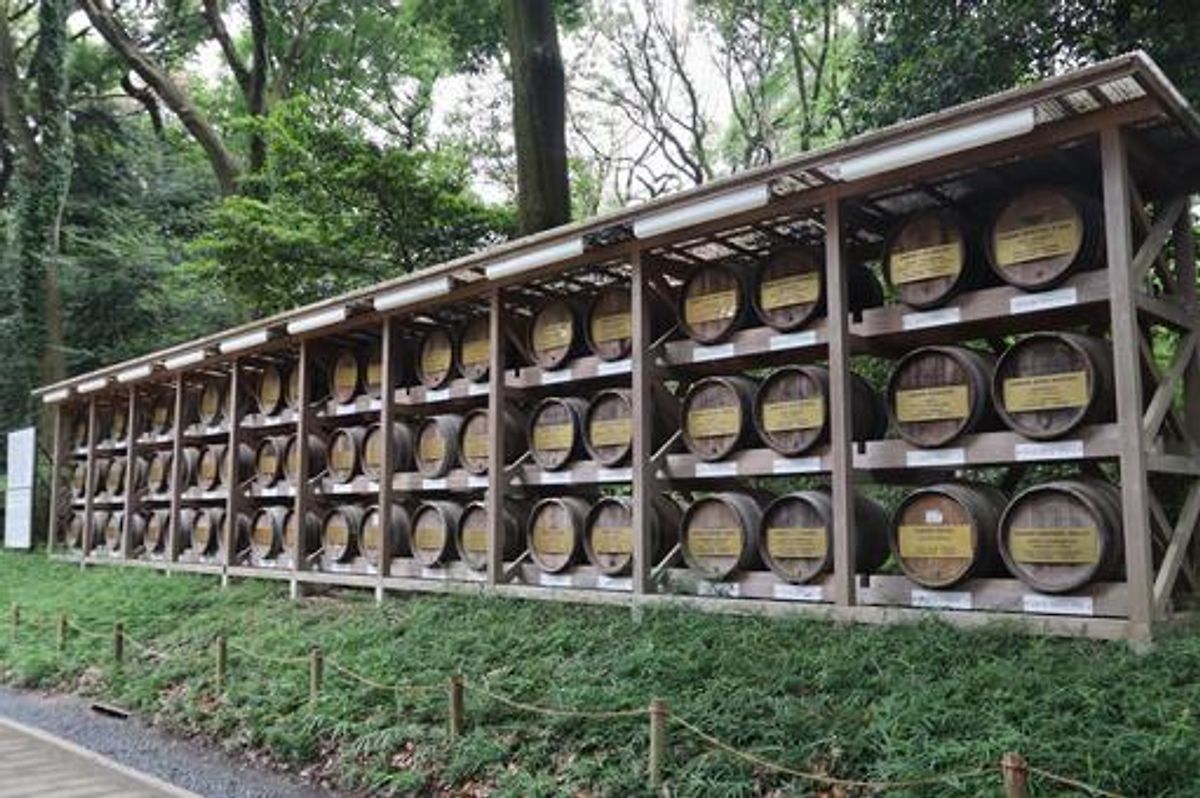
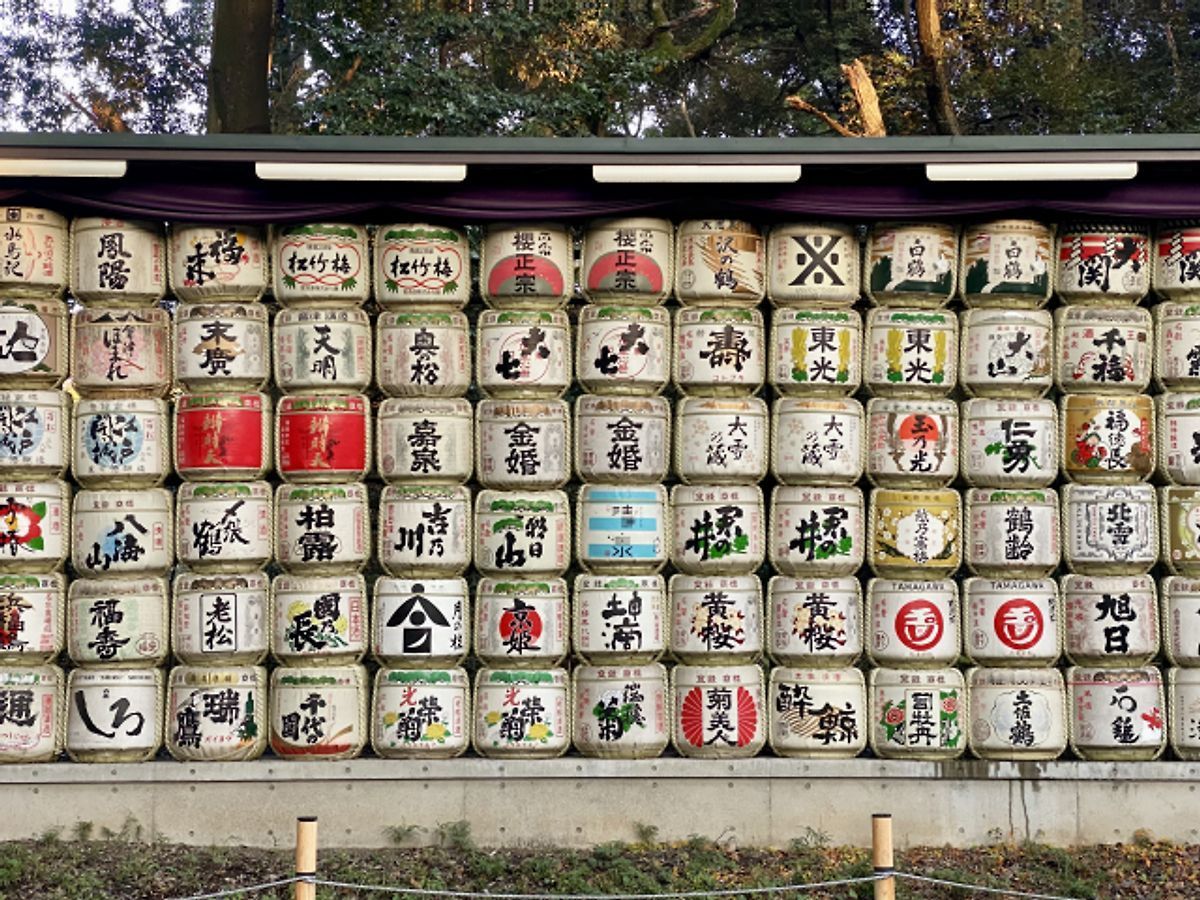
⏳ Recommended Duration: Approx. 10–15 minutes
📍 Location: Along the South Approach near the Grand Torii, 5–7 min walk from the entrance
Lining the path to the Main Hall are rows of decorated sake barrels offered to the deities by breweries across Japan, paired with an unexpected wall of donated French wine barrels. This visual display highlights both traditional brewing culture and Meiji-era internationalization.
✨ Key Highlights
- ■ East-Meets-West Culture: Traditional wooden sake casks paired with European wine barrels.
- ■ Popular Photo Backdrop: Colorful patterns make for an iconic photo stop.
- ■ Historical Significance: Reflects widespread public support for the shrine's construction.
Treasure Museum
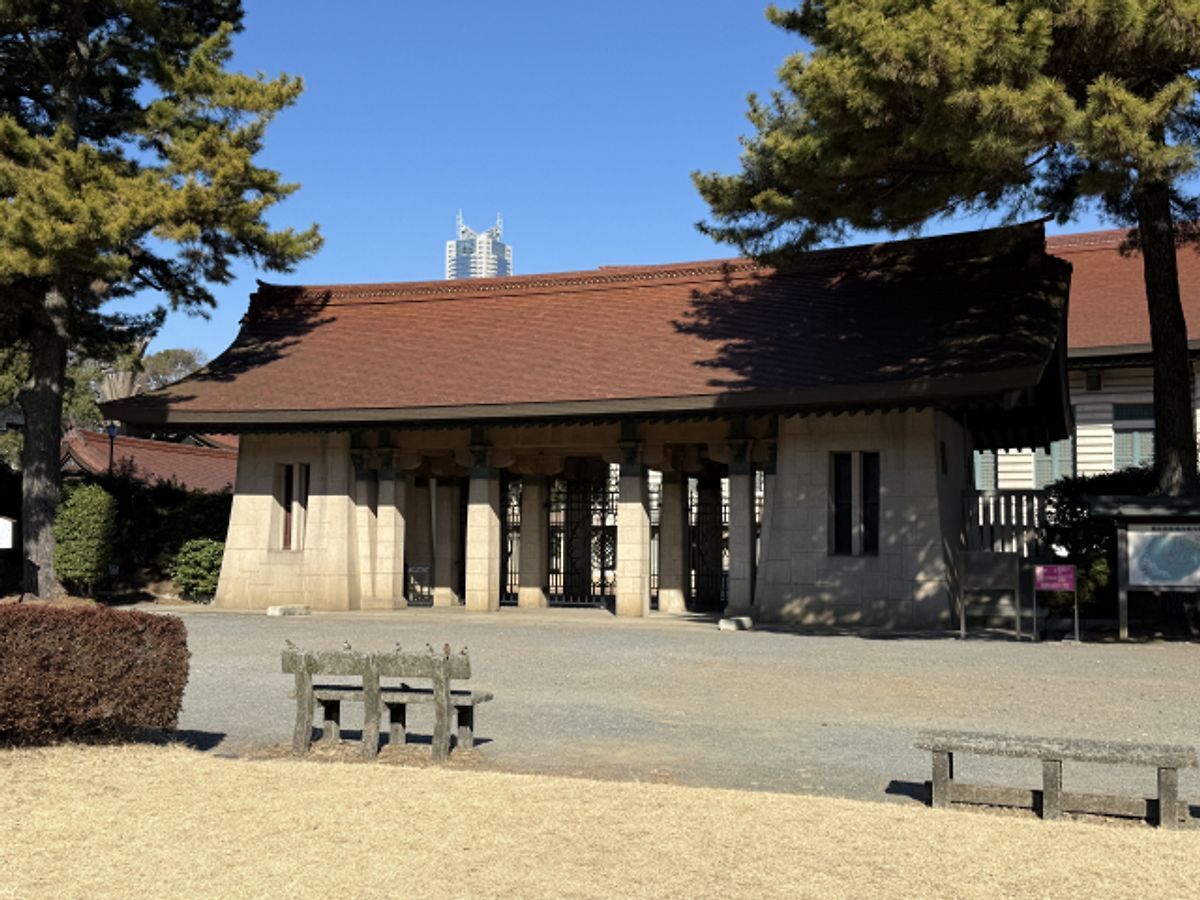
⏳ Recommended Duration: Approx. 20–30 minutes
📍 Location: Northern shrine grounds, 10 min walk north of the Main Hall near North Pond
Built in 1921 to house personal items used by Emperor Meiji and Empress Shoken, the Treasure Museum is a designated Important Cultural Property. Designed by architect Ito Chuta, it employs a classical raised-floor log-cabin-style reinforced concrete structure that merges traditional temple architecture with modern engineering.
✨ Key Highlights
- ■ Important Cultural Property: Masterwork of early 20th-century architectural heritage.
- ■ Imperial History: Windows into the lifestyle and history of the Meiji era.
- ■ Tranquil North Woods: Located in a peaceful zone surrounded by reflective ponds and quiet paths.
Turtle Stone (Kame-ishi)
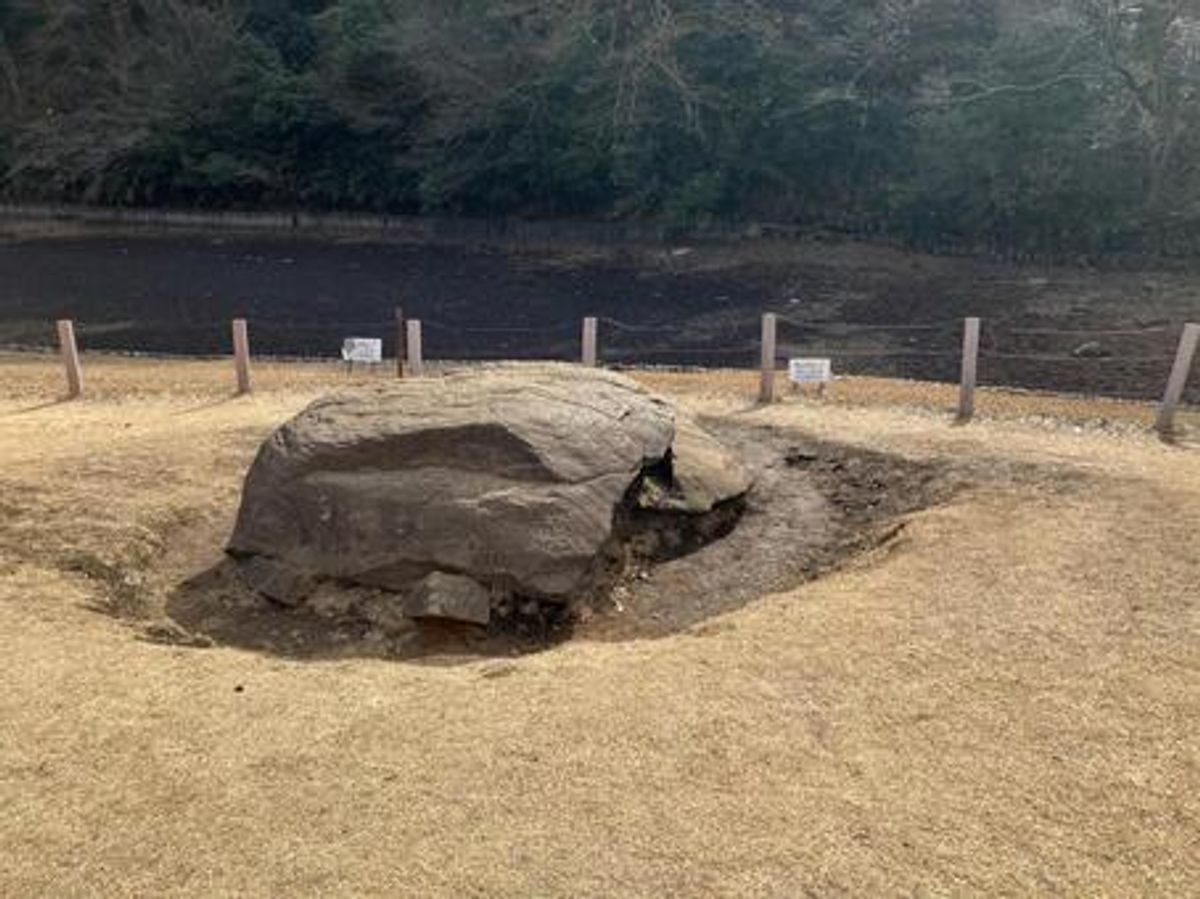
⏳ Recommended Duration: Approx. 10 minutes
📍 Location: Lawn area near the Treasure Museum and North Pond, north of the Main Hall
Resting quietly on the grass near the North Pond is a natural boulder weathered into the shape of a turtle. Because turtles symbolize longevity, good fortune, and stamina in Japanese folklore, this stone is regarded as a peaceful power spot.
✨ Key Highlights
- ■ Natural Rock Formation: Weathered boulder bearing a striking resemblance to a turtle peering toward the water.
- ■ Longevity Symbol: Associated with health and spiritual renewal.
- ■ Off-the-Beaten-Path Corner: A serene northern retreat far from the main visitor flow.
Meiji Shrine: Visiting Tips
- ■ Gravel Pathways: The pathways consist of loose stone gravel; avoid high heels or delicate shoes and wear supportive sneakers.
- ■ Rain Gear: Forest trees offer light cover during drizzle, but open courtyards lack shelters—bring an umbrella if rain threatens.
- ■ Summer Mosquito Repellent: Lush woodland areas mean mosquitoes are active in warmer months; pack insect repellent.
- ■ Seasonal Closing Hours: Closing times shift earlier in winter as sunlight fades, locking gates around 4:00 PM.
Meiji Shrine: Nearby Dining Recommendations (Pre- & Post-Worship Bites)
AFURI Harajuku
💰 Price Range: Approx. ¥1,000 – ¥2,000
📍 Address: 3-63-1 Sendagaya, Shibuya City, Tokyo (3–5 min walk from JR Harajuku and Meiji-jingumae stations) ()
⏳ Business Hours: 10:00 AM – 11:00 PM
✨ Must-Try: Yuzu Shio Ramen, Yuzu Spiced Ramen, Charred Chashu, Yuzu Ale
After soaking in the calm shrine atmosphere, walk just a few minutes to this popular, stylish ramen shop. Featuring upbeat R&B music instead of traditional ramen-shop noise, AFURI serves its signature Yuzu Shio Ramen with a golden, chicken-based broth infused with natural yuzu citrus and topped with charcoal-grilled pork chashu.
✨ Dining Highlights
- ■ Refreshing Yuzu Aroma: Broth combines chicken umami with zesty natural citrus for a clean finish.
- ■ Modern Interior: Sleek, minimalist dining room breaking away from cramped noodle bars.
- ■ Dietary Options: Offers vegan ramen bowls catering to diverse dietary preferences.
- ■ Charred Pork Balance: Smoky char siu contrasts deliciously with tangy broth.
👉 Best For
- ■ Travelers seeking lighter, non-greasy ramen styles.
- ■ Food lovers looking for a top-rated Tokyo meal right after shrine visits.
Harajuku Gyoza Lou
💰 Price Range: Approx. ¥1,000 – ¥2,000
📍 Address: 6-2-4 Jingumae, Shibuya City, Tokyo (5–8 min walk from JR Harajuku Station near Cat Street) ()
⏳ Business Hours: 11:30 AM – 9:30 PM
✨ Must-Try: Pan-Fried Dumplings, Boiled Dumplings, Pork Miso Bean Sprouts, Miso Cucumber
Tucked away in a Harajuku side alley, this legendary dumpling spot consistently draws eager queues. The casual, lively interior focuses on simple, expertly prepared fried and boiled dumplings with crisp bottoms and juicy fillings.
✨ Dining Highlights
- ■ Affordable Value: Exceptional pricing in a notoriously high-cost shopping district.
- ■ Crispy Textures: Dumplings fried golden brown and juicy on the first bite.
- ■ Classic Side Dishes: Crunchy pork miso bean sprouts round out the meal.
- ■ Lively Counter Vibe: Watch chefs prep orders right before your eyes.
👉 Best For
- ■ Visitors craving authentic, wallet-friendly local bites in Harajuku.
- ■ Casual diners who enjoy an energetic, bustling neighborhood atmosphere.
FOREST TERRACE Meiji Jingu / Mori no Terrace
💰 Price Range: Approx. ¥1,000 – ¥2,000
📍 Address: 1-1 Yoyogikamizonocho, Shibuya City, Tokyo (Located inside the shrine grounds near the Harajuku entrance) ()
⏳ Business Hours: 9:00 AM – 4:00 PM (Certain dining areas open until 6:00 PM)
✨ Must-Try: Beef Hayashi Omurice, Curry Rice, Matcha Ice Cream, Craft Beer
If you prefer not to leave the shrine grounds, this rest facility near the main entrance offers comfortable indoor dining with floor-to-ceiling windows overlooking green lawns and towering trees.
✨ Dining Highlights
- ■ Forest Views: Dine right alongside peaceful park greenery and natural sunlight.
- ■ Relaxed Comfort: Spacious seating ideal for families with children or seniors.
- ■ Seamless Itinerary: Stay inside the sanctuary without extra walking.
- ■ Crowd-Pleasing Menus: Classic omelet rice, curries, and desserts suited for all ages.
👉 Best For
- ■ Multi-generational families wanting a relaxed meal within the shrine.
- ■ Visitors looking for a quiet afternoon tea surrounded by nature.
Meiji Shrine: Souvenirs & Shopping Guide
Meiji Jingu Shop 'Mori'
🛍️ What to Buy: Original Meiji Shrine Omamori, Goshuin Books, Fine Crafts & Souvenirs
📍 Address: Located inside the Forest Terrace complex near the Harajuku entrance ()
⏳ Business Hours: 9:00 AM – 4:00 PM
⏰ When to Visit: On your way out of the shrine grounds back toward Harajuku Station
This official shop stocks an exclusive variety of souvenirs and protective amulets unique to Meiji Shrine, making it a mandatory stop for amulet collectors. The interior is clean, organized, and stocked with thoughtful blessings.
Kiddy Land Harajuku
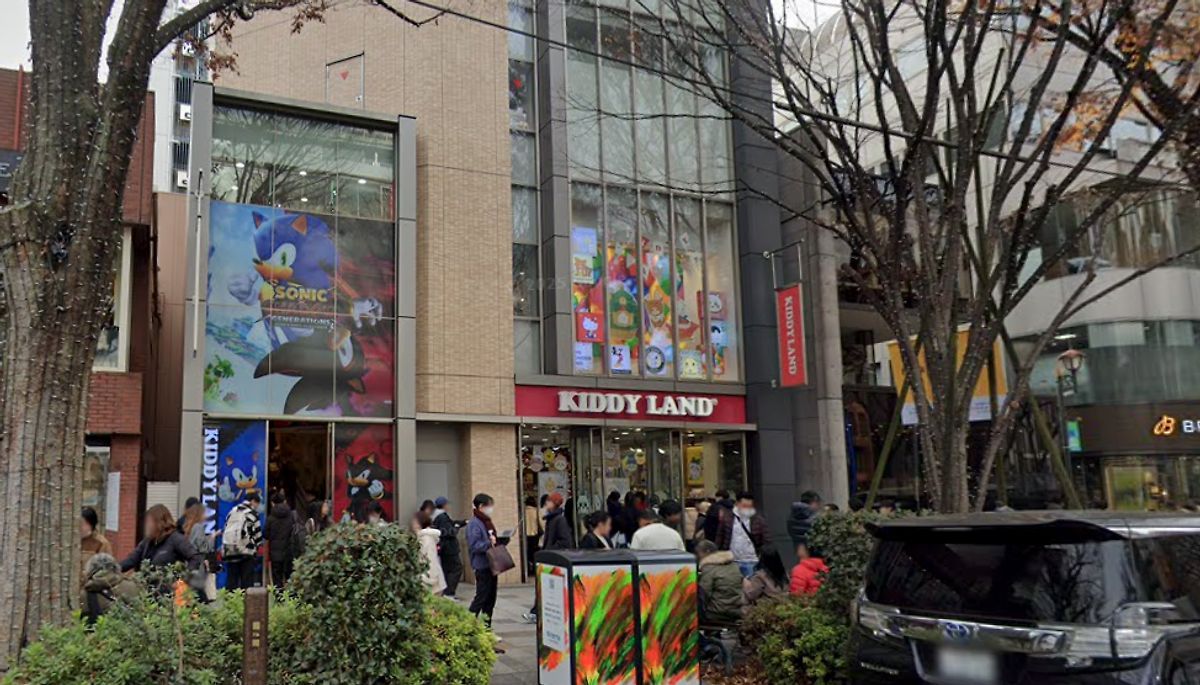
🛍️ What to Buy: Chiikawa, Sumikkogurashi, Rilakkuma, and Major Character Toys & Goods
📍 Address: 6-1-9 Jingumae, Shibuya City, Tokyo (7–10 min walk from JR Harajuku Station) ()
⏳ Business Hours: 11:00 AM – 8:00 PM
⏰ When to Visit: In the afternoon after completing morning worship and lunch
One of Tokyo's most iconic toy emporiums, spanning multiple floors dedicated to Japan's most popular character brands and pop-culture merchandise.
Takeshita Street
🛍️ What to Buy: Harajuku Crepes, Rainbow Cheese Toast, Trendy Apparel & Street Snacks
📍 Address: 1-16-6 Jingumae, Shibuya City, Tokyo (Directly across from JR Harajuku Takeshita Exit) ()
⏳ Business Hours: All-day street access (Most shops open 10:00 AM – 8:00 PM)
⏰ When to Visit: Right when arriving or departing the station to soak in youth culture
The epicenter of Tokyo youth fashion and street snacks, packed with quirky boutiques, creperies, and vibrant energy.
Meiji Shrine: Nearby Attractions
Yoyogi Park
Omotesando Hills
Togo Shrine
Meiji Shrine: Nearby Hotels
Finding the perfect shinjuku hotels option is a core priority for every traveler visiting Tokyo. As the largest transportation hub in Tokyo, Shinjuku Station features dozens of exits and intricate subway lines, making it exceptionally convenient whether you are heading to Hakone, Kamakura, or exploring downtown shopping malls, or browsing Shibuya hotels for a trendy, fashion-forward stay.
Hotel Name | Best For | Location & Access Highlights | Price Range | Key Considerations |
Group & Family Stays | Shinjuku area convenience | US$283 / night | Room availability varies during peak seasons | |
Traditional Onsen Vibe | 8 min walk from station | US$135 / night | Moderate walking distance to JR main lines | |
Budget Travelers & Value | Near Shinjuku-sanchome Station | US$81 / night | Compact rooms; luggage layout requires planning | |
Shoppers & Nightlife Fans | Kabukicho entrance | US$155 / night | Busy nightlife surroundings can be lively at night | |
Airport Direct Access | 1 min from JR South Exit | US$127 / night | High demand requires early advance booking |
More detailed reviews and price comparisons can be found in our complete Shinjuku Hotels Guide guide.

Meiji Shrine: Founding History & The Everlasting Forest Project
The creation of Meiji Shrine stems from the deep affection and reverence held by Japanese citizens for Emperor Meiji and Empress Shoken. Following the passing of Emperor Meiji in 1912, the public and government initiated plans to establish a permanent monument honoring his leadership in modernizing Japan. After careful evaluation, the Yoyogi plain—once an imperial iris garden—was selected, and the shrine was completed in 1920.
One of the most remarkable forestry achievements in history, the 'Everlasting Forest' project was masterminded by leading botanists who envisioned urban growth a century ahead. They mapped out a multi-generational succession plan starting with resilient broadleaf and evergreen species that would naturally mature into a self-sustaining native ecosystem requiring zero human intervention today. Every ancient tree you pass along the approach stands as living proof of this botanical miracle.
Unlocking Your Meiji Shrine Journey
Meiji Shrine is more than just a tranquil green sanctuary in central Tokyo; it is a harmonious blend of native forest, profound history, and seamless accessibility. Plan your visiting hours and specific auxiliary stops (such as the Inner Garden or Museum) ahead of time, and easily combine your worship with nearby treats at AFURI Harajuku and shopping in Harajuku. Master your transit schedule to beat the crowds and enjoy a fulfilling and restorative Tokyo experience!