Mito Itinerary 2026: 11 Best Things to Do in Ibaraki's Historic Capital
Planning an escape from bustling downtown Tokyo brings you to Mito, a city rich in Edo period heritage, stunning landscape gardens, and serene lakeside views. Easily reached via a direct express train from Tokyo, Mito is an exceptional destination whether you want to admire Japan's premier plum blossoms, explore samurai history, or savor authentic local natto and anglerfish hot pot. This comprehensive guide details everything you need for a seamless trip to mito japan, organizing transit, itineraries, and must-eat specialties into one easy-to-follow plan.
* Some links in this article are affiliate links. If you purchase through them, we may earn a small commission at no extra cost to you. Thank you for your support!
Exploring Mito Attractions: Tokugawa History and Ibaraki Landscapes
As the castle town of the Mito Domain—one of the three branches of the ruling Tokugawa family during the Edo period—Mito carries a profound historical legacy. Unlike fast-paced Tokyo, the city blends classic landscape gardens, contemporary art, and local gastronomy into a relaxed atmosphere, making it ideal for a slow-paced getaway in Ibaraki.
Around Mito Station and Core District Highlights
- ■ Historic Roots: The city preserves samurai-era heritage at Kodokan and the meticulously restored Mito Castle Ruins, offering a tangible connection to the Tokugawa shogunate.
- ■ Natural Scenery & Gardens: Centered around the expansive Kairakuen Garden and scenic Senba Lake, the area showcases vibrant spring plum blossoms and tranquil year-round greenery.
- ■ Contemporary Art Landmarks: Striking modern structures like the spiral-spired Art Tower Mito and lakeside The Museum of Modern Art, Ibaraki infuse the historic town with a forward-looking creative energy.
Mito Itinerary: Top Sightseeing Plans
While Mito's main sights are relatively close to one another, balancing historic monuments, landscape gardens, and lakeside walks requires careful planning depending on your available time. Below are recommended standard itineraries tailored to different trip lengths and travel styles:
Duration / Pace | Focus Style | Core Highlights | Tips & Notes |
Half-Day Express | Station-Area History Stroll | Walking distance is around 3-4 km; ideal for business travelers or tight schedules | |
Full-Day Classic | Garden & Lakeside Deep Stroll | Utilize local buses; expect a high step count, so wear comfortable walking shoes | |
2-Day Slow Travel | Cultural & Culinary Immersion | Kairakuen Garden, Ibaraki Prefectural Museum of History, Ibaraki Prefectural Office Observation Lobby, local eateries | Perfect for food lovers wanting to try ankou-nabe and experience local life |
- ■ Half-Day Visitors: Focus on walking-distance sites around the station, including Kodokan and Mito Castle Ruins, to get a taste of samurai culture.
- ■ Full-Day Explorers: Combine Kairakuen Garden, Kobuntei, and Senba Lake for a morning of historic gardens and an afternoon of lakeside relaxation.
- ■ Slow Travelers: Add the Ibaraki Prefectural Museum of History and Art Tower Mito, staying overnight near the station to sample local domain ramen and regional cuisine.
- ■ Family & Senior Groups: Rely on local buses rather than walking the entire distance, and build in plenty of rest breaks around Senba Lake.
- ■ Souvenir & Food Connection: Wrap up your sightseeing near the station to pick up traditional natto souvenirs and enjoy local dining favorites.
Classic Mito One-Day Route Plan
Time Slot | Destination | Recommended Stay | Transit & Tips |
09:00–11:00 | Approx. 1.5 hours | 8-minute walk from JR Mito Station North Exit; best visited early for quiet morning light | |
11:15–12:15 | Approx. 45 minutes | A quick 5-minute walk from Kodokan to admire the newly restored historic gate | |
12:30–13:30 | Lunch in Downtown Mito (e.g., Sansui) | Approx. 1 hour | Recharge with local regional dishes or natto set meals |
14:00–16:30 | Approx. 2.5 hours | Take a bus or seasonal train from Mito Station; tour the historic wooden pavilion | |
16:45–17:45 | Approx. 1 hour | Within walking distance from Kairakuen; enjoy sunset views and waterfowl as day turns to dusk |
A well-paced Mito day trip pairs morning historical explorations with afternoon nature walks at Kairakuen Garden and Senba Lake. This balance helps avoid midday crowds and captures the best lighting for photography. If visiting during plum blossom season, allow extra time at Kairakuen.
- ■ Aim to arrive at Kodokan by 9:00 AM for optimal lighting and tranquility.
- ■ Choose a historic long-established restaurant near the station or old town for lunch.
- ■ Board a local route bus when transferring to Kairakuen to save your energy.
- ■ Lakeside winds at Senba Lake can be chilly in autumn and winter; dress warmly.
- ■ Wind down your evening at a lakeside café overlooking the sunset.
Getting Around Mito: JR Joban Line and Local Transit
Traveling from Tokyo to Mito is quick and straightforward, relying primarily on the JR Joban Line Limited Express. Whether departing from Tokyo Station or Ueno Station, trains run directly to JR Mito Station, making rail and local bus combinations the most efficient way to explore Ibaraki.
- ■ Direct Express Trains: Board the JR Joban Line Limited Express (Hitachi or Tokiwa) from Tokyo or Ueno Station to reach Mito Station in about 1 hour and 15 minutes with comfortable, frequent service.
- ■ Local Bus Network: Mito Station's North Exit bus terminal provides frequent connections to Kairakuen, Senba Lake, and major sightseeing spots.
- ■ Recommended Transit Pass: Consider purchasing the Mito Excursion 1-Day Bus Pass issued by Ibaraki Kotsu, which covers unlimited local bus rides within the designated zone and offers admission discounts for Kairakuen Kobuntei and Kodokan.
- ■ Luggage Storage: JR Mito Station features numerous coin lockers and manned baggage storage services, allowing travelers with heavy bags to explore light.
Japan Around Tokyo Travel Tickets · Latest Deals✨
Top 11 Things to Do in Mito: Gardens, Castles & Lakeside Sights
Kairakuen Garden
⏳ Recommended Stay: Approx. 2 hours
🎫 Admission: Free entry to park grounds (separate ticket required for Kobuntei interior)
📍 Address: 1-3-3 Tokiwacho, Mito City, Ibaraki ()
🕐 Hours: Daily 06:00–19:00
🚇 Access: Take a 15-minute bus ride from JR Mito Station North Exit to 'Kairakuen-mae' or 'Kairakuen-Tokiwa-Jinja-mae'
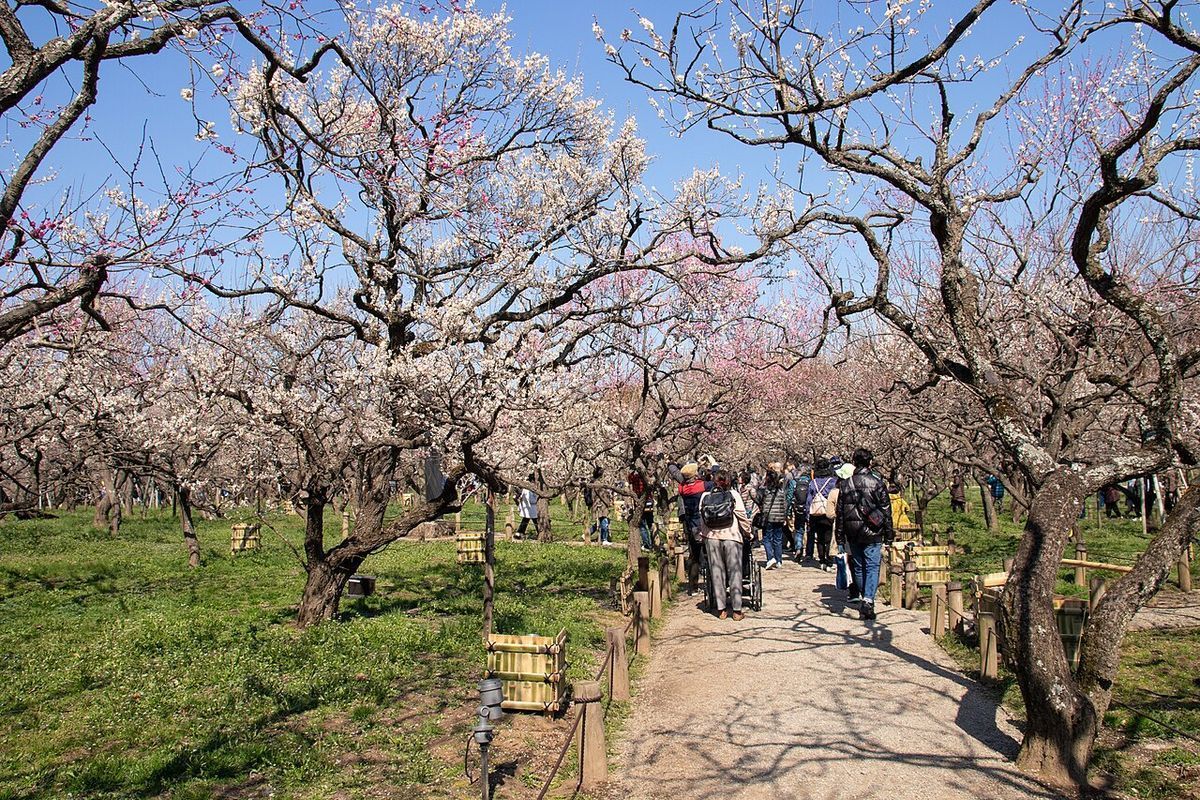
Ranked among Japan's three great landscape gardens alongside Kenrokuen in Kanazawa and Korakuen in Okayama, Kairakuen was established in 1842 by Tokugawa Nariaki, the 9th lord of Mito. Famous for its more than 3,000 plum trees spanning over one hundred varieties, it hosts the vibrant Mito Plum Festival from late February to late March. Unlike traditional strolling gardens designed for private seclusion, Kairakuen was envisioned as a shared space for the public to enjoy.
✨ Key Highlights
- ■ Home to over 3,000 plum trees across a vast range of varieties, serving as a premier early-spring destination.
- ■ Features dense bamboo groves and cedar woods intersecting with historic stone pathways.
- ■ Offers sweeping elevated views of Senba Lake and the city skyline from Kobuntei and the observation decks.
- ■ Situated adjacent to Tokiwa Shrine and Kobuntei, making it easy to combine multiple cultural sights.
Kobuntei
⏳ Recommended Stay: Approx. 45 minutes
🎫 Admission: Standard adult ticket applies; combo tickets available with Kairakuen
📍 Address: 1-3-3 Tokiwacho, Mito City, Ibaraki (Located inside Kairakuen) ()
🕐 Hours: Daily 09:00–16:45
🚇 Access: Located within Kairakuen grounds; a short walk through the plum grove from the main gate
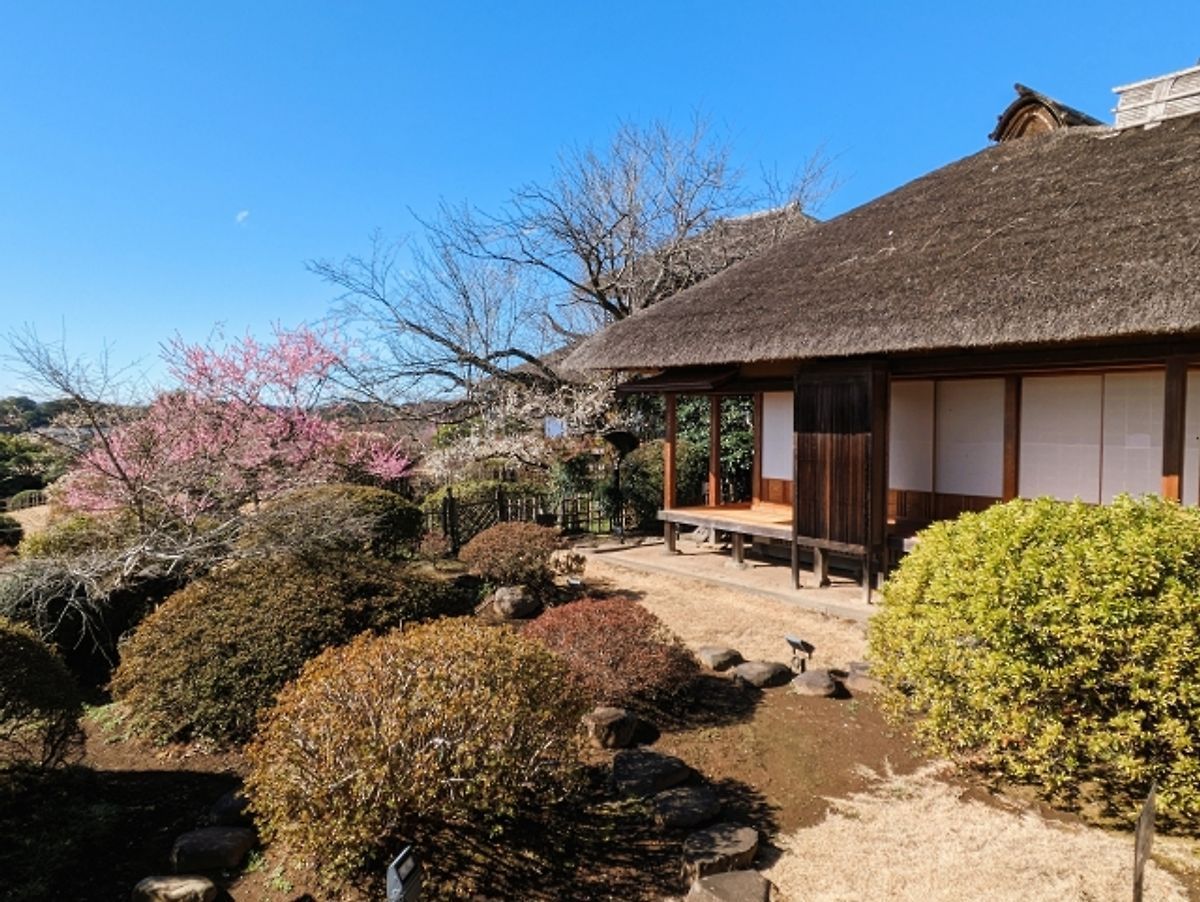
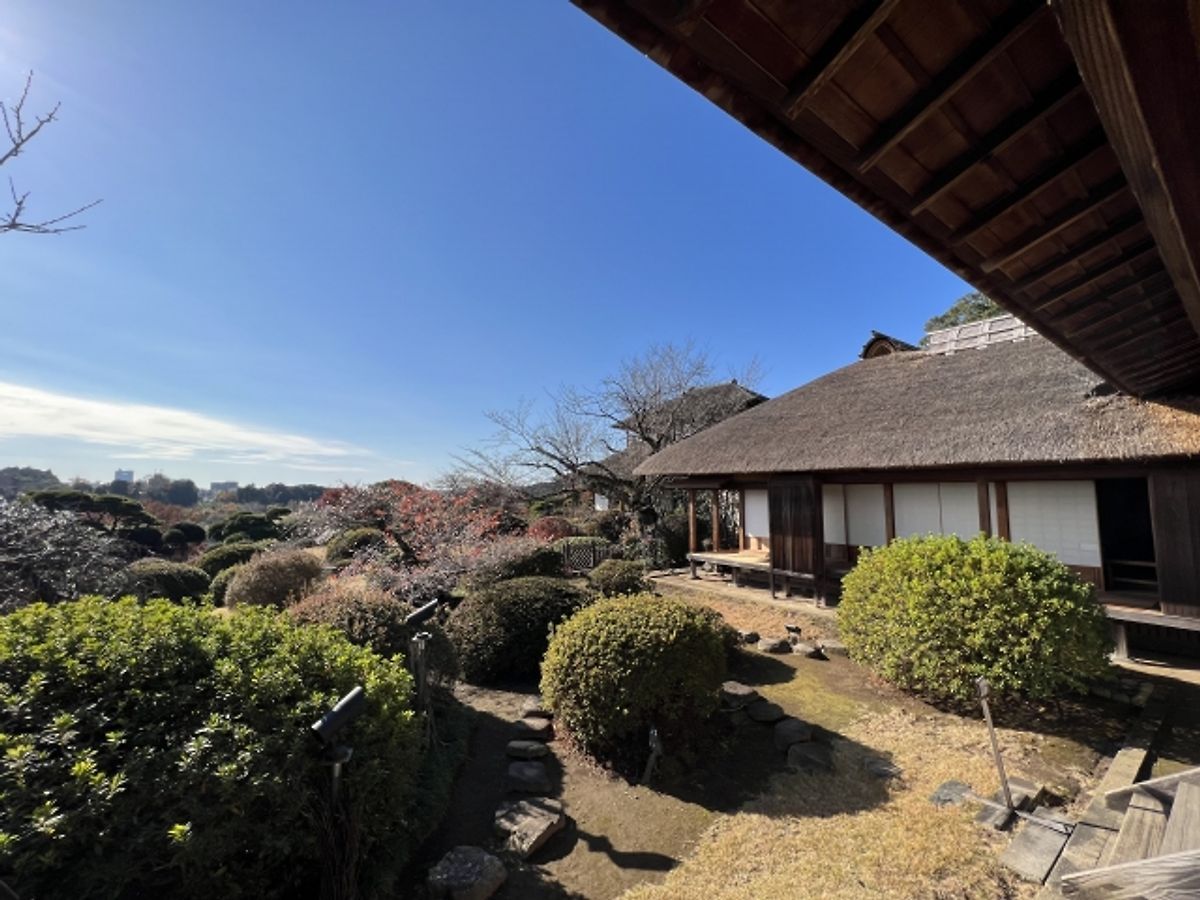
Nestled within the depths of Kairakuen, Kobuntei is an elegant wooden pavilion designed by Tokugawa Nariaki for relaxation and hosting literary figures. Comprising a main building and the three-story Taikoro tower, its interior reflects refined Edo-era aesthetics with painted sliding doors and traditional partitions. Climbing to the top floor of the Taikoro tower rewards visitors with expansive views overlooking the plum orchards and Lake Senba.
✨ Key Highlights
- ■ Exquisite traditional wooden architecture featuring authentic tatami rooms and painted screen walls.
- ■ Top-floor observation point in the Taikoro tower offering panoramic views of Lake Senba and the surrounding greenery.
- ■ Historic gathering place where feudal lords and poets composed verse and held tea ceremonies.
- ■ Visitors remove shoes and follow a designated route to appreciate the intricate craftsmanship.
Kodokan
⏳ Recommended Stay: Approx. 1.5 hours
🎫 Admission: Paid admission at entrance
📍 Address: 1-6-29 Sannomaru, Mito City, Ibaraki ()
🕐 Hours: Daily 09:00–16:30
🚇 Access: 8-minute walk from JR Mito Station North Exit
Constructed at the end of the Edo period, Kodokan was the largest feudal domain school in Japan, dedicated to educating samurai youth in both academics and martial arts. Designated as an Important Cultural Property, walking through its main hall and classrooms evokes the studious atmosphere of past scholars. Plum trees blanket the surrounding grounds, creating a picturesque contrast against the historic wooden architecture in spring.
✨ Key Highlights
- ■ Japan's largest Edo-period domain school, bearing witness to the evolution of Japanese education.
- ■ Preserved main halls, study rooms, and martial training facilities classified as cultural properties.
- ■ Quiet grounds filled with plum trees, offering a peaceful historic retreat in the city center.
- ■ Extremely convenient walking distance from Mito Station, making it an ideal first stop.
Senba Lake
⏳ Recommended Stay: Approx. 1 hour
🎫 Admission: Open 24 hours, free admission
📍 Address: Senbacho, Mito City, Ibaraki ()
🚇 Access: 15-minute walk from JR Mito Station South Exit, or take a bus to 'Senbako'
Senba Lake is a circular urban body of water that serves as a recreational hub for local residents. Surrounded by tree-lined walking paths and frequented by swans and waterfowl, the area offers swan boat rentals and lakeside cafés. Whether jogging in the crisp morning air or watching the sunset cast a golden glow across the water, the lake provides a calming escape.
✨ Key Highlights
- ■ Central urban park featuring a well-maintained loop trail ideal for walking and jogging.
- ■ Habitats for swans and waterfowl, with rental boats available for leisure on the water.
- ■ Seamlessly connects with Kairakuen Garden and Tokiwa Shrine for a complete nature walk.
- ■ Romantic sunset vistas over the lake make it a favorite spot for photography.
Mito Castle Ruins (Otemon Gate & Ninomaru Yagura)
⏳ Recommended Stay: Approx. 45 minutes
🎫 Admission: Open 24 hours, free admission
📍 Address: 9 Sannomaru, Mito City, Ibaraki ()
🕐 Hours: Open 24 hours
🚇 Access: 10-minute walk from JR Mito Station North Exit, located near Kodokan
Formerly the residence of the Mito Tokugawa clan, Mito Castle suffered heavy damage over the centuries, but rigorous historical research and reconstruction have revived its majestic Otemon Gate and Ninomaru Yagura turret. The towering wooden gate and white-plastered defensive structures showcase solid castle architecture from the Edo period, inviting visitors to wander along the historic stone walls and earthen ramparts.
✨ Key Highlights
- ■ Painstakingly restored Otemon Gate and Ninomaru corner turrets highlighting the scale of Mito's castle town.
- ■ Meticulous traditional wooden construction with high historical and educational value.
- ■ Located steps away from Kodokan and Mito Station for an efficient historical walk.
- ■ Clean, quiet surrounding streets that evoke the atmosphere of an old castle town.
Art Tower Mito
⏳ Recommended Stay: Approx. 1.5 hours (Indoor gallery visit: )
🎫 Admission: Varies by special exhibition
📍 Address: 1-6-8 Gokencho, Mito City, Ibaraki 310-0063 ()
🕐 Hours: Tuesday–Sunday 09:30–18:00 (Closed Monday)
🚇 Access: 7-minute bus ride from JR Mito Station North Exit to 'Mito Art Tower-mae'
Art Tower Mito is a prominent contemporary arts complex designed by renowned architect Arata Isozaki. Housing a concert hall, theater, and modern art galleries, its defining feature is the 100-meter-tall spiral tower constructed from equilateral titanium triangles, injecting a futuristic and striking visual element into the classic cityscape.
✨ Key Highlights
- ■ Iconic contemporary spiral titanium tower serving as a recognized city landmark.
- ■ Integrates a concert hall, theater space, and high-quality contemporary art galleries.
- ■ Elegant surrounding plaza where locals and art enthusiasts gather.
- ■ Blends modern artistic flair into historic Mito, making it a must-visit for culture lovers.
The Museum of Modern Art, Ibaraki
⏳ Recommended Stay: Approx. 1.5 hours
🎫 Admission: Varies by permanent and special exhibitions
📍 Address: 666-1 Higashikubo, Senbacho, Mito City, Ibaraki 310-0851 ()
🕐 Hours: Tuesday–Sunday 09:30–17:00 (Closed Monday)
🚇 Access: 10-minute bus ride from JR Mito Station South Exit to 'Bunka Center Entrance'
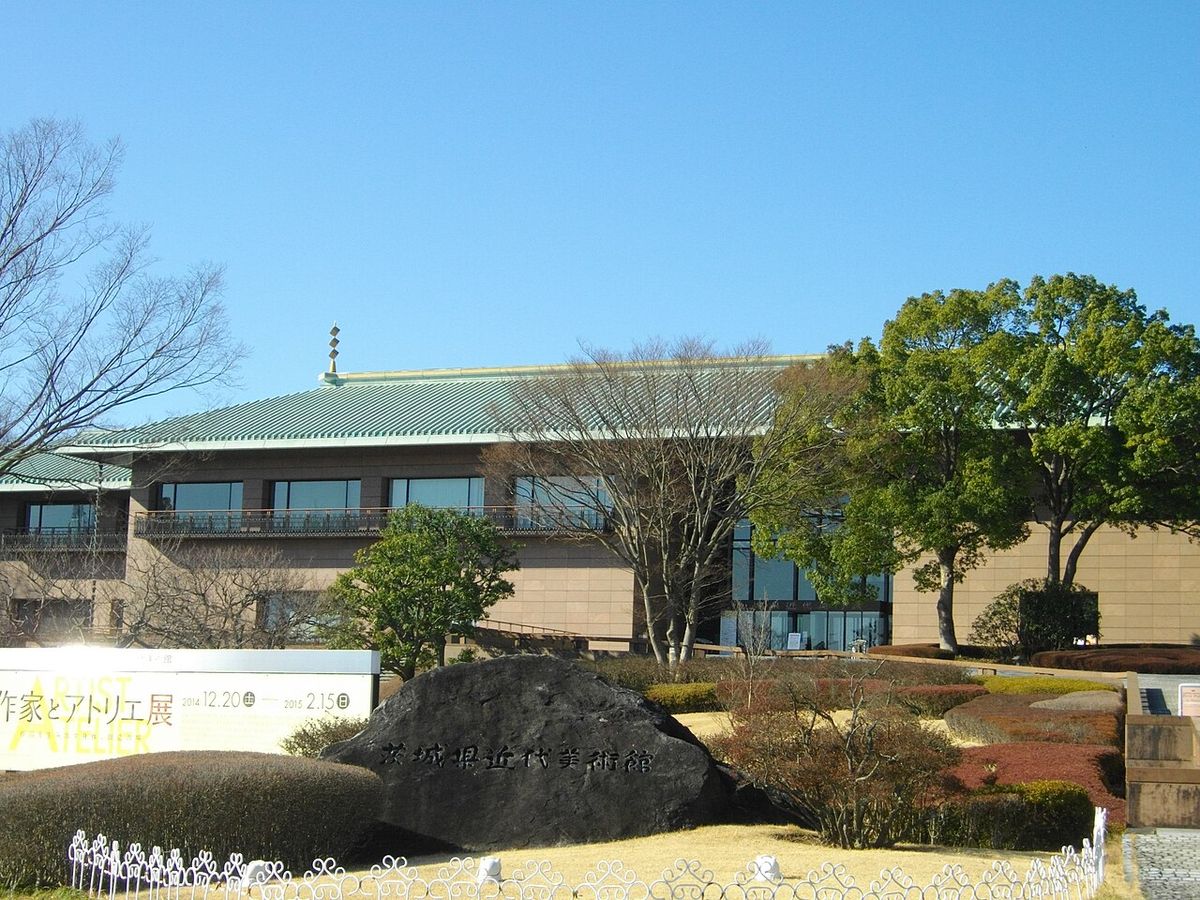
Perched among the greenery along the shores of Lake Senba, The Museum of Modern Art, Ibaraki is an elegant architectural space housing an extensive collection of works connected to Ibaraki Prefecture alongside pieces by celebrated domestic and international masters. Visitors can relax by the floor-to-ceiling windows overlooking Senba Lake or stroll through the outdoor sculpture garden.
✨ Key Highlights
- ■ Scenic lakeside setting combining natural vistas with indoor fine art.
- ■ Rich collection of modern Japanese and international art, with highly praised special exhibitions.
- ■ Beautifully landscaped outdoor lawn and sculpture garden.
- ■ Spacious interior with nearby lakeside cafés for relaxing after gallery visits.
Ibaraki Prefectural Museum of History
⏳ Recommended Stay: Approx. 1.5 hours
🎫 Admission: Paid admission at entrance
📍 Address: 2-1-15 Midoricho, Mito City, Ibaraki ()
🕐 Hours: Tuesday–Sunday 09:30–17:00 (Closed Monday)
🚇 Access: Take a bus from JR Mito Station to 'Rekishikan-mae'
This comprehensive museum details the history of Ibaraki Prefecture from prehistoric times to the modern era. Permanent exhibits utilize historical artifacts, documents, and scale models to illustrate the Mito Domain's pivotal role in the Bakumatsu period and everyday folk life. The museum grounds also feature relocated traditional thatched-roof farmhouses set in landscaped gardens.
✨ Key Highlights
- ■ Systematic exhibits chronicling Ibaraki's history from prehistoric eras to modern times.
- ■ Outdoor heritage zone featuring relocated traditional thatched-roof farmhouses.
- ■ Engaging narrative displays suited for history enthusiasts and independent learners.
- ■ Conveniently located near Kairakuen and Tokiwa Shrine for easy itinerary pairing.
Tokiwa Shrine
⏳ Recommended Stay: Approx. 30 minutes
🎫 Admission: Free access
📍 Address: 1-3-1 Tokiwacho, Mito City, Ibaraki ()
🕐 Hours: Daily 08:30–16:30
🚇 Access: Located right next to Kairakuen's main gate
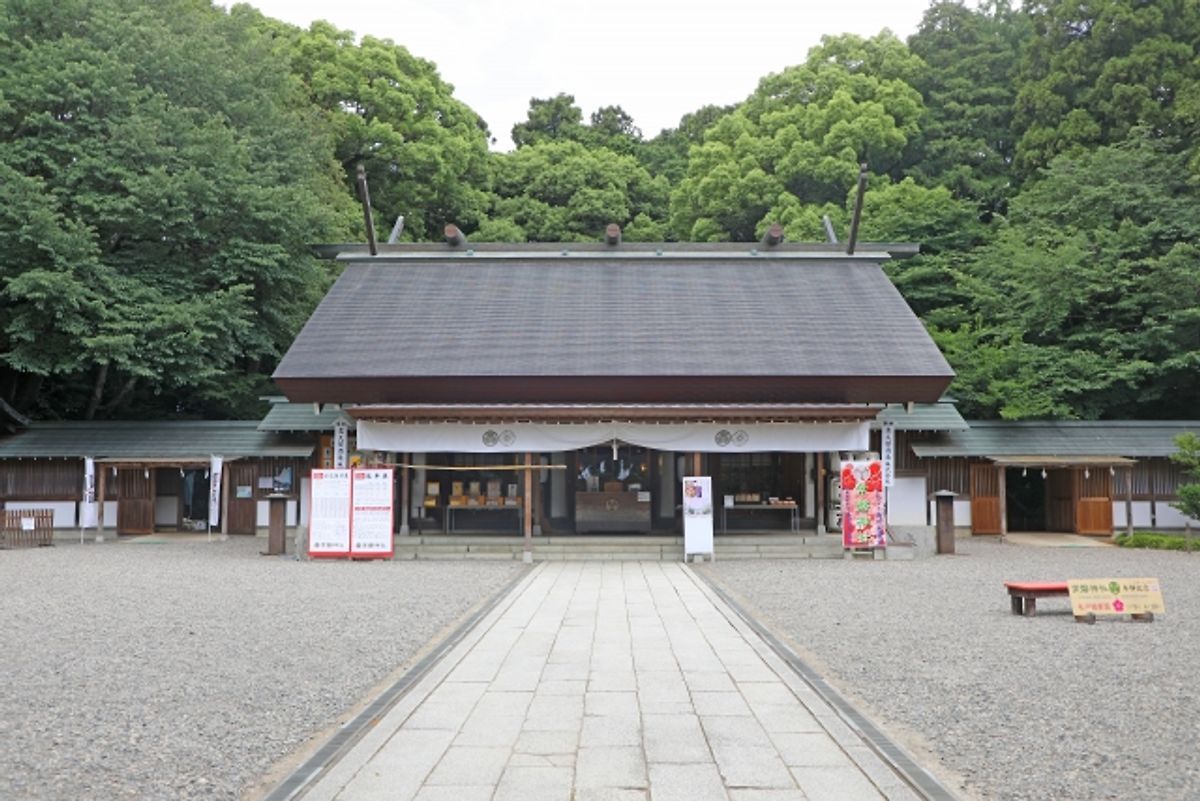
Situated immediately adjacent to Kairakuen, Tokiwa Shrine is a revered shrine dedicated to Tokugawa Mitsukuni (Mito Komon) and Tokugawa Nariaki, the two lords who profoundly shaped the Mito Domain. Surrounded by tall trees, the shrine offers a serene and solemn atmosphere where visitors often stop to pray and pick up refined protective amulets after touring the garden.
✨ Key Highlights
- ■ Dedicated to historical figures including Mito Komon (Tokugawa Mitsukuni).
- ■ Located right beside Kairakuen for seamless integration into the same visit.
- ■ Quiet, atmospheric Shinto shrine grounds steeped in local history.
- ■ Offers a variety of finely crafted good-luck amulets.
Mito Toshogu Shrine
⏳ Recommended Stay: Approx. 30 minutes
🎫 Admission: Free access
📍 Address: 2-5-13 Miyamachi, Mito City, Ibaraki ()
🕐 Hours: Daily 06:00–17:00
🚇 Access: 8-minute walk from JR Mito Station North Exit
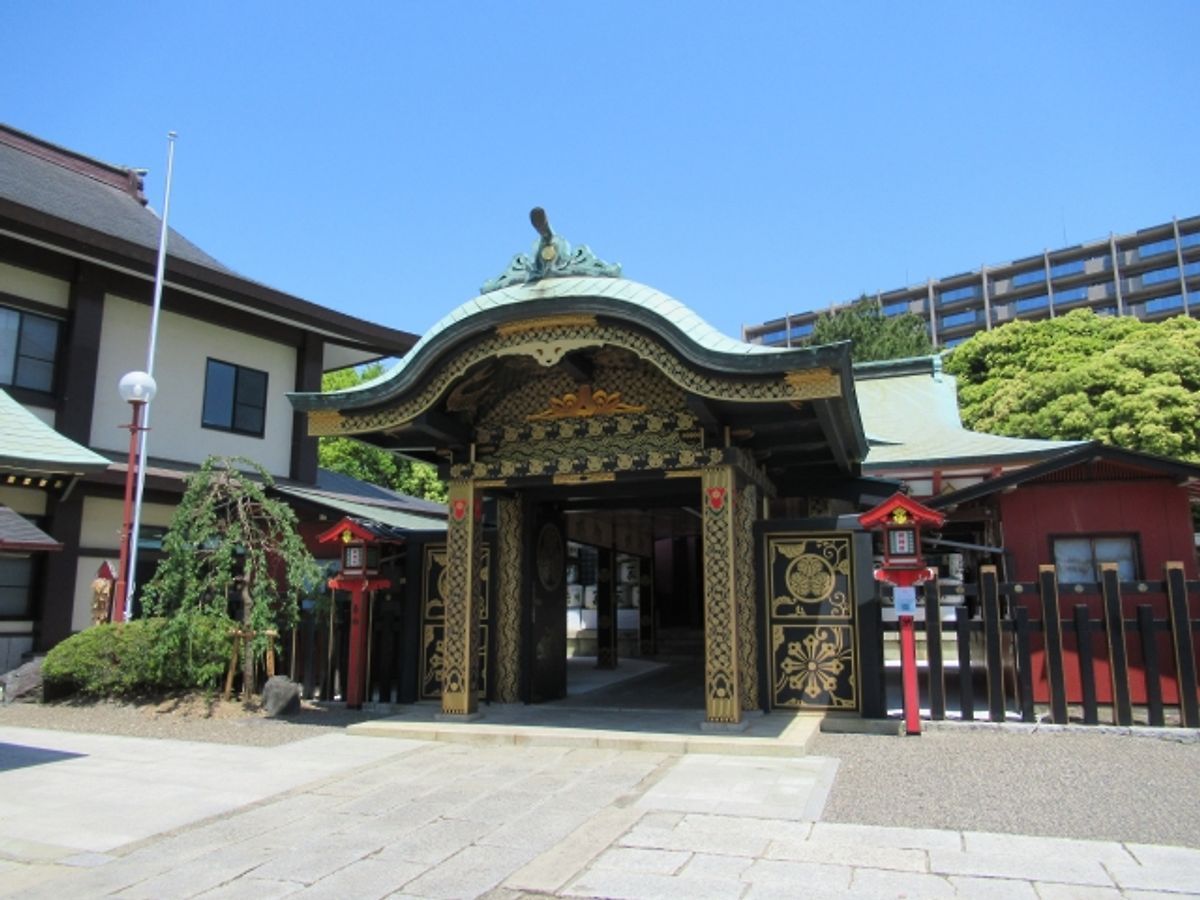
Founded in the early 1600s by Tokugawa Yorifusa, grandson of Tokugawa Ieyasu, Mito Toshogu Shrine is dedicated to Tokugawa Ieyasu. Although damaged during WWII air raids, post-war reconstruction preserved its majestic main hall and intricate carvings. Located within walking distance of Mito Station, it serves as an inviting first landmark for travelers beginning their city exploration.
✨ Key Highlights
- ■ Historic Tokugawa-related shrine bearing witness to early Edo shogunate heritage.
- ■ Within walking distance of Mito Station North Exit for easy access.
- ■ Restored structures retaining delicate carvings and solemn spiritual ambiance.
- ■ Peaceful grounds offering an unhurried prayer experience.
Ibaraki Prefectural Office Observation Lobby
⏳ Recommended Stay: Approx. 45 minutes
🎫 Admission: Free admission
📍 Address: 978-6 Kasaharacho, Mito City, Ibaraki ()
🕐 Hours: Monday–Friday 09:30–22:00, Saturday–Sunday 10:00–22:00
🚇 Access: 15-minute bus ride from JR Mito Station South Exit to 'Ibarakikencho-mae'
For a free panoramic view of Mito and distant mountain ranges, the top-floor observation lobby in the Ibaraki Prefectural Office is a hidden gem. Daytime visits reveal sweeping vistas toward Mount Tsukuba, while nighttime brings a quiet city lightscape. With minimal crowds, it provides a relaxing vantage point to escape the bustle.
✨ Key Highlights
- ■ Free high-altitude observation floor offering 360-degree views of Mito and surrounding peaks.
- ■ Clear daytime horizons transforming into romantic urban nightscapes after dark.
- ■ Uncrowded, peaceful environment ideal for quiet sightseeing.
- ■ Generous evening hours making it a great conclusion to a day of exploration.
Where to Eat in Mito: Natto Set Meals, Regional Dishes and Ramen
Mito Domain Ramen
💰 Price Range: Approx. ¥1000–2000 per person
📍 Address: 1-6-23 Yanagicho, Mito City, Ibaraki ()
⏳ Hours / Closed: 11:00–14:00 (Closed Wednesday)
✨ Must-Try: Mito Domain Ramen, Special Chinese Ramen
This Chinese restaurant recreates the original lotus root flour noodles reportedly enjoyed by Tokugawa Mitsukuni (Mito Komon). The noodles incorporate local lotus root flour, yielding a uniquely smooth texture paired with a refreshing, layered broth. A bowl filled with story and cultural significance for history fans and food explorers alike.
✨ Food Highlights
- ■ Recreates historic lotus root flour noodles eaten by Tokugawa Mitsukuni.
- ■ Smooth noodle texture paired with light, well-crafted broth.
- ■ Welcoming dining atmosphere popular with history enthusiasts visiting Mito.
- ■ Reasonably priced portions delivering authentic regional flavor.
👉 Best For
- ■ History buffs curious about Edo-period gastronomy and Tokugawa Mitsukuni's diet.
- ■ Noodle lovers eager to try distinct local ramen variations.
Sansui
💰 Price Range: Approx. ¥4000–9000 per person
📍 Address: 2-2-40 Izumicho, Mito City, Ibaraki ()
⏳ Hours / Closed: 11:30–14:30, 17:00–21:00 (Closed Monday & Tuesday)
✨ Must-Try: Ankou-nabe (Anglerfish Hot Pot), Local Game Fowl Dishes
Sansui is an esteemed traditional restaurant in Mito renowned for its autumn and winter specialty anglerfish hot pot (ankou-nabe) and local game fowl dishes. Featuring traditional Japanese interiors and seasonal Ibaraki ingredients, it is the premier choice for a luxurious dining experience combining mountain and sea flavors.
✨ Food Highlights
- ■ Long-standing local institution recognized for exceptional quality and hospitality.
- ■ Signature seasonal anglerfish hot pot featuring rich, collagen-packed savory broth.
- ■ Selection of local game fowl dishes and refined Japanese set menus.
- ■ Elegant environment ideal for family gatherings or formal dining.
👉 Best For
- ■ Gourmands seeking authentic anglerfish hot pot during autumn and winter.
Goemon Mito
💰 Price Range: Approx. ¥1000–2000 per person
📍 Address: 302-1 Kasaharacho, Mito City, Ibaraki ()
⏳ Hours / Closed: Daily 11:00–21:00
✨ Must-Try: Japanese-Style Pasta, Creative Regional Ingredient Dishes
Goemon is a popular nationwide chain blending Japanese culinary sensibilities with Italian pasta techniques. The Mito branch incorporates local ingredients like soy sauce, spicy cod roe (mentaiko), mushrooms, and natto into creative pasta dishes. The relaxed atmosphere makes it a favorite among local families and younger diners.
✨ Food Highlights
- ■ Creative fusion of Japanese regional ingredients with classic Italian pasta.
- ■ Spacious Mito location with convenient parking for drivers.
- ■ Affordable, hearty portions offering a break from traditional Japanese fare.
- ■ Welcoming service suited for casual dining.
👉 Best For
- ■ Diners looking for creative Japanese-style Western cuisine and unique pasta.
Mito Market Diner
💰 Price Range: Approx. ¥1000–2000 per person
📍 Address: Aoyagicho, Mito City, Ibaraki ()
⏳ Hours / Closed: 06:00–14:00 (Closed Wednesday & Sunday)
✨ Must-Try: Direct-from-Market Seafood Donburi, Market Set Meals
Tucked near the local wholesale market, Mito Market Diner is a hidden gem where connoisseurs go for fresh seafood and hearty set meals. Benefiting from direct-from-source freshness, the seafood rice bowls are generously portioned and reasonably priced. Opening as early as 6:00 AM, it is a great spot for early risers seeking a hearty breakfast.
✨ Food Highlights
- ■ Sourced directly from the nearby wholesale market for ultimate seafood freshness.
- ■ Generously portioned rice bowls and set meals offering high value.
- ■ Opens at 6:00 AM for early morning market culture and breakfast.
- ■ Casual, bustling atmosphere with authentic local character.
👉 Best For
- ■ Seafood lovers craving fresh sashimi and loaded rice bowls.
Restaurant Iijima
💰 Price Range: Approx. ¥3000–8000 per person
📍 Address: 2 Chome-251-10 Miwa, Mito City, Ibaraki ()
⏳ Hours / Closed: Daily 11:30–21:00
✨ Must-Try: Hitachi Beef Sukiyaki, Hitachi Beef Filet Course
No trip to Mito is complete without sampling prized Hitachi beef. Restaurant Iijima is a premier wagyu specialty establishment long favored by locals and visitors alike. Expert chefs prepare top-grade Hitachi beef via traditional sukiyaki or Western steak courses, melting the marbled fat and tender meat to perfection.
✨ Food Highlights
- ■ Historic wagyu specialist dedicated to premium Hitachi beef preparations.
- ■ Signature sukiyaki and filet courses offering melt-in-the-mouth texture.
- ■ Elegant and private dining environment with attentive service.
👉 Best For
- ■ Meat lovers eager to taste top-tier Hitachi beef in Ibaraki.
Mito Souvenirs: Natto Classics, Plum Wine and Local Specialties
Tengu Natto
🛍️ What to Buy: Traditional Straw-Wrapped Natto, Natto Snacks
📍 Address: 3-4-30 Sannomaru, Mito City, Ibaraki ()
⏳ Hours / Closed: Daily 09:00–17:00
⏰ When to Buy: Just before concluding your itinerary or heading to the station
Visiting Mito without buying natto means missing its most famous culinary symbol. Tengu Natto is a century-old brand preserving traditional straw-wrapping methods that yield a rich aroma and sticky texture. Alongside refrigerated traditional natto, the shop offers portable natto snacks and crackers ideal as gifts.
✨ Shopping Highlights
- ■ Mito's most iconic century-old natto brand with nationwide renown.
- ■ Traditional straw fermentation method delivering richer flavor than plastic packs.
- ■ Room-temperature snacks and gift sets suitable for travel home.
Excel Mito
🛍️ What to Buy: Local Souvenirs, Plum Confectionery, Ibaraki Specialties
📍 Address: 1-7-1 Miyamachi, Mito City, Ibaraki ()
⏳ Hours / Closed: Varies by official mall schedule
⏰ When to Buy: Final shopping stop before boarding your return train to Tokyo
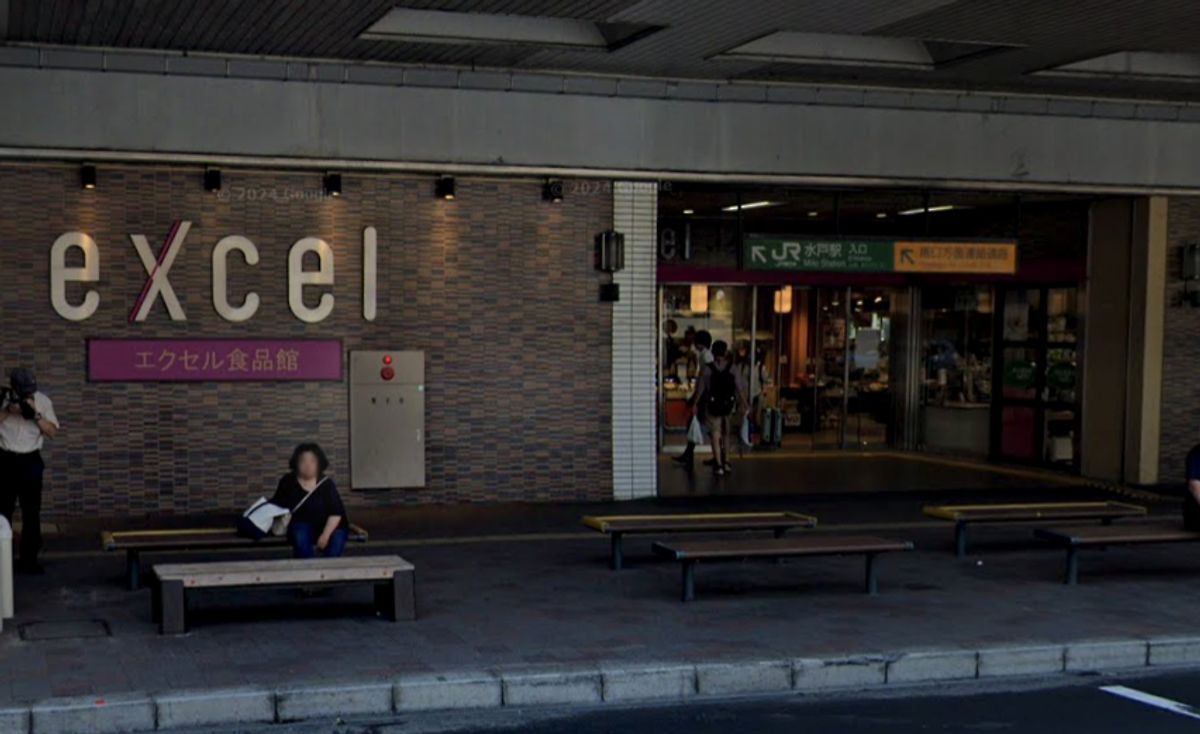
Directly linked to JR Mito Station, Excel Mito is a large shopping complex gathering regional souvenirs, sweets shops, and restaurants. Whether you are looking for Mito plum wine, natto sweets, Hitachi beef items, or seasonal fruit treats, this center is the most efficient final rest stop for travelers.
✨ Shopping Highlights
- ■ Directly connected to JR Mito Station for weatherproof shopping before departure.
Keisei Department Store
🛍️ What to Buy: Refined Japanese Confectionery, Premium Gifts, Ibaraki Specialties
📍 Address: 1-5-5 Miyamachi, Mito City, Ibaraki ()
⏳ Hours / Closed: Varies by department store schedule
⏰ When to Buy: While strolling through the downtown shopping district
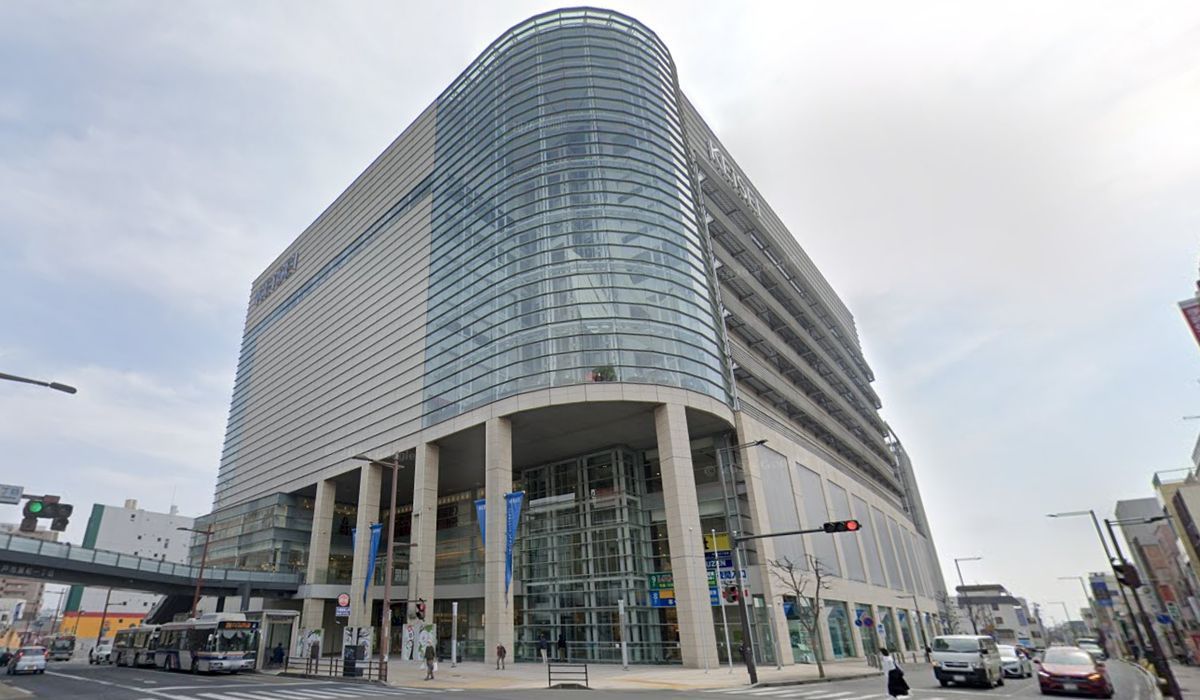
Keisei Department Store is Ibaraki's premier long-established department store, featuring a basement food hall and souvenir floor packed with gourmet treasures. Here you will find refined wagashi, regional delicacies, and seasonal plum products suited for discerning gift recipients.
✨ Shopping Highlights
- ■ Ibaraki's premier long-established department store with high-end shopping.
Umeya Honpo
🛍️ What to Buy: Century-Old Traditional Wagashi, Mito no Ume, Yoshidaya Chojimaru Confectionery
📍 Address: 2139-5 Mikawacho, Mito City, Ibaraki (Approx. 14 mins by car from Kairakuen) ()
⏳ Hours / Closed: Daily 10:00–18:00
⏰ When to Buy: Before or after visiting Kairakuen or city sights
Established in 1852, Umeya Honpo is a historic confectionery shop crafting traditional Mito sweets including 'Mito no Ume', 'Noshi Ume', and 'Yoshidaya Chojimaru'. The spacious shop offers an array of sweets blending seasonal chestnuts and local ingredients.
✨ Shopping Highlights
- ■ Founded in 1852, preserving historic Mito confectionery traditions.
Mito Accommodation: Top-Rated Hotels Near the Station
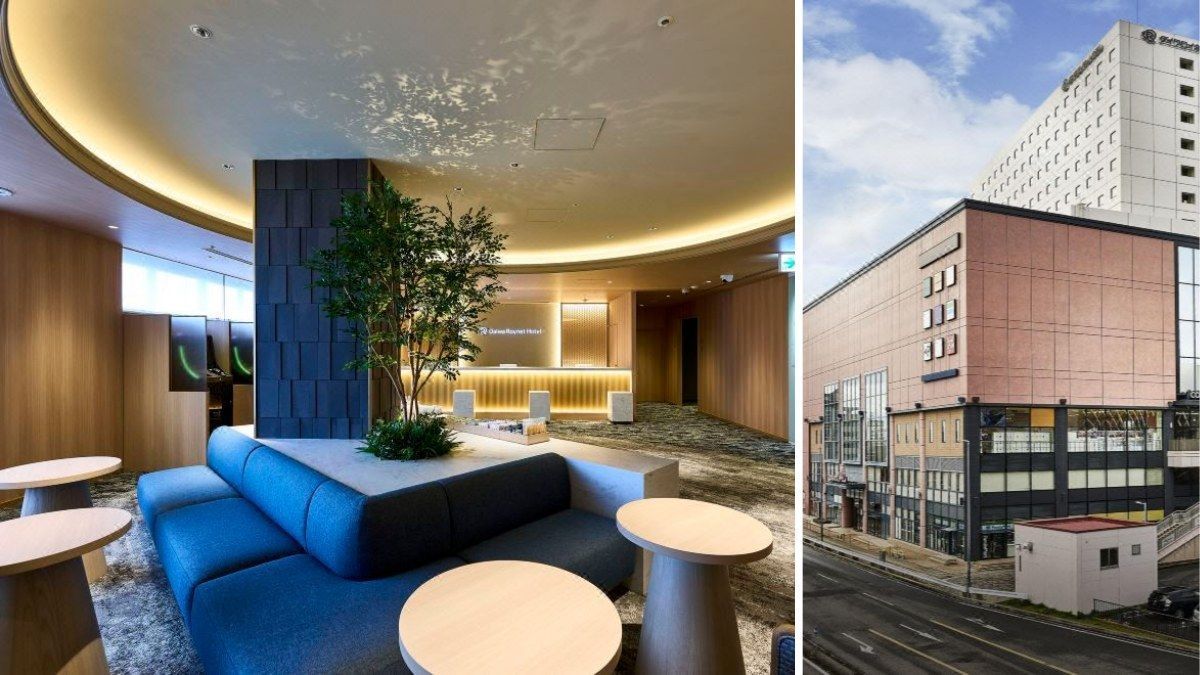
Choosing a convenient, well-equipped base is crucial for a smooth Mito trip. Accommodations are concentrated around JR Mito Station across its north and south exits. South exit hotels offer direct station connectivity or a 3-minute walk for effortless luggage handling, while north exit properties provide closer access to historic streets. Below are 5 top-rated hotels near Mito Station:
Hotel | Best For | Location & Access Highlights | Price Range |
Maximum transit convenience, business travelers | Directly connected to JR Mito Station structure | Approx. US$85 / night | |
European resort style, drivers | Approx. 11-min drive from Kairakuen, tranquil setting | Approx. US$87 / night | |
Budget travelers, high cost-performance | 7-min walk from JR Mito Station, convenient facilities | Approx. US$55 / night | |
Quiet alleys, backpackers & independent travelers | 5-min walk from JR Mito Station South Exit | Approx. US$43 / night | |
Quality stays, families with children | 3-min walk from JR Mito Station South Exit, next to shopping mall | Approx. US$69 / night |
For more detailed room reviews, bath facilities, and dining recommendations around the station, refer to the complete 8 Best Mito Hotels Near Mito Station: Hot Springs & Direct Access guide.
Mito Side Trips: Exploring Nikko and Nasu
Radiating outward from Mito opens up numerous scenic destinations across the Kanto region. For travelers extending their rail itinerary, connecting to neighboring hot springs and nature spots makes for an efficient journey. Key side trip options from Mito include:
Side Trip Destination | Route | Highlights | Tips & Notes |
Joban Line to Oyama, transfer to Ryomo Line and Tobu Railway | World Heritage shrines, Kegon Falls, Chuzenji Lake | Cross-prefecture travel takes longer; use a or depart early | |
Joban Line or Shinkansen to Utsunomiya, transfer to Tohoku Main Line to Kuroiso | Nasu Onsen, Animal Kingdom, forest villas | Ideal for driving or local buses to enjoy mountain resort atmospheres | |
Mount Tsukuba | Direct rail and bus from Mito Station | Famous Kanto peak, ropeway panoramic views of the Kanto plain | Mountain weather changes quickly; check summit conditions and ropeway status before departure |
- ■ Inter-City Planning: When traveling from Mito to Nikko or Nasu, check train transfer schedules in advance to minimize waiting times.
- ■ Pass Utilization: Long-distance rail travel is more economical with JR East rail passes.
- ■ Seasonal Differences: Mountain areas like Mount Tsukuba and Nasu Highlands are cooler than Mito city; bring extra layers in autumn and winter.
Among its many attractions, Mito delivers a rewarding blend of history and nature whether planned as a half-day stop or a multi-day exploration. Prepare your itinerary, secure your train tickets, and set off to experience the floral charm and Edo heritage of Mito.