
Ueno Toshogu Shrine Guide 2026: Golden Hall, Tickets, Access, History & Best Food
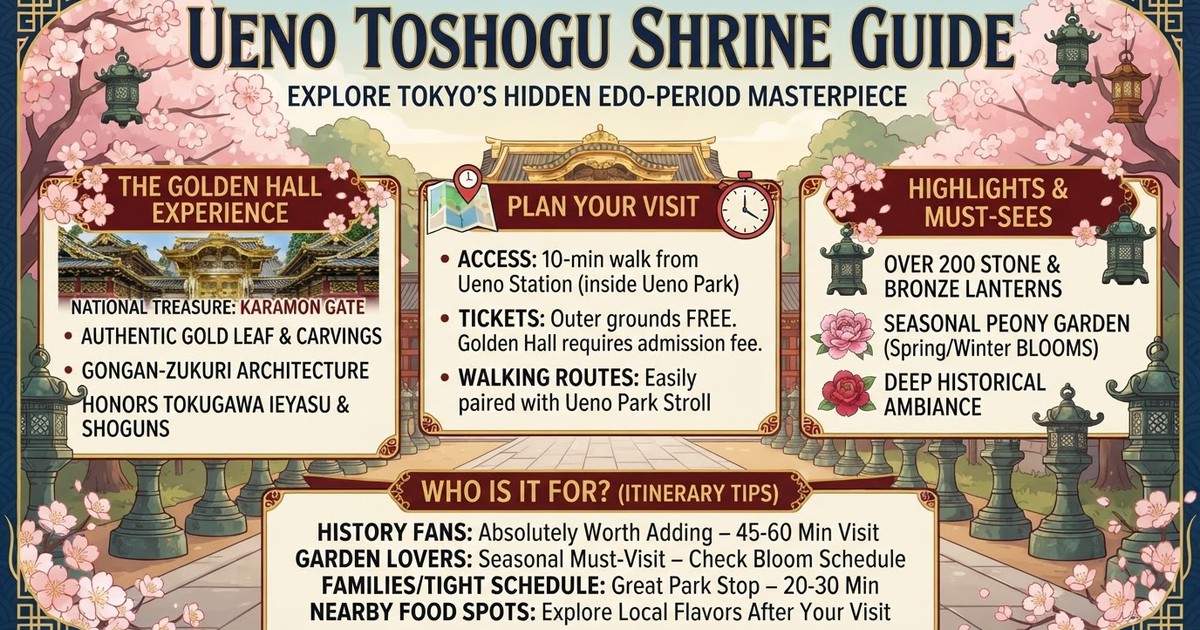
When exploring Tokyo, many visitors head straight to Ueno Park for a leisurely stroll, yet miss the magnificent 400-year-old sanctuary hidden right among the trees—Ueno Toshogu Shrine. Unlike many structures that succumbed to fires and earthquakes, this rare surviving early Edo-period masterpiece enshrines Tokugawa Ieyasu, the founder of the shogunate. If you want to step away from the bustling commercial crowds and experience deep historical ambiance, this 2026 guide covers everything from ueno toshogu access, ticket prices, and walking routes to nearby food spots so your trip is completely seamless! ✨
* Some links in this article are affiliate links. If you purchase through them, we may earn a small commission at no extra cost to you. Thank you for your support!
Ueno Toshogu Shrine: An Edo-Period Sanctuary Hidden in the Park
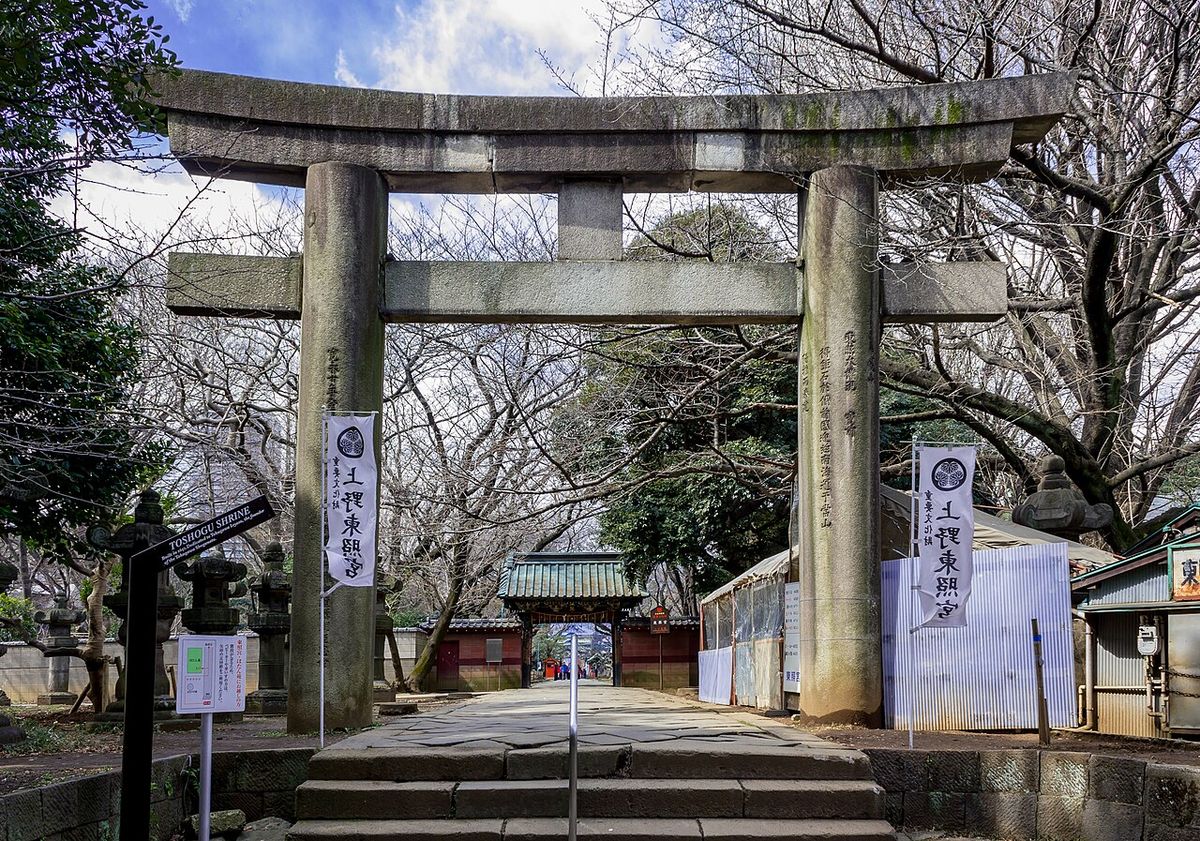
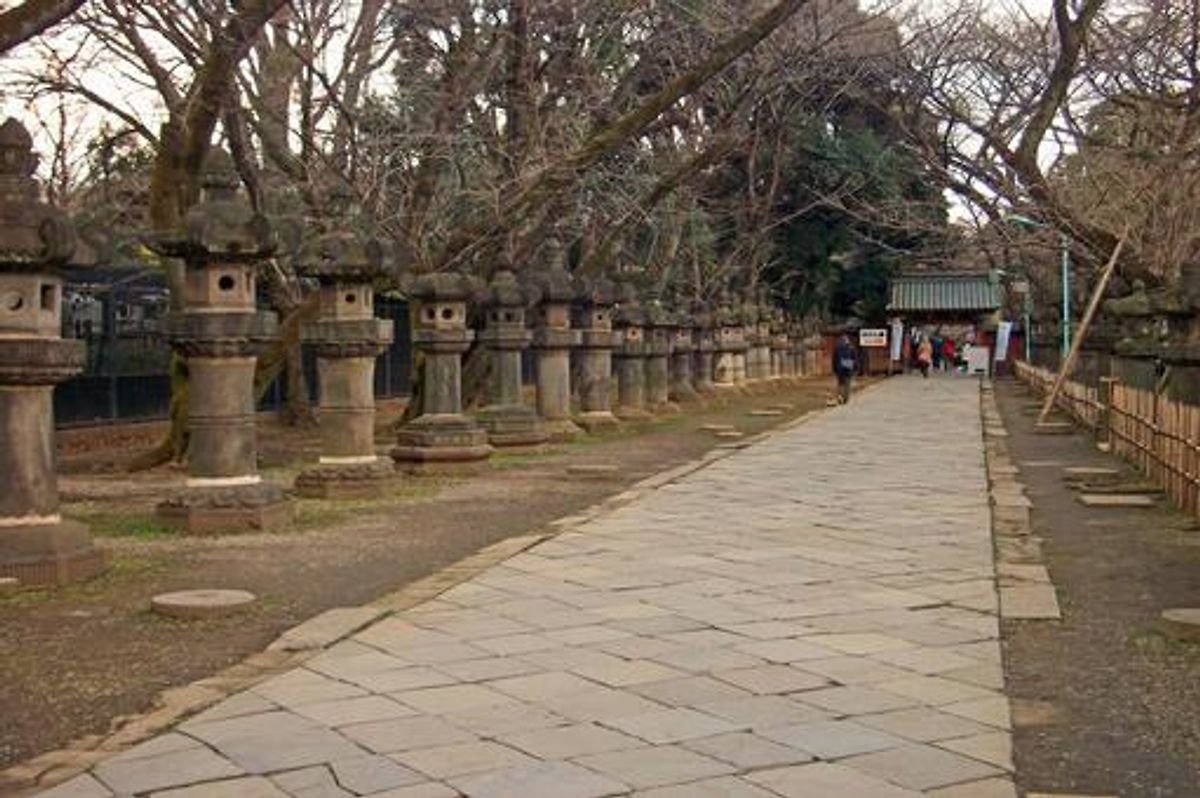
Ueno Toshogu Shrine is not a sprawling temple complex; instead, it is an exquisitely crafted, gold-leaf adorned sanctuary that showcases the immense power and prestige of the Tokugawa clan. Its compact grounds feature a paved approach lined with stone and bronze lanterns leading up to the striking Karamon Gate and main shrine hall, exemplifying the brilliant gongen-zukuri architecture of the early Edo period. If you appreciate traditional woodwork, gleaming gold ornamentation, and Japanese history, this cultural landmark is well worth slipping away to explore.
The National Treasure Karamon Gate and Golden Hall Highlights
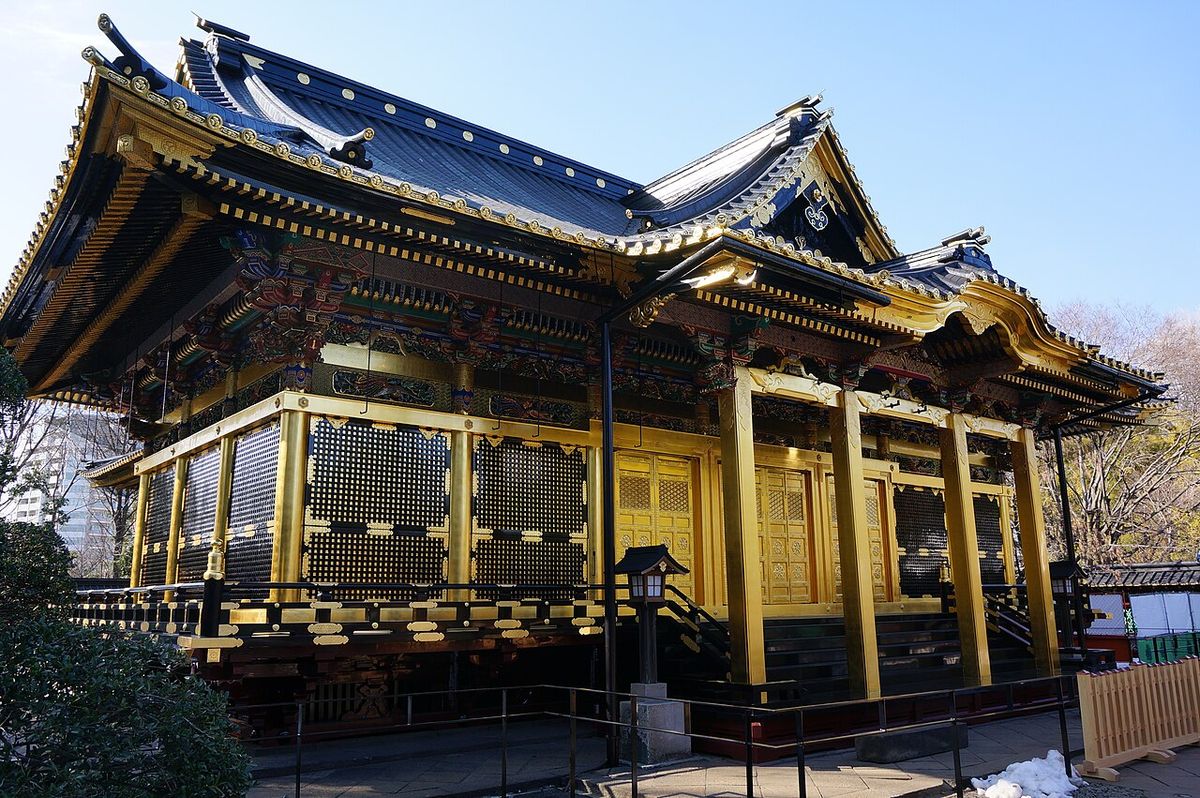
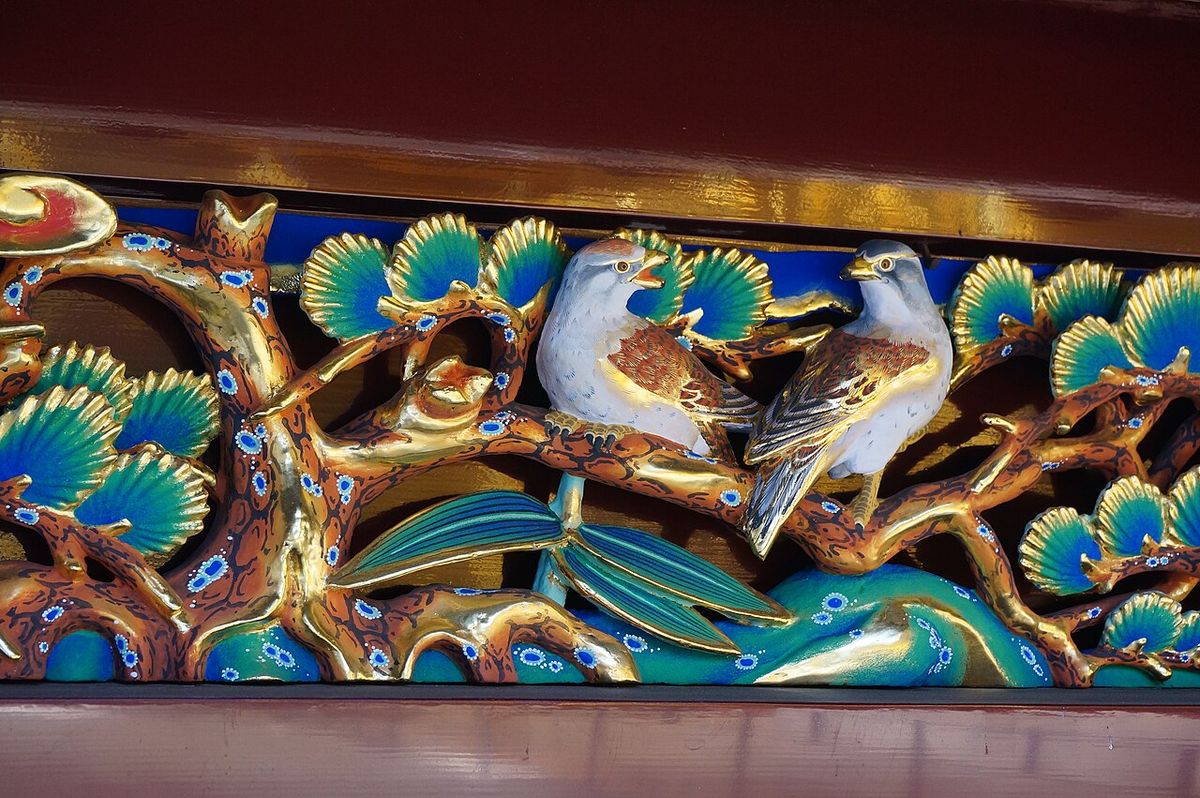
The most breathtaking feature of Ueno Toshogu Shrine is its Karamon Gate and main sanctuary (known as the Golden Hall). The exterior gleams with authentic gold leaf and intricate carvings of mythological beasts, flora, and fauna, retaining a subdued yet lavish brilliance after centuries of weather. The shrine grounds also feature over two hundred stone and bronze lanterns donated by feudal lords (daimyo), standing in uniform rows that instantly transport visitors back to the height of the Edo shogunate.
Seasonal Gardens and Enshrined Historical Figures
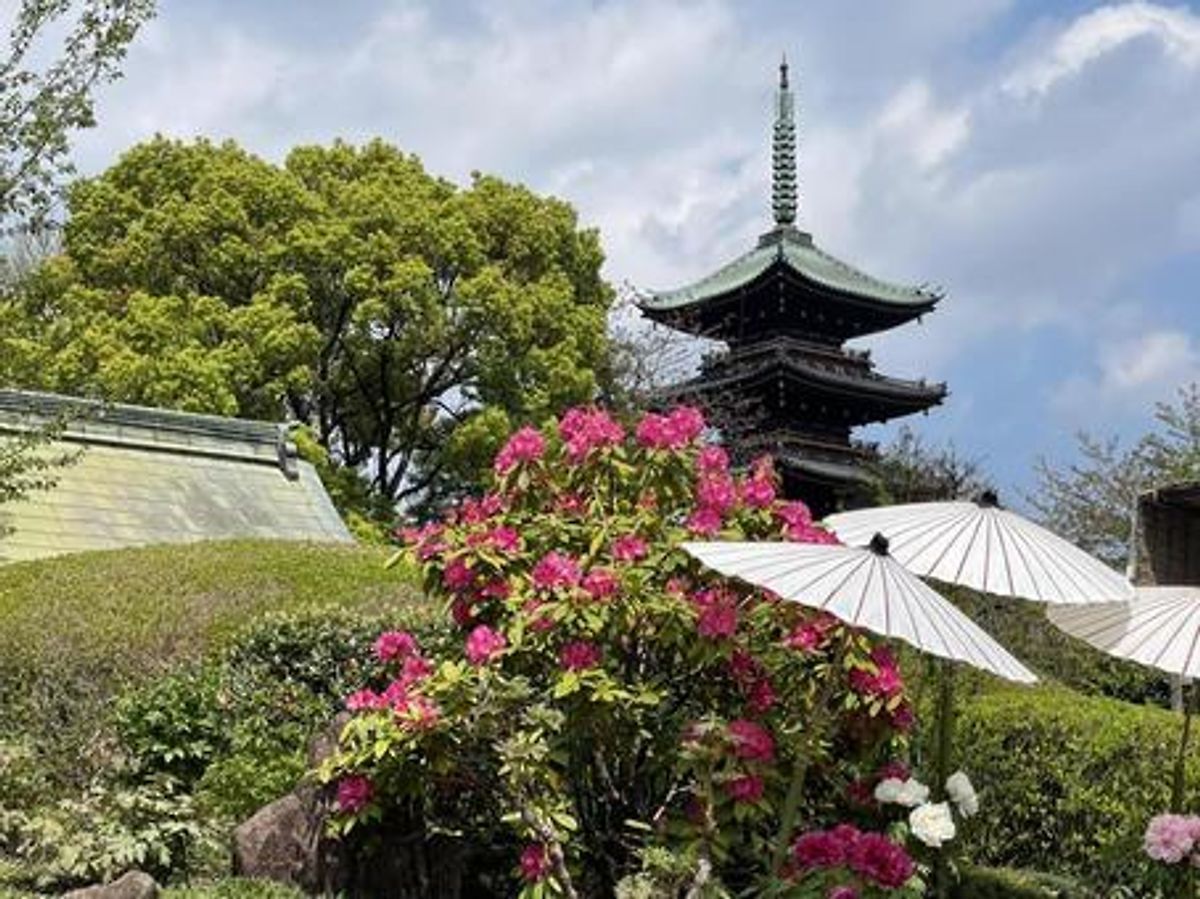
Beyond its striking architecture, the shrine's primary deity is Tokugawa Ieyasu (Toshogu Daigongen), while also jointly enshrining the 8th shogun Yoshimune and the 15th shogun Yoshinobu. Additionally, the grounds house the renowned Peony Garden, which hosts spectacular floral exhibitions during both the spring and winter seasons, drawing countless photography and gardening enthusiasts to admire hundreds of rare, prized varieties.
Ueno Toshogu Shrine: Is It Worth Visiting?
When planning an itinerary, travelers often wonder whether it is worth making a special detour inside the park. To help decide quickly based on available time and energy levels, review the practical breakdown below:
Interest / Timeframe | Verdict | Suggested Pace | Key Considerations |
History Fans / First-Timers | Absolutely worth adding | Spend 45–60 minutes examining the Golden Hall carvings and bronze lanterns | Entering the inner Karamon Gate requires a ticket, but the outer approach is free |
Garden Lovers (Spring/Winter) | Seasonal must-visit | Pair your shrine visit with the Peony Garden exhibition | Bloom schedules depend on weather; check the official website beforehand |
Families / Tight Schedule | Great park-strolling stop | Spend 20–30 minutes while walking through Ueno Park | Can easily be shortened to outer photos if time is limited |
Rainy Days / Limited Mobility | Weigh walking distances | Around a 10-minute walk one-way from the station; bring an umbrella | Grounds feature gravel paths that can become slippery when wet |
Matching personal pace and interests before deciding whether to purchase tickets for the inner precinct ensures a smooth experience; afterward, visitors can wander along the park pathways toward nearby food and souvenir spots.
- ■ First-time visitors or history enthusiasts: Purchasing an inner gate admission ticket is strongly recommended to examine the craftsmanship of the Golden Hall up close.
- ■ Traveling with seniors or children: Visiting during clear daytime hours helps avoid crowds and ensures careful footing on the gravel paths.
- ■ Combining with nearby attractions: The shrine visit pairs easily with the Ueno Zoo or local museums inside Ueno Park for a complete half-day outing.
Ueno Toshogu Shrine: How to Get There and Closest Stations
Getting around Ueno is exceptionally convenient. To keep your transit smooth when arriving with luggage or planning an early morning start, review the travel options and practical tips below:
Departure Point | Route | Travel Time / Fare Detail | Luggage & Transfer Notes |
From Narita Airport | Take the | Approx. 41 minutes to Keisei Ueno Station | Reserved seating requires advance booking; ideal for heavy luggage |
From Haneda Airport | Keikyu Line to Toei Asakusa Line or Ginza Line | Approx. 35–45 minutes, transferring at Ueno Station | Pay attention to platform signage and underground corridors |
JR City Transit | JR Yamanote Line to Ueno Station | Approx. 5–10 minute walk from the Park Exit | Busy during peak commuting hours; utilize large coin lockers |
Subway Ginza / Hibiya Line | to Ueno Station | Approx. 8–12 minute walk through the park | Close to Ueno Park entrances with intuitive walking routes |
- ■ Make Use of Station Lockers and Hotel Storage: If you arrive in Ueno before hotel check-in time, drop your heavy luggage at station coin lockers so you can enjoy a lightweight park walk.
- ■ Avoid Peak Commuting Crowds: When boarding the JR Yamanote Line with large suitcases, try to steer clear of the busy morning rush hour.
- ■ Enjoy the Scenic Park Path: Walking from the JR Ueno Station Park Exit through the fountain plaza and tree-lined promenade offers clear signage and beautiful scenery.
Japan Tokyo Travel Tickets · Latest Deals✨
Ueno Toshogu Shrine: Tickets, Opening Hours, and Practical Info
Reviewing ticket details and opening hours before you go ensures a smooth visit. The outer grounds and approach are completely free to visit, while entering the inner precincts to admire the national treasure Karamon Gate and Golden Hall requires a ticket.
Admission and Hours Overview
Item | Details |
Outer Approach | Free access, open for casual walks anytime |
Karamon & Golden Hall Admission | Adults (junior high school and above) ¥700, elementary school students ¥300 |
Opening Hours | Opens daily at 9:00 AM. March to September closes at 5:30 PM (admission until 5:00 PM); October to February closes at 4:30 PM (admission until 4:00 PM) |
Essential Practical Details
- Official Address: 9-88 Uenokoen, Taito City, Tokyo 110-0007, Japan ()
- Official Website: Official Website
- Note: Operating hours may vary due to special ceremonies or weather conditions; check the official website before heading out.
Ueno Toshogu Shrine: Recommended Half-Day Walking Itinerary
To avoid backtracking, pair Ueno Toshogu Shrine with nearby park attractions in a smooth half-day loop whether you prefer a quiet morning start or an afternoon stroll.
Morning Stroll and Heritage Route
Timeframe | Stop | Suggested Duration | Connection & Tips |
09:00 ~ 09:30 | JR Ueno Station Park Exit | Approx. 15 mins | Walk through Ueno Onshi Park and enjoy the tranquil morning tree-lined avenue |
09:30 ~ 10:30 | Ueno Toshogu Shrine & Karamon Tour | Approx. 1 hour | Worship at the Golden Hall, view stone lanterns and seasonal gardens |
10:30 ~ 11:30 | Toshogu No. 1 Shop or Shinobazu Pond | Approx. 45 mins | Experience retro Showa-era charm and take photos |
11:30 Onwards | Lunch at a Nearby Restaurant | Approx. 1.5 hours | Enjoy century-old Western cuisine or head toward Ameyoko shopping street |
- ■ Early Mornings Are Quietest: Arrive right when the shrine opens at 9:00 AM to enjoy fewer crowds and snap photos of the serene shrine exterior.
- ■ Combine with Shinobazu Pond and Museums: After visiting the shrine, stroll down to Shinobazu Pond for lotus viewing or paddle boating, or check out the nearby National Museum of Nature and Science and Tokyo National Museum.
- ■ Pacing and Footwear: The park paths are level, but combining museum visits and shopping can easily push your step count past 10,000—comfortable walking shoes are essential.
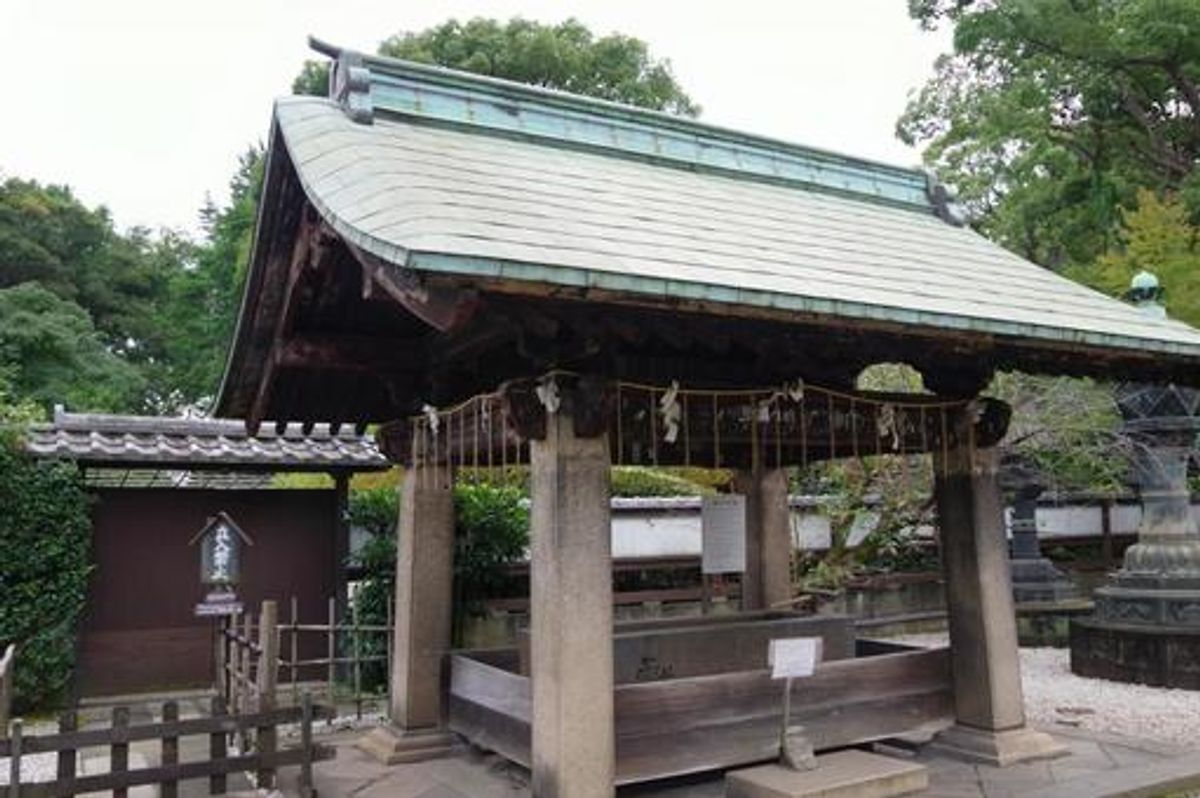
Ueno Toshogu Shrine: Key Highlights (Carvings and History)
Stepping into Ueno Toshogu Shrine reveals glittering, time-tested details. This section covers key highlights you should not miss.
400-Year-Old Karamon Gate and Gongen-zukuri Architecture
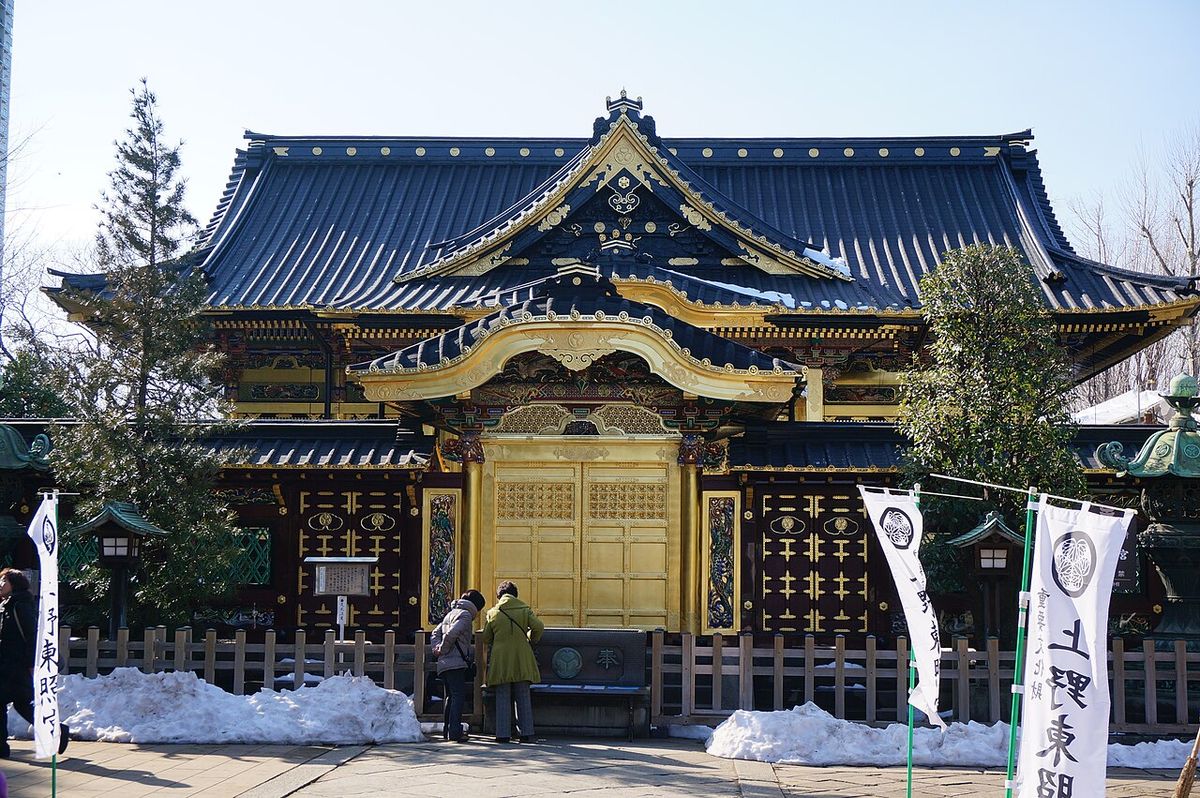
⏳ Suggested Duration: Approx. 20–30 minutes
📍 Location: Directly ahead after passing the stone lantern approach
The Karamon Gate at Ueno Toshogu Shrine is designated as an Important Cultural Property of Japan. The gate and surrounding panels feature intricate carvings of Chinese lions, peonies, and auspicious beasts, with gold leaf and lacquerwork that gleam softly in the sunlight. Having miraculously survived the Great Kanto Earthquake and WWII air raids, this early Edo-period gongen-zukuri complex remains remarkably intact.
Over 200 Donated Stone and Bronze Lanterns
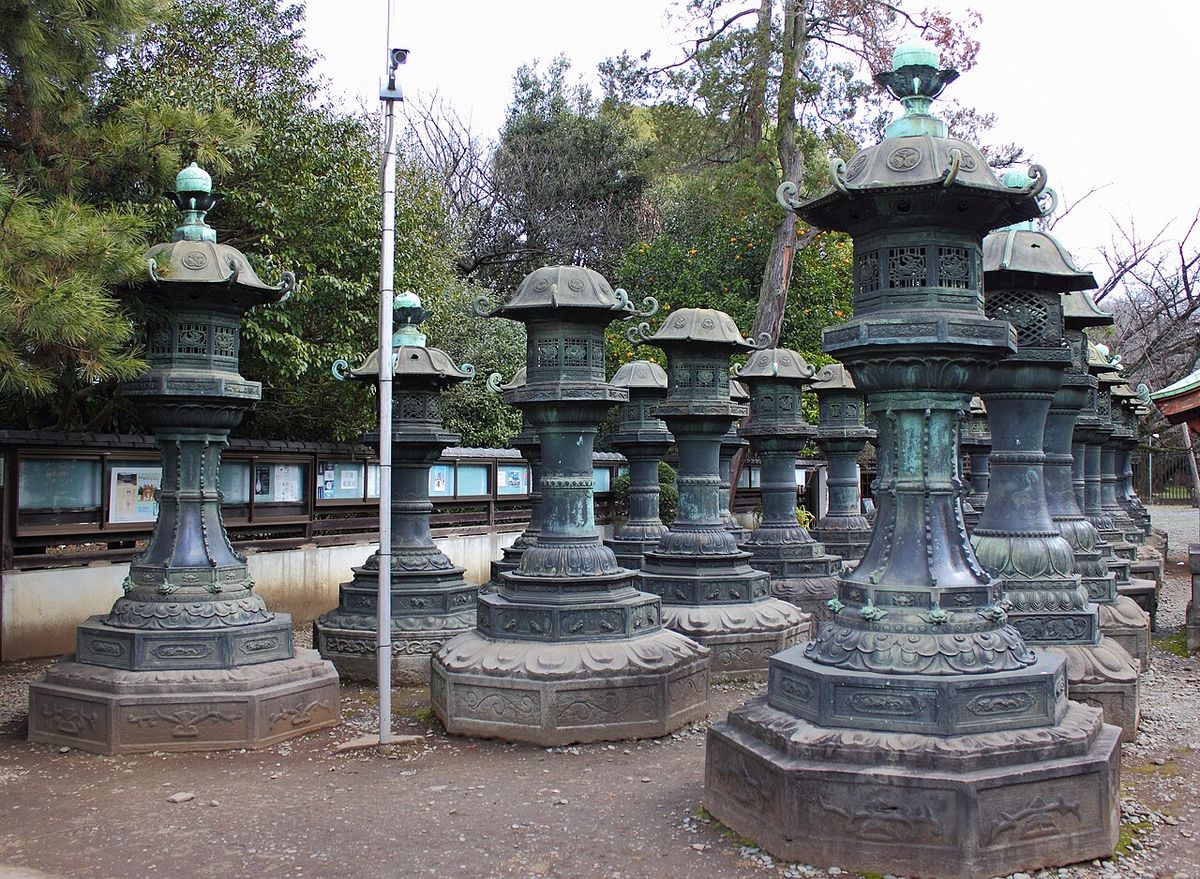
⏳ Suggested Duration: Approx. 15 minutes
📍 Location: Along both sides of the approach and around the worship hall
Lining the shrine approach are hundreds of stone lanterns donated by feudal lords during the Edo period, interspersed with massive bronze lanterns. These relics reflect the political power structure of the shogunate and form a solemn, atmospheric corridor for visitors.
Seasonal Gardens and Floral Displays
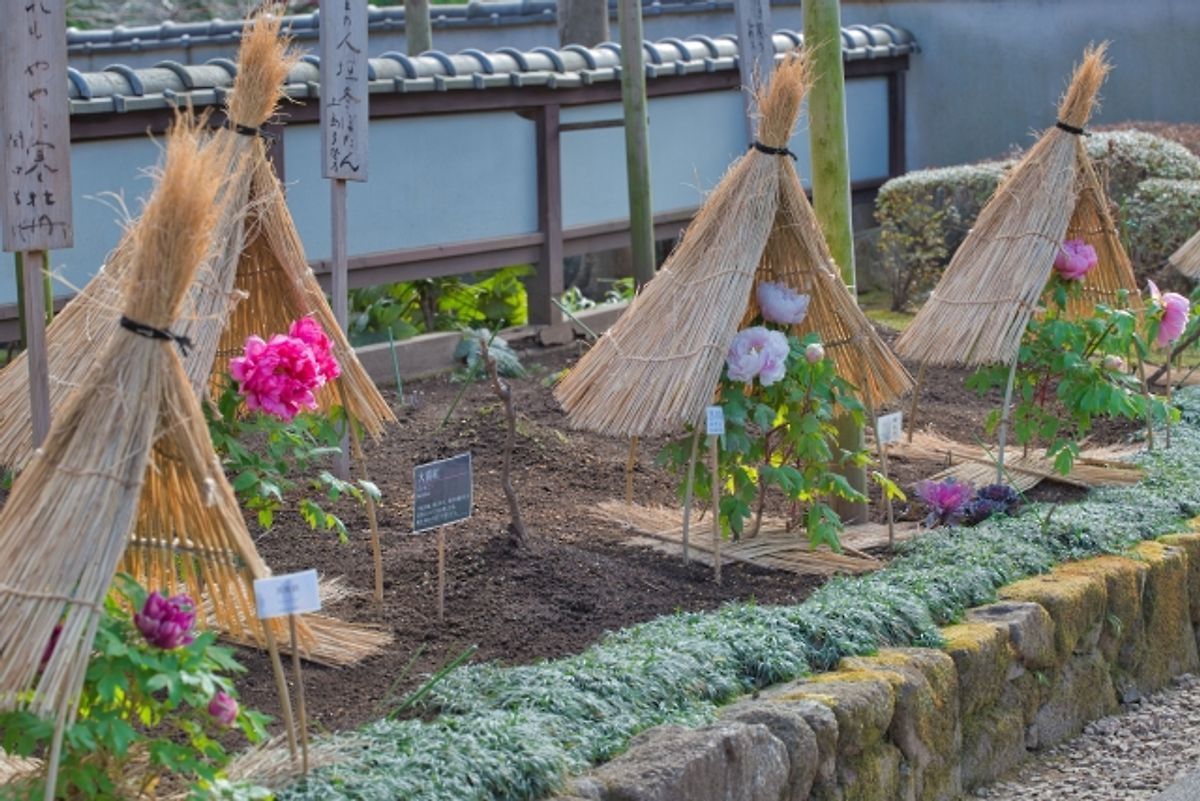
⏳ Suggested Duration: Approx. 20 minutes
📍 Location: Peony Garden and garden areas adjacent to the main hall
The shrine's botanical landscape shifts with the seasons. In spring, hundreds of colorful peonies bloom in the garden, while winter brings the sheltered "cold peonies" protected under straw hoods. No matter when you visit, the historic garden offers serene seasonal beauty.
Practical Tips for Your Shrine Visit (Rain Gear, Pacing, Etiquette)
Before heading to Ueno Toshogu Shrine, keep these local tips in mind for a stress-free experience.
- ■ Rainy Days and Slippery Paths: The interior shrine grounds feature outdoor gravel paths that can get wet and slippery when it rains. Wear supportive, slip-resistant shoes and bring an umbrella.
- ■ Pacing and Walking Distance: Walking from Ueno Station to the shrine takes about 10 minutes one-way, and the park is quite large. Take breaks on park benches if traveling with elderly family members or young children.
- ■ Respectful Photography: Certain areas (especially inside the Karamon inner gate and around the sanctuary) restrict tripods and commercial filming. Respect onsite signage.
- ■ Restrooms and Dining: There are no large restaurants inside the shrine grounds, only a small shop along the approach. Plan restroom breaks near station exits or park entrances before you arrive.
Recommended Restaurants Near Ueno Toshogu Shrine (3 Walking-Distance Spots)
After exploring the historic grounds, you will likely work up an appetite. Ueno Park and the surrounding station district host wonderful eateries:
Toshogu No. 1 Shop
💰 Price Range: Casual snacks (approx. ¥500 – ¥1,000)
📍 Address: Approx. 2-minute walk from the Ueno Toshogu shrine approach (9-86 Uenokoen, Taito City, Tokyo 110-0007, Japan) ()
⏳ Hours / Closed: 10:00 AM – 4:30 PM (Closed Mondays)
✨ Must-Try: Nostalgic ramen, oden, ice cream
Located right along the shrine approach, Toshogu No. 1 Shop is a 70-year-old retro Showa-era eatery. Its wooden exterior and nostalgic interior feel like stepping back in time. After visiting the shrine, grab a warm bowl of oden or simple soy-sauce ramen with light broth and savory ingredients.
✨ Highlights
- ■ 70 Years of Retro Atmosphere: Retains traditional Showa-era shopfront and interior decor.
- ■ Heartwarming Oden & Ramen: Piping hot broths and noodle dishes ideal for refueling after a walk.
- ■ Exceptional Convenience: Situated directly beside the shrine approach for instant seating.
- ■ Great Rest Stop: Grab a quick snack or ice cream and sit on an outdoor bench overlooking Ueno Park.
👉 Best For
- ■ Travelers who love retro Showa-era vibes and casual local snacks.
- ■ Visitors looking for a quick, hot meal right next to the attraction.
Ueno Seiyoken
💰 Price Range: Approx. ¥2,000 – ¥3,000
📍 Address: Approx. 8-minute walk from Ueno Toshogu Shrine (4-58 Uenokoen, Taito City, Tokyo 110-8715, Japan) ()
⏳ Hours / Closed: Tue–Fri 11:00 AM – 5:00 PM, Sat–Sun 10:30 AM – 6:00 PM (Closed Mondays)
✨ Must-Try: Hayashi rice (beef stew over rice), omurice with hayashi sauce, pork cutlet, classic pudding a la mode
Founded in 1876, Ueno Seiyoken is a legendary Western-style restaurant overlooking Shinobazu Pond. Its signature hayashi beef stew and omurice feature rich, velvety sauces paired with tender meat and soft eggs, carrying on a century-old culinary tradition.
✨ Highlights
- ■ Century-Old Western Cuisine: Historic Meiji-era establishment famous for iconic beef stew and omurice.
- ■ Serene Shinobazu Pond Views: Spacious dining room with large windows overlooking park greenery.
- ■ Diverse Western Menu: From fried shrimp and pork cutlets to retro pudding a la mode.
- ■ Relaxed Dining Pace: Perfect for taking a leisurely break during a half-day walking tour.
👉 Best For
- ■ Fans of traditional Japanese Western cuisine wanting to try a legendary historic restaurant.
- ■ Travelers seeking an elegant, comfortable sit-down lunch after visiting the shrine.
Ueshima Coffee (Kuroda Memorial Museum Branch)
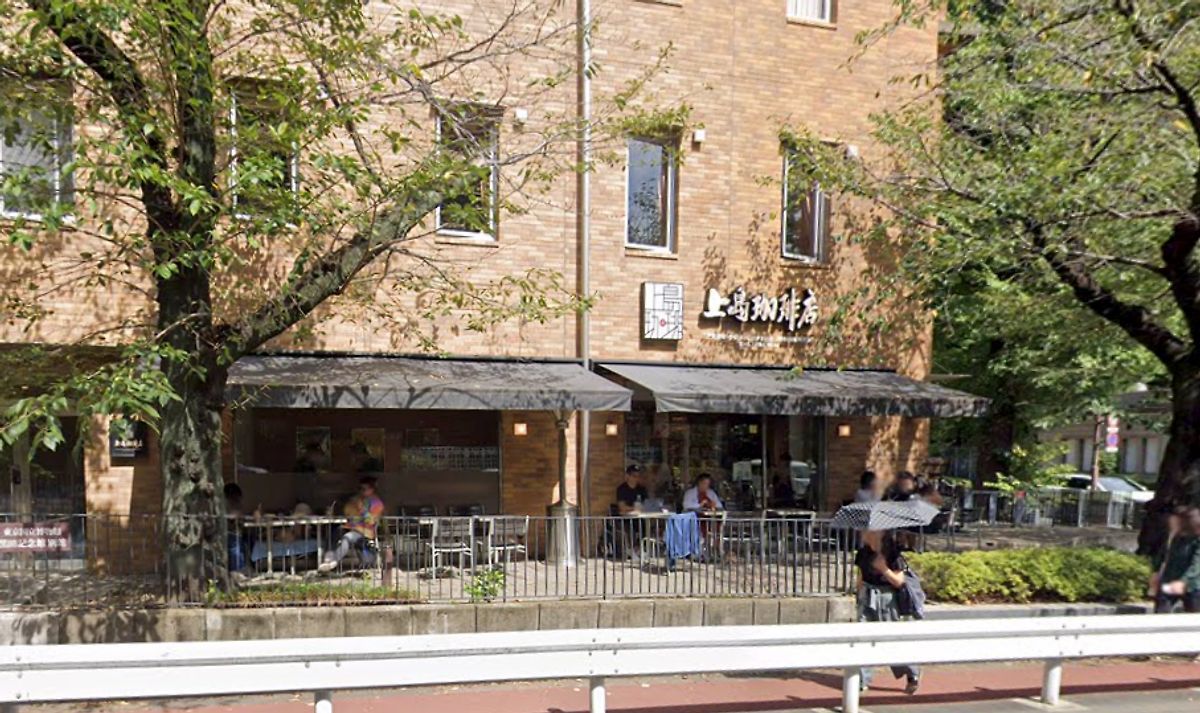
💰 Price Range: Approx. ¥1,000 – ¥1,500
📍 Address: Approx. 10-minute walk from Ueno Toshogu Shrine, near the Tokyo National Museum
⏳ Hours / Closed: Daily 7:30 AM – 7:00 PM
✨ Must-Try: Toast set, Kokuto (brown sugar) iced milk coffee
Located in the annex of the Kuroda Memorial Museum, this branch of Ueshima Coffee blends historic architecture with modern Japanese-Western aesthetics. The high ceilings and warm wooden interiors create a refined atmosphere. Enjoy their signature rich brown sugar iced milk coffee alongside freshly toasted thick-cut bread.
✨ Highlights
- ■ Architectural Aesthetics: Situated inside the Kuroda Memorial Museum annex with soaring ceilings and elegant decor.
- ■ Signature Brown Sugar Milk Coffee: Rich, smooth brown sugar flavor paired with delicate foam.
- ■ Morning Toast Set: Crispy-on-the-outside, soft-on-the-inside thick toast paired with warm drinks.
- ■ Quiet Location: Tucked away at the edge of the park away from heavy crowds.
👉 Best For
- ■ Coffee enthusiasts and design lovers looking for a quiet afternoon tea spot.
- ■ Early risers or visitors seeking a refined resting place in Ueno Park.
Recommended Souvenir Spots Near Ueno Toshogu Shrine (3 Stops Before Heading Back)
After finishing your shrine visit and meals, picking up souvenirs near the station makes for a smart, efficient return journey.
ecute Ueno
🛍️ What to Buy: Tokyo-limited panda sweets, bento boxes, gift boxes
📍 Address: 3rd floor inside JR Ueno Station (JR Ueno Station, 7 Chome-1-1 Ueno, Taito City, Tokyo 110-0005, Japan) ()
⏳ Hours / Closed: Sun–Thu 9:00 AM – 9:00 PM, Fri–Sat 9:00 AM – 10:00 PM
⏰ When to Visit: Right before catching the Shinkansen or airport train
Located inside JR Ueno Station, ecute Ueno is a shopping hub featuring Tokyo-exclusive panda-themed sweets, Baumkuchen, and bento boxes. Because it is located inside the ticket gates, it saves you from hauling shopping bags through the streets before departure.
✨ Highlights
- ■ Inside Station Gates: Extremely convenient for picking up gifts right before boarding the Shinkansen or Skyliner.
- ■ Exclusive Panda Souvenirs: Wide variety of Ueno-exclusive panda cookies and cakes.
- ■ Rich Product Selection: Ranging from shelf-stable cookie boxes to freshly made gourmet bento.
- ■ Streamlined Route: Perfect final stop to lighten your sightseeing load.
atré Ueno
🛍️ What to Buy: Fashion accessories, restaurants, souvenirs, cosmetics
📍 Address: Connected directly to JR Ueno Station (7 Chome-1-1 Ueno, Taito City, Tokyo 110-0005, Japan) ()
⏳ Hours / Closed: Daily 10:00 AM – 10:00 PM
⏰ When to Visit: Upon arrival in Ueno or during an afternoon shopping break
Connected directly to JR Ueno Station and divided into East and West wings, atré Ueno features apparel, lifestyle goods, and dining options. Located just a 3-minute walk from Keisei Ueno Station, it is a great spot to pick up gifts and cosmetics while enjoying indoor comfort.
✨ Highlights
- ■ Exceptional Station Connectivity: Just steps away from station exits with zero navigation hassle.
- ■ Dining and Shopping Combined: Features popular restaurants and specialty lifestyle boutiques.
- ■ Diverse Brand Selection: Japanese apparel, homewares, and souvenir counters.
- ■ Weatherproof Option: Indoor corridors keep you dry on rainy or hot days.
Ameyoko Center Building
🛍️ What to Buy: Imported Asian groceries, dried goods, street food
📍 Address: Central Ameyoko market (4 Chome-7-8 Ueno, Taito City, Tokyo 110-0005, Japan) ()
⏳ Hours / Closed: Daily 10:00 AM – 8:00 PM
⏰ When to Visit: Daytime after visiting the shrine, while soaking in the market atmosphere
Situated in the heart of bustling Ameyoko market, the Ameyoko Center Building offers a distinct international vibe. Its basement floor functions like a mini Asian market selling spices, dried goods, and street food. It's a fun stop for adventurous foodies looking for unique ingredients.
✨ Highlights
- ■ Vibrant Shitamachi Market Vibe: Located in Ameyoko, showcasing Tokyo's lively merchant culture.
- ■ Basement Specialty Foods: Great selection of imported spices, dry goods, and snacks.
- ■ Great Walking Route: Connects seamlessly with surrounding clothing stalls and drugstores.
- ■ Lively Local Atmosphere: Bustling energy adds a memorable touch to any Tokyo trip.
Recommended Nearby Attractions (Half-Day Add-On List)
If you still have energy after touring the shrine and enjoying Western-style lunch, Ueno Park and its surroundings offer wonderful secondary sights.
Tokyo National Museum
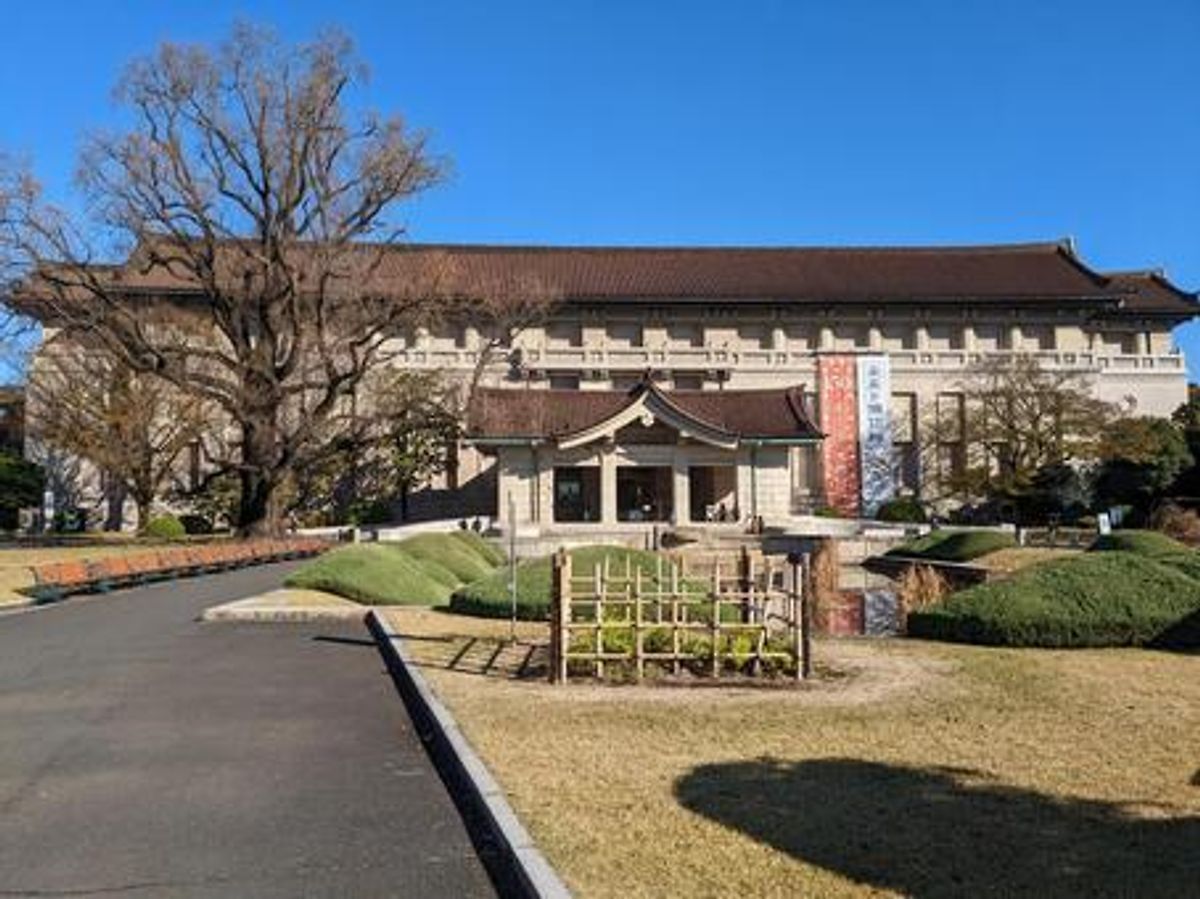
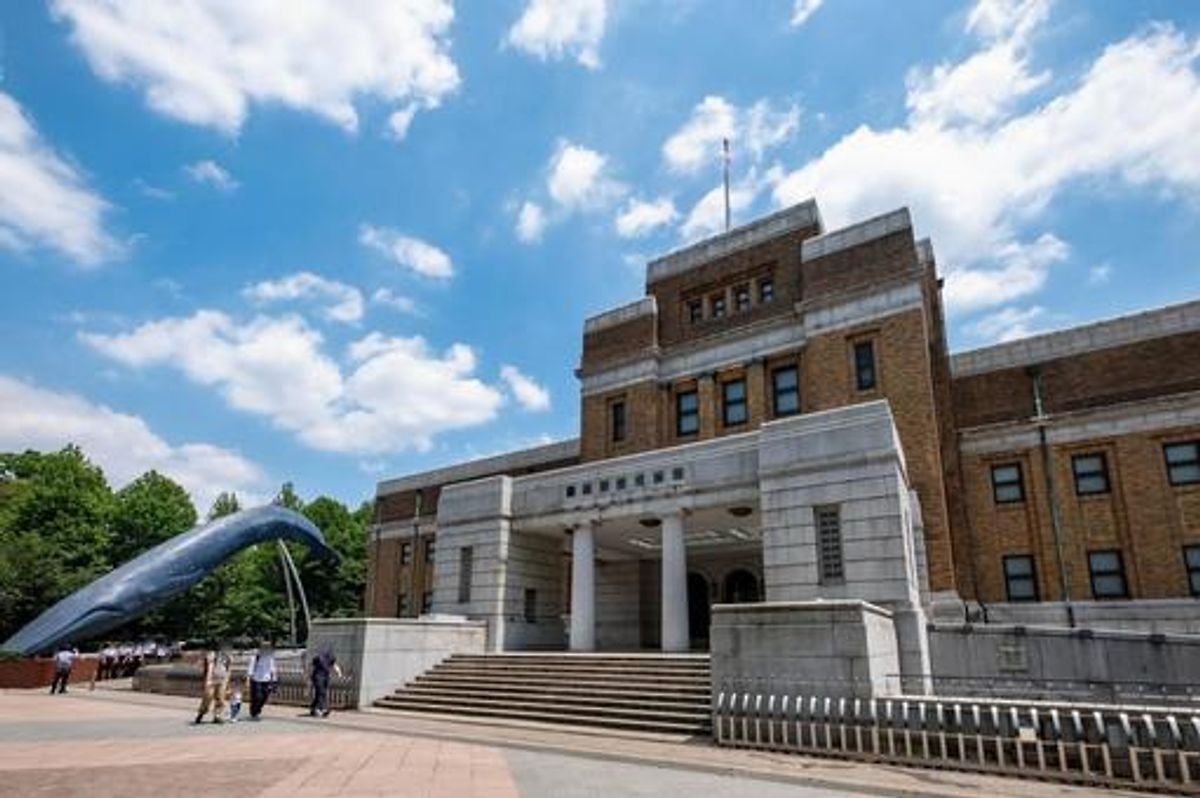
National Museum of Nature and Science
Situated in the northern part of Ueno Park, this museum features dinosaur fossils, prehistoric specimens, minerals, and exhibits on modern scientific progress. The giant dinosaur skeletons in the Earth Pavilion are a massive hit with visitors.
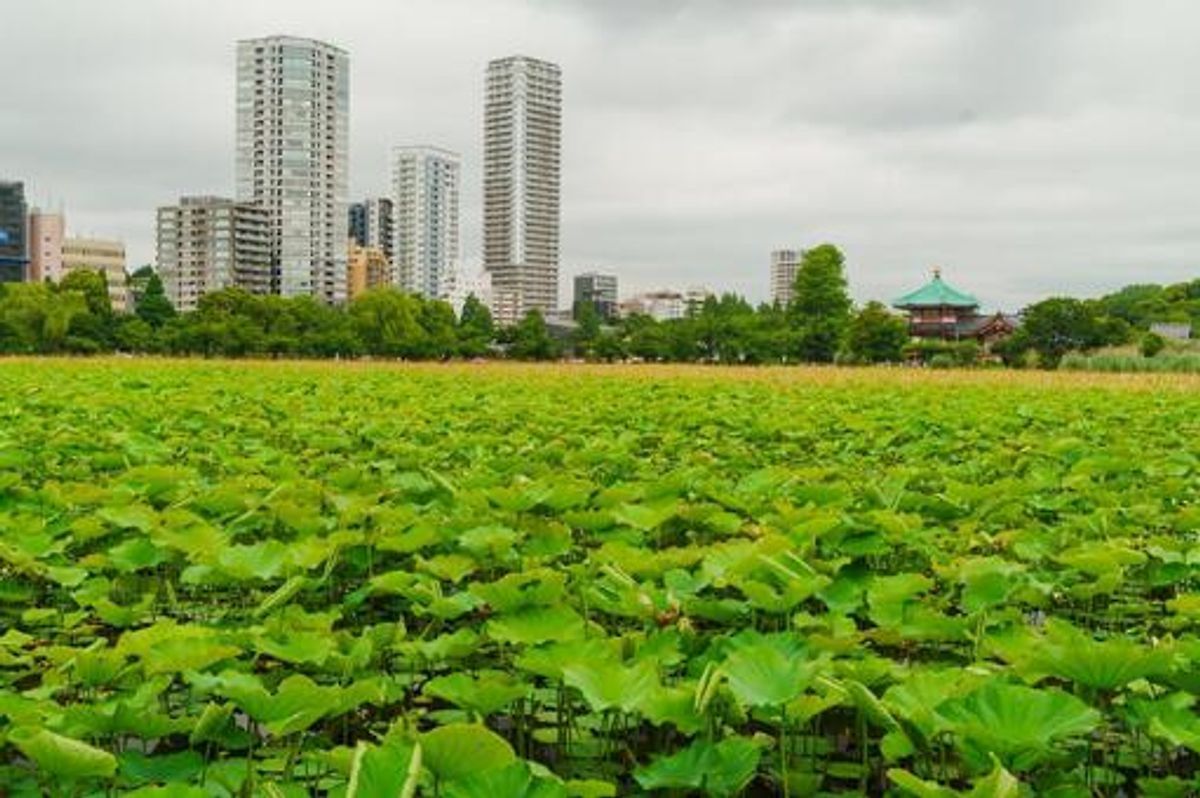
Shinobazu Pond and Lotus Boardwalk
Located at the southern edge of Ueno Park, Shinobazu Pond is a natural lake covered in lush lotus leaves. A short walk from the shrine, it features pleasant walking paths, cherry blossoms in spring, and blooming lotus flowers in summer. You can also rent rowboats to enjoy the pond views.
Where to Stay Near Ueno Toshogu Shrine: Recommended Hotels with Direct Airport Access
Staying in Ueno eliminates the hassle of multiple train transfers, making it an ideal base for first-time visitors and travelers carrying heavy luggage. For travelers wondering which property best matches a specific travel style, review the quick decision-making table below featuring 10 top-rated Ueno hotels before diving into the detailed options.
Traveler Type / Style | Why This Choice Works | Recommended Hotels | Key Trade-offs |
Families & Groups | Spacious layouts, private kitchens, and in-room laundry facilities for extended stays | , , | Higher rates than standard business hotels; early booking required |
Maximum Transit Ease | Steps from station exits for ultra-fast commuting and airport transfers | , | High demand means rooms sell out quickly; book early |
Value & Budget Stays | Affordable nightly rates with clean, efficient rooms and great central locations | , | Compact room sizes; expect cozy square footage |
Shoppers & Foodies | Located right next to Ameyoko market, discount stores, and local eateries | , , | Street-facing rooms may experience light evening bustle |
For readers exploring wider district comparisons, checking out the Asakusa Hotels Guide helps compare neighboring East Tokyo vibes. Below, the curated selection covers 10 exceptional Ueno properties grouped by zone and travel style to simplify any upcoming trip planning.

Historical Background and Evolution: 400 Years of Edo Heritage in Greenery
To truly appreciate Ueno Toshogu Shrine, one must understand its deep historical roots tied to the founding of the Edo shogunate and the syncretic religious culture of the era.
Founded on a Dying Wish
The history of Ueno Toshogu Shrine dates back to 1615 (Genwa 1). On his deathbed, Tokugawa Ieyasu left instructions to Todo Takatora and Priest Tenkai to build a shrine ensuring national peace. In 1624 (Kan'ei 1), Todo Takatora erected the initial structures on Ueno grounds, which were later expanded and lavishly rebuilt in 1648 (Keian 1) by the third shogun, Tokugawa Iemitsu, creating the stunning gongen-zukuri style seen today.
Surviving War and Disasters Unscathed
Throughout turbulent eras—from the Boshin War and the Great Kanto Earthquake to World War II air raids—surrounding districts frequently burned, yet Ueno Toshogu Shrine miraculously escaped major destruction. As a result, the Karamon Gate, worship hall, and main shrine remain authentic early Edo-period cultural heritage assets.
Connecting with Historical Clues Onsite
As you walk the shrine approach, notice the donor names and dates carved into the stone and bronze lanterns donated by feudal lords during the Edo period. Understanding this background elevates your visit from simple sightseeing into an engaging historical journey.
Conclusion: Unlock the Ultimate Ueno Toshogu Stroll
Ueno Toshogu Shrine is far more than a hidden relic inside Ueno Park; it is a seamless blend of historical architecture, seasonal flowers, local dining, and convenient transit. By matching your travel pace and schedule with the right routes and dining spots, your Tokyo trip will be effortless and rewarding. Save this guide and get ready to experience 400 years of golden Edo history! ✨